|
|
TAKE THE LAST COACH FROM CHELTENHAM |
|
|
|
|
|
|
|
BACKGROUND |
|
|
|
|
|
|
|
 |
|
|
|
|
|
| |
At 1600 on Sunday 27
May 2012 the very last coaches left what had been Cheltenham St
Margaret's Coach Station at the end of the final rally prior to the site
- a car park since 1985 - being redeveloped for retail use. Cheltenham
St Margaret's Coach Station had opened eighty years earlier in 1932 and
by the 1960s was second only to London Victoria in national importance
with coaches arriving from the North ready for a mass departure of
onward Southern connections at 1400, or - after 1972 - at 1400 in summer
and at 1430 during the winter timetable to allow for delays due to bad
weather.
However, in a town not designed for motor traffic, the ensuing
congestion often saw drivers of arriving coaches disembarking their
passengers in the street ( and thus adding to the chaos ) so that they
would not be late for the Two O'Clock bell. In the same way, Duty
Inspectors at the Coach Station developed the skills of diverting
coaches not needed until later in the day to alternative parking spots
while checking that the relevant incoming PSVs had actually arrived.
The essence of this colourful and noisy scene was captured by a
simplified 4mm
scale model of St Margaret's Coach Station on display on Sunday 27 May
2012 aboard preserved Roe bodied Leyland Olympian A 952 SAE. |
|
| |
|
|
| |
 |
|
| |
|
|
|
|
Companies arriving from
the North included Yelloways of Rochdale and many other independent
Lancashire operators, often yielding a fine collection of six wheeled
Bedford VALs which would head home at 1500 after being fuelled, washed
and repaired if needed. At the back of St Margaret's Coach Station
meanwhile, Yorkshire and South West Clipper direct services would also
break their journeys along with
Eastern Scottish,
Wallace Arnold, Yorkshire Traction and Yorkshire Woollen vehicles taking
on refreshment whilst en route from Devon to Yorkshire and beyond.
Once the 1400 services
had left some normality would return to
St Margaret's Coach Station,
with an army of cleaners from among the 300 employees clearing away the
rubbish left by the travelling public, and by 15.00, coaches would start
to take up their positions ready for the smaller scale 1630 departures.
More coaches would
also start coming in, from Devon, Hampshire, Kent and East Anglia as
well as from Lincolnshire & North Wales These vehicles would stay
overnight after fuelling and return home on the following day's 1100
services.
With most of its 300
daily departures accounted for,
the
coach station would then go quiet from 1700 with the indigenous Black &
White Motorways vehicles stored under the canopy in readiness for the
next day's duty.
In particular, those
being
used for Black
& White's
Sunday tours would have been washed & scrubbed, inside & out.
Luxury
coach tours were a large part of Black & White’s income along with
private hire work.
The end of the day
was an 1830 service to London while in the darkness of 2330 the Eastern
Scottish vehicles would arrive for refreshment break before continuing
on the overnight service from Bournemouth to Edinburgh. The
next departure would then be a 0250 service to London, which originated
in Swansea. This was followed by further London departures at 0830 and
1100.
However, Cheltenham's position as a road motor coach hub on the A38
was compromised by - ironically for Black & White - the M5
motorway, built in sections from 1962 and finally completed to Exeter in
1977. As such, from the mid 1970s, Birmingham and Bristol
became more logical places to change coaches on the newer, faster six
land highway and winter services through Cheltenham became very much
curtailed with
the Great Yarmouth service only running as far as Norwich and the
Holyhead service terminated at Llandudno.
Such was the situation in 1973 when 142 DBO, the Leyland PSU3/3RT with Duple
Northern C49F bodywork, was pictured above leaving Cheltenham St
Margaret's Coach Station prior to withdrawal by Black and White in 1974.
Originally a Western Welsh asset, it would go on to serve with Wessex
National.
The 1970s also saw the
Cheltenham & Gloucester Bus Company take over Black & White who by then
had been swallowed up into the National Bus Company, and later National
Travel (South West). Black & White's St.Marks garage was then
closed and vehicles transferred to St.Margaret's Road with modifications
were made to the fuelling bays and vehicle washing facilities to handle
the double deckers.
By 1980 the number
of services using the station had declined to a handful, the majority
travelling East to West, or Northwest to South East with regular feeder
services to Bristol and Birmingham. The Black & White fleet had
diminished to a fleet of some 20 vehicles and the majority of these were
transferred to other operators within the National Bus coaching unit.
Vehicles were kept
for the 610/612 London Service or 512 Rapide via Heathrow, and for one
season a Cheltenham vehicle operated a 375 Gloucester/Edinburgh service.
Eventually the St
Marks depot was re opened, all vehicles transferred back and express
services used Cheltenham's current Royal Well Bus Station. |
|
| |
|
|
|
|
FINAL
DEPARTURES |
|
|
|
|
|
|
|
 |
|
|
|
|
|
|
|
In trying to record the final Cheltenham St
Margaret's Coach Rally I suffered both from arriving rather late -
having attended the IPMS Gloucester Branch show at Churchdown earlier in
the day - and from friends constantly stopping to say hello and chat.
Not wishing to be rude, my main photographic approach then had to
comprise of standing by the gate and shooting each vehicle as it came
by. This was a more appealing prospect in the
glorious sunshine of the day rather than the downpour of the
corresponding 2011 event, although attending a year before gave me some
extra photos of many of the passing PSVs which I have integrated into
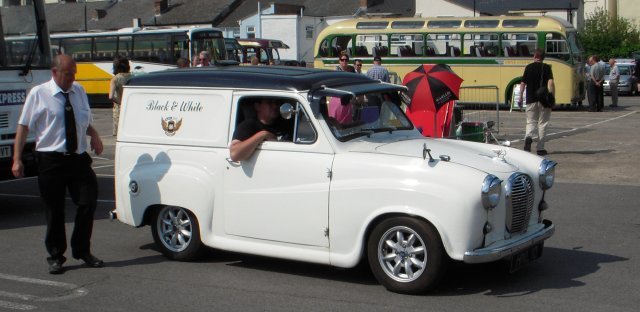
the coverage below. Leading the 2012 parade however
was Austin A35 Inspector's Van HNL 10 from Ian Lloyd Owen's preserved
Black & White fleet, which had also been on show in Gloucester Park for
a summer event in the Noughties. |
|
| |
|
|
|
|
 |
|
|
|
|
|
|
|
A509 HVT |
LEYLAND TIGER PLAXTON PARAMOUNT
3500 |
1984 |
|
|
|
|
|
|
|
 |
|
|
|
|
|
|
|
Forming up behind HNL 10 was another commercial
vehicle preserved by Ian Lloyd Owen, new to Midland Red North at
Shrewsbury and at one time carrying Hotspur livery. The high floor
coach was recently purchased from Caradon Coaches of Liskeard and has
been quickly repainted into the National Express livery of the Rapide
coaches operated by Black & White until their demise in 1985. In
fact I may have taken my first National Express journey from Gloucester
to London Victoria in 1985 on this coach - or if not one very similar! |
|
|
|
|
|
|
|
KAD 359V |
LEYLAND LEOPARD PLAXTON SUPREME |
1980 |
|
|
|
|
|
|
|
 |
|
|
|
|
|
|
|
This Ian Lloyd Owen PSV was new to Cheltenham
and operated service 741 to Helston, the last interchange out of
Cheltenham in January 1981. After returning to the lessor it
worked for a number of operators until acquisition from Unity Coaches,
Retford, restoration to its final National Express livery version and
recertification as a Public Service Vehicle. In 2011 KAD 359V
attended a wet St Margaret's with the destination blind of the premier
777 Paris service. |
|
|
|
|
|
|
|
 |
|
|
|
|
|
|
|
B472 ENT |
LEYLAND TIGER DUPLE DOMINANT |
1984 |
|
|
|
|
|
|
|
 |
|
|
|
|
|
|
|
B472 ENT was a TRCTL11/3R Leyland Tiger new in 1984
to Trefaldwyn of Montgomery and apparently used to work the Thomas
Bros journeys on service 103 Llandeilo-Swansea, departing Swansea 0940,
1440 and 1940, possibly subsidised as D Coaches otherwise had a monopoly on the busy service otherwise.
The Duple Dominant bus bodied PSV was also apparently
operated by Bennett's of Gloucester later in its career but is now part
of the Village Green fleet, based in Shobdon, Herefordshire, and owned
by the next generation of the family that owned Trefaldwyn Motors.
Hopefully B472 ENT will be roaming the roads for
many years yet, but if the Tiger does ever give up its registration, the
licence plate would make a great gift for an ear, nose and throat
surgeon - possibly from a dermatologist with a dog called Spot and a
white cat named Pus... |
|
|
|
|
|
|
|
EMW 284 |
BRISTOL L6B BEADLE |
1949 |
|
|
|
|
|
|
|
 |
|
|
|
|
|
|
|
New to Wilts & Dorset with a Portsmouth Aviation body
as fleet number 279, this type of vehicle would have been regularly used
on the Forces leave services along with Silver Star coaches and as such
would have been seen in Cheltenham. Rebuilt with the current
Beadle body in 1957, chassis number 65.089 was sold to Andover Round
Table in 1962 and converted to wheelchair use. Re-registered as
YSV 610 in 1986, the Bristol half cab single decker reverted to its
original EMW 284 identity in 1991 under the ownership of Lionel Tancock
of Paulton, Bristol. |
|
|
|
|
|
|
|
 |
|
|
|
|
|
|
|
J858 FTC |
MERCEDES BENZ 709D
REEVE BURGESS BEAVER |
1991 |
|
|
|
|
|
|
|
 |
|
|
|
|
|
|
|
This Mercedes Benz 709D
with a Reeve
Burgess Beaver B23F body was delivered new to Badgerline at Weston Super
Mare before joining City Line in January 1996. After passenger
service J858FTC was owned by VOSA to train vehicle examiners and since
2010 has been owned by the Bristol Vintage Bus Group. The livery -
including web address www.bvbg.org.uk
- is the group's impression of what Bristol Omnibus markings would have
looked like had it survived to meet this class of bus. |
|
|
|
|
|
|
|
 |
|
|
|
|
|
|
|
NUD 105L |
BRISTOL VRT ECW SEMI COACH |
1972 |
|
|
|
|
|
|
|
 |
|
|
|
|
|
|
|
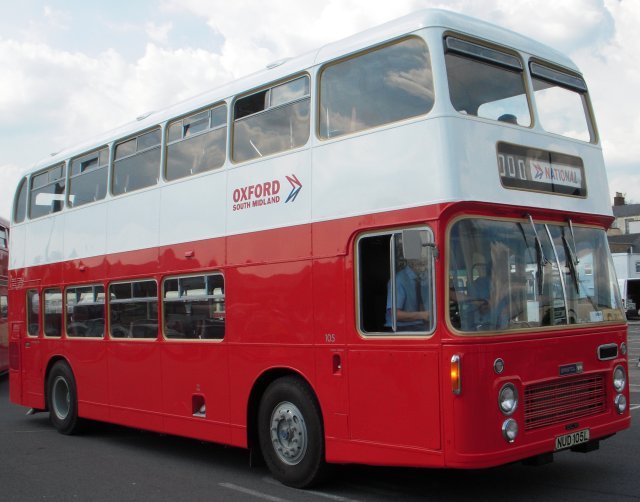
New to Oxford South Midland for use on the
London coach service with full coach seating, NUD 105L was also built to
the ultra low height of 13' 5". As such it was one of only nine
examples built. It passed to South Midland on Privatization and
then to Straffords of Wrexham before preservation in 1997. Dave
Clements of Oxford has since overseen the double decker's immaculate
restoration to NBC Oxford South Midland livery, which makes an
interesting counterpoint to the other liveries featured in
Bristol VR -
The Big Firm Bus on this website. |
|
|
|
|
|
|
|
 |
|
|
|
|
|
|
|
NML 657E |
AEC ROUTEMASTER |
1967 |
|
|
|
|
|
|
|
 |
|
|
|
|
|
|
|
Of thousands of AEC Routemasters built for London
Transport , NML 657E was one of the last left in the Capital and was re-engined
with a Scania prime mover. It is now part of the Stagecoach West
heritage fleet and is available for hire. A closer look at the AEC
Routemaster in model form can be found on
The Road to
Feltham on this website, |
|
|
|
|
|
|
|
SDD 146R |
LEYLAND LEOPARD PLAXTON SUPREME
|
1977 |
|
|
|
|
|
|
|
 |
|
|
|
|
|
|
|
The last of Ian Lloyd Owen's Black & White big cats
to leave Cheltenham on Sunday 27 May 2012, SDD 146R carried an earlier
C53F version of the Plaxton Supreme body fitted to KAD 359V discussed
above and was part of a batch of 16 leased from Kirby Bus and Coach to
National Travel (South West) and allocated to Cheltenham.
Operating both National Express and National
Holiday duties, it also formed the 777 service to Paris before returning
off lease in 1981. SDD 146R then spent ten years with Thirlwell of
Gateshead before moving to Tower Coaches of Wigton, Cumbria and being
preserved in 2005. Originally restored to National Express livery,
it is now in a variant of Black and White paintwork and is a fully
licensed PSV.
Black & White became variously National Travel
West and South West before the short-lived rebirth of its name. Shortly
after, it fell under Cheltenham & Gloucester control, just at the time
C&G embarked upon its Cotswold coaching brand. Black & White nearly put
paid to Cotswold but both eventually succumbed to the collapse in local
coaching, as successor Stagecoach concentrated on local bus services
from the early 1990s. |
|
|
|
|
|
|
|
 |
|
|
|
|
|
|
|
KLJ 749 |
BRISTOL LL6G PORTSMOUTH AVIATION |
1950 |
|
|
|
|
|
|
|
 |
|
|
|
|
|
|
|
KLJ 749 is the only survivor of a pair of very rare
coaches delivered new to Hants and Dorset in the firm's mainly cream
coach livery but repainted a s a bus as early as 1954. Withdrawn
in 1965, it was then used by Atomic Power Construction during
construction of Dungeness Power Station before being sold to a fruit
farmer in Kent. Preserved since 1983, it was recently repainted
following its acquisition by the
Bristol Vintage Bus Group
collection in 2008. |
|
|
|
|
|
|
|
 |
|
|
|
|
|
|
|
RPC 59X |
LEYLAND LEOPARD PLAXTON SUPREME
IV |
1982 |
|
|
|
|
|
|
|
 |
|
|
|
|
|
|
|
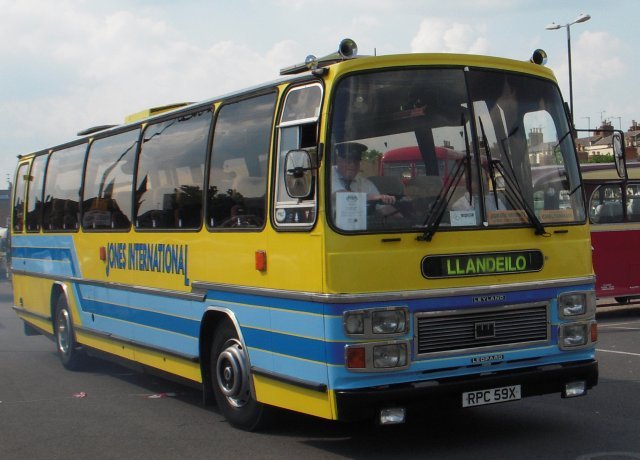
This Leyland pussycat went new to Bicknells of
Godalming, Surrey, as one of the last Leopards built and later served
with Lewis of Whitland, West Wales before being purchased for
preservation by Myrddin Jones in 2009. Remaining in full PCV, it
is not unusual to see RPC 59X at rallies in its Jones International
markings. |
|
|
|
|
|
|
|
AFM 106G |
BRISTOL RELH ECW COACH |
1969 |
|
|
|
|
|
|
|
 |
|
|
|
|
|
|
|
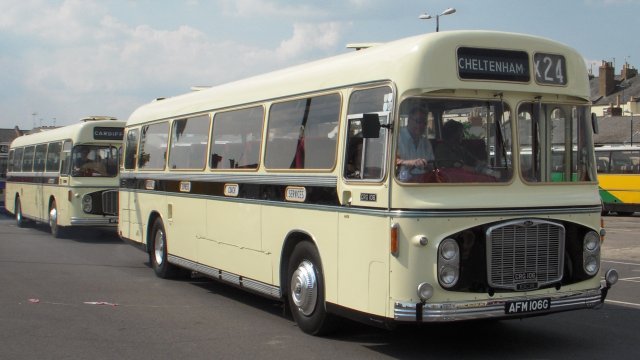
While many historic vehicles are preserved singly,
AFM 103G and its sister AFM 106G (pictured above) made a very
interesting pair and a third member of their batch - AFM 111G - also
still exists. AFM 103G became Crosville
fleet number CRG 103 ( Handbook number 4004 ) on 6 February 1969,
Eastern Coachways body 17479 being fitted with 47 coach seats, a
bus-style destination panel, a bus-type folding door and a Webasto
heating system. Beneath this, chassis RELH-4-196 was fitted with
air suspension, semi-automatic gearbox and a Gardner 6HLX engine.
Although the National Bus Company had been formed
in January 1969, AFM102G-AFM111G were still painted in traditional ivory
and black Crosville coaching colours with AFM 103G known to have worked
the X2 London to Liverpool service in June 1970. Similarly, with
the exception of AFM 111G being used for private hire and day trips from
Chester, most of the 1969 vintage Crosville RELH fleet was used on
scheduled Capital services from Liverpool and Rock Ferry ( Birkenhead )
Garages. Indeed, AFM 106G still has the original fluorescent lit
panels bearing the words "London Liverpool Motorway Express" along the
sides.
AFM 103G meanwhile was withdrawn from Crewe in
1981 and used by two schools before preservation and restoration in
2006. First appearing in Bristol Greyhound livery, it is owned by
Carl Berry of Wotton Under Edge. |
|
|
|
|
|
|
|
 |
|
|
|
|
|
|
|
WHW 362H |
BRISTOL RELH ECW
DUAL PURPOSE |
1970 |
|
|
|
|
|
|
|
 |
|
|
|
|
|
|
|
New to Bristol Omnibus Company for long distance
routes, including those through Cheltenham, WHW 362H was originally sold
to a group of staff for preservation, but was then resold to Pennine
Blue for continued PCV use around Manchester after Deregulation.
Continuous preservation began when it was acquired by Mike Ede as the
first vehicle of the Stroud RE Group and WHW 362H was initially painted
in the green and cream dual purpose Tilling livery. Its 2012 look
however is the NBC Blue and White markings used only by Gloucester, East
Yorkshire and Jones of Aberbeeg. |
|
|
|
|
|
|
|
 |
|
|
|
|
|
|
|
YBD 201 |
BRISTOL MW5G ECW COACH |
1961 |
|
|
|
|
|
|
|
 |
|
|
|
|
|
|
|
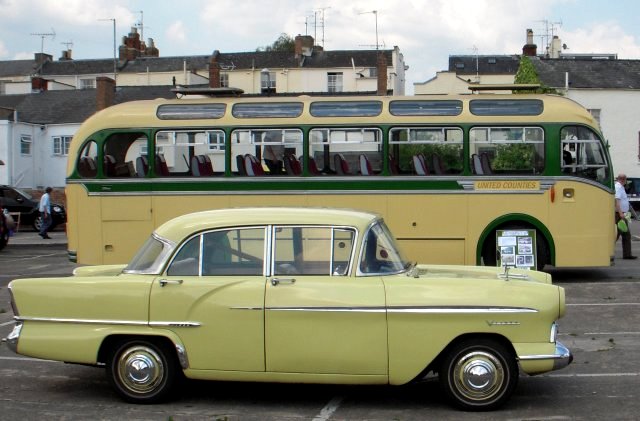
New to United Counties Omnibus Company at Northampton
Depot in 1961, YBD 201 was transferred to Eastern National in
Chelmsford, Essex, three years later where it would serve for a further
seven years with the fleet numbers 051 and 348 rather than the original
201. A period of work with contractors from 1976 then
followed before entering preservation in 2007, although later that year
it was sold for conversion to a camper van for touring Portugal.
In November 2009 however it was purchased by Dave Fricker of North
Somerset Coaches of Nailsea along with the original seats and internal
fittings. Restoration was completed under the ownership of Gerry
Serpell-Morris of Luton from August 2011.
Earlier on the day of the St Margaret's Rally I was able to use YBD 201
as a backdrop for Rob Ridgway's harvest yellow Vauxhall Victor F-Type,
in production from 1957 to 1961 and thus re-creating a typical scene of
traffic in the early 1960s. LJD 352 is a rare survivor of the
Detroit-styled General Motors product which replaced the more staid
Vauxhall Wyvern.
The
Series 1 F-Type Victor - as owned by Rob - was launched in
February 1957 at the Gaumont State Theatre in Kilburn when a
pair of Victors appeared on stage, joined by glamour model
Sabrina, Arthur Askey, Ralph Reeder and the Band of the
Grenadier Guards.
At
first there was only a saloon available, in Standard or
Super forms, with the 1507cc four-cylinder powerplant that
would be the sole engine option throughout the model’s life.
From the outside though, the Series 1 F-Type was immediately
identifiable courtesy of the
double-ribbed bonnet,
chrome trim along the bottom of
the dash and the flat, painted rings around the headlamps.
By March 1958 an estate
offered - and built for just 11 months with few current
survivors - along with Vauxhall's unreliable Newtondrive
automatic transmission while the series 2 F-Type was
introduced in February 1959. This development featured
a full-width grille and less glitzy bumpers with the range
being topped by the De Luxe, equipped with contoured leather
seats in the front and full carpets instead of rubber mats
although heaters and screen washers were not yet standard
equipment.
A further mild refresh in
August 1960 brought revised badging, bright cappings to the
headlamp cowls (except on the Standard edition) and side
flutes that ran the full length of the car. There was also a
deeper rear window and vertical flutes on the boot lid – but
there were no significant mechanical changes in the 390,747
F-Types constructed.
|
|
|
|
|
|
|
|
 |
|
|
|
|
|
|
|
RMS 714 |
LEYLAND TIGER CUB ALEXANDER |
1955 |
|
|
|
|
|
|
|
 |
|
|
|
|
|
|
|
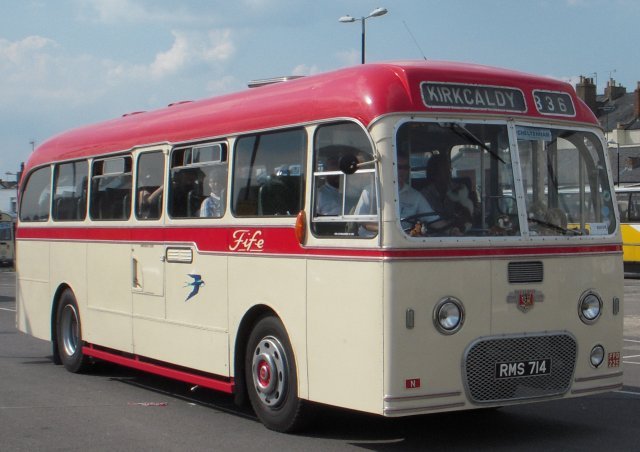
RMS 714 was one of the last vehicles outshopped from
coachbuilders Alexander before the introduction of the Y type body and
also one of the last coaches to be delivered to W. Alexander & Sons in
1961 in blue markings before the Scottish operator split into three
smaller organisations. The PSV then passed to Fife and was quickly
repainted into the firm's cream and red coach livery, spending all of
its working life based at Newburgh Depot near Perth.
Latterly converted to one man operation and
repainted in bus colours, RMS 714 was withdrawn in 1977 but saved from
scrapping by conversion to a stock car transporter. This involved
the removal of all seats and the fitment of a roller shutter to the rear
end, but engine failure after years of touring the UK forced the vehicle
off the road in 1998.
After restoration by the Scottish Bus Museum in
Lathalmond, October 2011 saw RMS 714 acquired by North Somerset Coaches
and driven to its new home in Nailsea over two days at 45 mph. Now
fully PCV tested and tachograph fitted, it sees regular local bus
service and private hire work. North Somerset Coaches also
sponsored the attendance plaques at the 2012 St Margaret's Rally. |
|
|
|
|
|
|
|
LTA 729 |
BRISTOL LL6B DUPLE C37F |
1951 |
|
|
|
|
|
|
|
 |
|
|
|
|
|
|
|
LTA 729 became 1250 in the Exeter based Western
National fleet in March 1951, serving until January 1964. The
Bristol LL6B chassis numbered 81.038 and carrying 37 seat Duple coach
body 54587 then spent 1964 -1967 with Sherrin of Carhampton before being
preserved by the West of England Transport Collection at Winkleigh in
1968 before transferring to the ownership of Colin Billington of Fifield
in May 1972. |
|
|
|
|
|
|
|
TFM 267K |
BRISTOL REL6H ECW COACH |
1972 |
|
|
|
|
|
|
|
 |
|
|
|
|
|
|
|
Although new as fleet ERL 267 in 1972, TFM 267K
carried the NBC dual purpose livery of cream and white on the final
style of ECW coach shell body and worked from most Crosville depots
until withdrawn in 1985. Converted for use as a mobile classroom
in Scotland, TFM 267K was purchased by Bryan Sharpe of Derbyshire in
2002 and restored to its original condition in 2006. The Lowestoft built
body was designed to be fitted to the rear-engined RE chassis and so had
structural problems when applied to mid-engined types such as the
Leyland Leopard. |
|
|
|
|
|
|
|
AFJ 727T |
BRISTOL LH PLAXTON SUPREME |
1979 |
|
|
|
|
|
|
|
 |
|
|
|
|
|
|
|
AFJ 727T was one of the 7' 6" wide 41 seat
front entrance Plaxton Supreme bodied Bristol LH6Ls bought by Western
National in 1979 for use on the narrow country lanes of the West
Country. Although relatively few Bristol LH chassis were fitted
with coach bodies, Western National was a big customer for these
vehicles for both its Western and Southern National fleets and even some
Marshall bodied coaches received Royal Blue livery. A familiar
sight in the Minehead area, AFJ 727T was last used as a driver training
vehicle by First Southern National in 2002 prior to preservation by the
West Country
Historic Omnibus Transport Trust, returning to the road
in its current guise in 2009. |
|
|
|
|
|
|
|
F3 BBC |
VOLVO B10M VAN HOOL ALIZEE |
1989 |
|
|
|
|
|
|
|
 |
|
|
|
|
|
|
|
F3 BBC with its 50 seat front entrance coach body was
new to Tellings-Golden Miller and has since worn the blue and grey
markings of Coachways Executive Travel before appearing in the brown and
cream of Ingles Coaches.
The Volvo B10M was one of the most popular bus and
coach chassis sold in Britain during its production run from 1978 to
2001, succeeding the Volvo B58 and being powered by a mid engined
horizontal underfloor 9.6 litre diesel engine. Hundreds of
examples are still in use each day.
The Belgian built Van Hool Alizee coach body
series dates back to 1978 and has been fitted to a wide range of
Leyland, Volvo and DAF chassis. The Alizee was replaced by the new T9
series in the late 1990s. |
|
|
|
|
|
|
|
RIB 8289 |
DUPLE 425 INTEGRAL |
1990 |
|
|
|
|
|
|
|
 |
|
|
|
|
|
|
|
This rare example of the futuristic Duple 425
Integral was delivered new to Robin Hood Coaches of Leek, Staffordshire,
to work on shuttle services to Spain for which its 10 litre Cummins
engine was ideal. Although later downgraded to local work, RIB
8289 is in wholly original condition and livery and never left Robin
Hood Coaches until acquired for preservation by R. Feltham of Caerau. |
|
|
|
|
|
|
|
JMW 168P |
BRISTOL RESL ECW DP43F |
1976 |
|
|
|
|
|
|
|
 |
|
|
|
|
|
|
|
New in 1976 as one of five similar vehicles delivered
to Thamesdown Transport (Swindon Corporation) with dual purpose seating,
JMW 168P was used for National Express duplicates when required until
acquisition by Busways Travel Services of Newcastle in 1987. After
20 years of travel on Tyneside however, the PSV was preserved by the
Swindon Vintage Omnibus Society in 2007. |
|
|
|
|
|
|
|
HNE 641N |
LEYLAND LEOPARD ECW COACH
BODY |
1975 |
|
|
|
|
|
|
|
 |
|
|
|
|
|
|
|
HNE 641N
was new to Greater Manchester Transport
on 4 April 1975, being the sole survivor
of only 22 buses built with this type of ECW body on Leyland
Leopard chassis. They
were originally ordered by North Western Road Car on Bristol RELH
chassis but were changed to Leyland Leopards by GMT following their
takeover of North Western.
Due
to the body being designed for fitting to a rear engine chassis, the rear
ends were prone to sagging due to the lack of support from the Leopard
chassis which stopped just after the rear axle. Many were rebodied by
Duple for further use in the Charterplan coaching fleet
although some had rear end chassis extensions fitted by GMT to support
the boot and soldiered on in the bus fleet.
They were delivered between 1973 and 1976
with HNE 641N
temporarily allocated to the Selnec Travel fleet for a few
months before being transferred to Oldham depot where it stayed until
deregulation in October 1986. It
was then transferred to Bury depot for use on the Summerseat service
until withdrawal on 26 June 1988.
Following withdrawal, HNE 641N was used by Broughton House Home for Disabled
ex Servicemen as resident's transport and a wheelchair lift was fitted
to the centre nearside of the body.
When
no longer required by Broughton House it went to Hardwicks at Barnsley
for scrap but was rescued by Richard Sinclair who
then proceeded to restore the bus back into its original GMT condition
between 1998 and 2002.
In 2011 the orange and white big cat
was sold to its current owner Mark Amis for preservation in the
Manchester area and is now displayed as part of the North West Vehicle
Restoration Trust. Mark has fond memories of riding on these vehicles (
and perhaps even this very one ) every week while at school in Oldham
and even drove up from his new home in Bristol to show HNE 641N off at
Cheltenham. Indeed, the PSV was photographed in service as far
south as Plymouth, and so could have formed duplicate services passing
through Cheltenham St Margaret's Coach Station on hire to Yelloways.
|
|
|
|
|
|
|
|
JHA 227L |
LEYLAND LEOPARD MARSHALL |
1973 |
|
|
|
|
|
|
|
 |
|
|
|
|
|
|
|
JHA 227L with its dual purpose 49 seat front entrance
body by Marshalls of Cambridge was delivered new to the Birmingham and
Midland Motor Omnibus Company (BMMO) of Smethwick in 1973 as type code
S27 in what was then known as the Midland Red fleet. The
organisation was renamed the Midland Red Omnibus Company (MROC) on 29
March 1974 and this type of PSV was reclassified as SDP27 in 1980.
JHA 227L was then operated by John Sergeant of
Telford from September 1981 to April 1987 before passing into
preservation. It is currently painted in NBC dual purpose livery. |
|
|
|
|
|
|
|
1294 RE |
GUY ARAB LUF
BURLINGHAM SEAGULL |
1958 |
|
|
|
|
|
|
|
 |
|
|
|
|
|
|
|
Delivered new to Harper Brothers - a famous
independent operator based at Heath Hayes, Staffordshire - 1294 RE
operated local bus services, excursions and private hire work as one of
four underfloor engined Guy Arabs, two with Burlingham Seagull bodies
and two bodied by Willowbrook. Amazingly, all four of this quartet
survive - although 1294 RE is the only member fully operational, having
been transferred into Midland Red ownership after the takeover of Harper
Brothers in 1974 and passing straight into preservation at the BMMO
Museum in Wythenhall. |
|
|
|
|
|
|
|
OTT 98 |
BRISTOL LS6G ECW COACH
BODY |
1953 |
|
|
|
|
|
|
|
 |
|
|
|
|
|
|
|
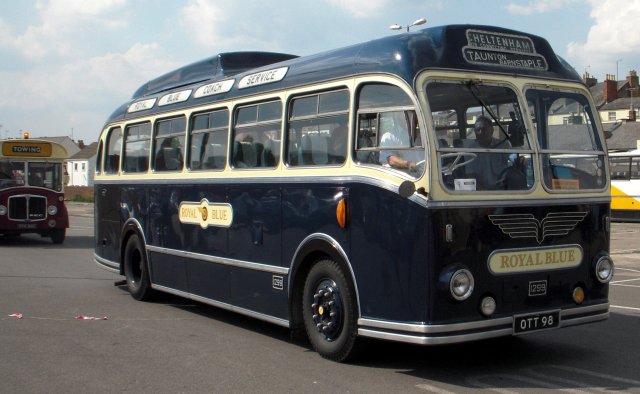
Delivered new to the famous Royal Blue Coaches at
Bournemouth depot in September 1953, OTT 98 operated on both Royal Blue
and Associated Motorways services and would have been a regular visitor
to Cheltenham. Entering preservation in 1972, it was then
extensively rallied by the Dorset Transport Circle and after some years
in store passed to the West Country Historic Transport Trust in 2007.
In 2009 it took part in the National Centenary Road Run from Penzance to
Aberdeen. Along with its cast fleet number
plate of 1299 and Royal Blue name totems, OTT 98 is also easily
recognised by its roof mounted luggage box and associated rear integral
ladder, causing the rear windscreen to be split into two sections.
As such it makes an interesting comparison with my own model of OTT 89
as displayed at the
Cheltenham GWR Modellers Exhibition in
October 2006. |
|
|
|
|
|
|
|
 |
|
|
|
|
|
|
|
 |
|
|
|
|
|
|
|
PFN 865 |
AEC REGENT PARK ROYAL TOWING
BODY |
1959 |
|
|
|
|
|
|
|
 |
|
|
|
|
|
|
|
Built as a new bus with with a full front Park Royal
double deck body for East Kent Road Car, PFN 865 was converted to a
towing bus with a shortened single deck body in 1979. It has since
been restored to its original East Kent Road Car maroon and cream and
was presented at Cheltenham by Robert Leighfield of Bristol. PFN
865 also reminds us of the era when such passenger to towing vehicle
conversions were common whereas nowadays custom built heavy tow trucks
are hired in by bus and coach companies for recovery operations.
This move has mainly been prompted by changes in both insurance cover
and driver licensing that makes HGV qualification mandatory for
such vehicles. |
|
|
|
|
|
|
|
HWO 323 |
LEYLAND PS1 TIGER
LYDNEY COACH WORKS |
1950 |
|
|
|
|
|
|
|
 |
|
|
|
|
|
|
|
One of fifteen Tigers delivered to Red & White Motor
Services and allocated for most of its life to Brynmawr Depot, HWO 323
was sold in 1965 to the Leonard Cheshire Home at Rhyadar as a transport
for wheelchair users and fitted with a suitable lift. It entered
preservation in 1972, has been fully restored to original condition - in
which it would have regularly visited Cheltenham - and is now owned by
Cardiff Transport Preservation Group. HWO
323 also has a rare surviving roadworthy example of a Lydney Coach Works
body. Based on Lydney Industrial Estate for only about five years
until 1950, Lydney Coach Works - like Eastern Coach Works in Lowestoft -
took in powered rolling chassis and turned out finished coaches and
buses.
The white van in the background is being driven by
Chris Morgan of
Cheltenham Model Centre. |
|
|
|
|
|
|
|
FEL 751D |
BRISTOL MW6G ECW COACH
BODY |
1966 |
|
|
|
|
|
|
|
 |
|
|
|
|
|
|
|
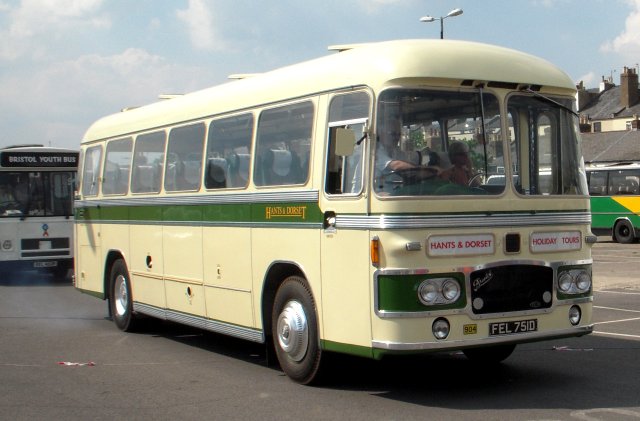
FEL 751D - comprising Bristol MW6G chassis 225.143
carrying 39 seat front-entrance ECW coach body 15740 - joined
Bournemouth based Hants & Dorset as its fleet number 904 in April 1966.
White perspex indicator panels with red lettering were soon added to the
front although the PSV was re-allocated to Southampton in February 1969
and the fleet number changed to 1016 in September 1971.
FEL 751D was repainted in NBC red & white dual
purpose livery in 1974 but passed to Glover of Ashbourne in 1978 before
preservation at the Nottingham Transport Heritage Centre at Ruddington
in April 1999. Since June 2005, FEL 751D has been owned by Dennis
Chick & Royston Morgan of Solihull. |
|
|
|
|
|
|
|
REL 402R |
LEYLAND LEOPARD
WILLOWBROOK SPACECAR |
1976 |
|
|
|
|
|
|
|
 |
|
|
|
|
|
|
|
Bristol Youth Bus REL 402R was a Leyland Leopard PSU3D/4R that was new to
National Travel South West with a Willowbrook Spacecar coach body, which
while stylish was far from durable and like most of its fellows didn't
last long in original condition, if at all. More information on
the practical work of the
Avon Youth
Association can be found on its own website. |
|
|
|
|
|
|
|
YHT 802J |
BRISTOL RESL ECW |
1971 |
|
|
|
|
|
|
|
 |
|
|
|
|
|
|
|
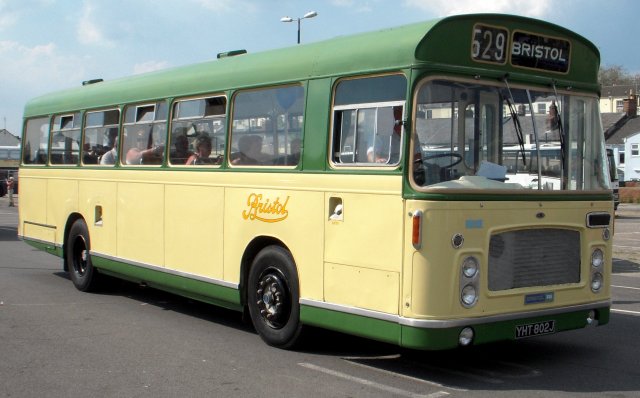
YHT 802J was one of the less popular shorter RESL
variants of the Bristol RE, of which Bristol Omnibus itself only had 30
examples. On withdrawal it was donated to Soundwell Technical
College for vehicle repair training before being bought by Dave Stanton
of Stroud who repainted YHT 802J in Tilling One Man Operation livery.
The rear engined PSV was purchased by Derek Ferris and a group of
friends in 2008. |
|
|
|
|
|
|
|
KUL 343D |
BEDFORD VAS DUPLE |
1966 |
|
|
|
|
|
|
|
 |
|
|
|
|
|
|
|
Delivered new to the Inner London Education Authority
and used as a school bus, KUL 343D was sold at auction in 1976 to a
private owner who used it as a hospitality bus after conversion by
Moodies of Liphook, Hampshire. It was in action at Silverstone and
by Miss UK 1980, after which it was laid up for 20 years but was saved
from scrapping and restored as a mobile home in 2006. Today it is
owned by Mr Krawczyk of Chard in Somerset. |
|
|
|
|
|
|
|
EDV 505D |
BRISTOL MW6G ECW |
1966 |
|
|
|
|
|
|
|
 |
|
|
|
|
|
|
|
Although new in the famous Royal Blue livery as a
touring coach at Plymouth and Callington depots, EDV 505D carried
Western National branding and the fleet number 1423.. Withdrawn in
1978, it passed to a Mr Walford of Bristol for preservation but then
served with Classic Coaches until acquired by Mr R. Johnson of Cardiff
in 2001. |
|
|
|
|
|
|
|
WKG 284 |
AEC RELIANCE
WILLOWBROOK |
1961 |
|
|
|
|
|
|
|
 |
|
|
|
|
|
|
|
New to Western Welsh as a dual purpose coach, WKG 284
was withdrawn in 1972 and passed to Gelligaer Urban District Council and
subsequently Rhymney Valley and Pengam School for further service.
First acquired for preservation in 1980, it was laid up for many years
and became semi derelict by the RE-LIANCE Group of Tredegar and restored
to its original Western Welsh red and ivory markings. |
|
|
|
|
|
|
|
 |
|
|
|
|
|
|
|
GOH 357N |
LEYLAND LEOPARD MARSHALL |
1974 |
|
|
|
|
|
|
|
 |
|
|
|
|
|
|
|
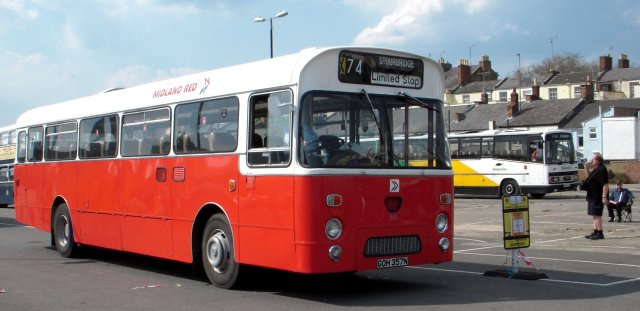
One of fifty Marshall bodied dual purpose Leopards
built to BET specification for Midland Red in NBC days, GOH 357N was new
to Digbeth coach station for express work but later transferred to
Midland Red at Kidderminster when Digbeth became a pure coach station.
GOH 357N was used for many years on the X92 / X93 services from
Birmingham to Hereford and Worcester and was purchased direct from
Midland Red West for preservation by Mr P. Yarsley of Stourport in 1989. |
|
|
|
|
|
|
|
SWO 986 |
BRISTOL MW6G ECW |
1958 |
|
|
|
|
|
|
|
 |
|
|
|
|
|
|
|
SWO 986 was delivered to Red & White Services
Limited, Chepstow, in May 1968 with cream window surrounds on its red
paintwork and the fleet number UC758. The combination of chassis
135.125 and 39 seat front entrance body 9932 was then transferred to
Cheltenham and repainted in cream with a red band in January 1963.
Following spells of delicensing and allocations to
Aberdare and Cardiff, SWO 986 was converted to a dual purpose vehicle
without bus type indicators in May 1969, repainted in cream and red and
given DS758 as a new fleet identity before allocation to Tredegar and
then Newport. SWO 986 then became fleet number UD758 in February
1972 before entering Red & White's Central Repair Workshop at
Chepstow in July 1972 for conversion to Mobile Enquiry Office,
later used by National Travel at the Severn Bridge service area.
Following a repaint in NBC colours in 1973, SWO
986 then variously served with National Welsh Omnibus Company Limited,
Roger Annetts of Parkend in 1978, and the Warrington family in
Wickham and Swanmore before being preserved and restored as DS758 from
2007 |
|
|
|
|
|
|
|
VX09 NBK |
SCANIA N230UD ALEXANDER DENNIS
ENVIRO 400 |
2006 |
|
|
|
|
|
|
|
 |
|
|
|
|
|
|
|
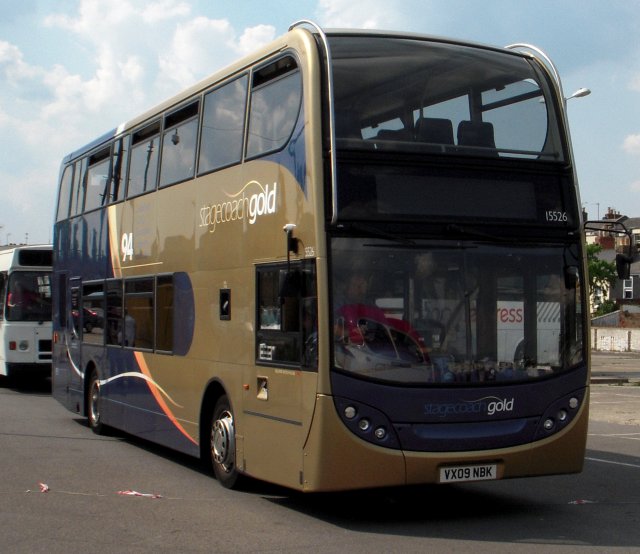
VX09 NBK with the fleet number15526 is one of the
elite Stagecoach Gold
buses operating the 94 service between Gloucester
and Cheltenham via Churchdown and Staverton and the Alexander Dennis Enviro 400 double deck concept
has also caught the attention of
The Mellor Brothers. |
|
|
|
|
|
|
|
E323 PMD |
VOLVO B10M PLAXTON DERWENT |
1987 |
|
|
|
|
|
|
|
 |
|
|
|
|
|
|
|
Cheltenham-based Marchants are normally represented
at local rallies through driver Les Mitchell but on this occasion his
choice of vehicle was rather compromised by virtually all of the fleet
being used to take Cheltenham Town football fans off to their
unsuccessful play-off final against Crewe Alexandra at Wembley.
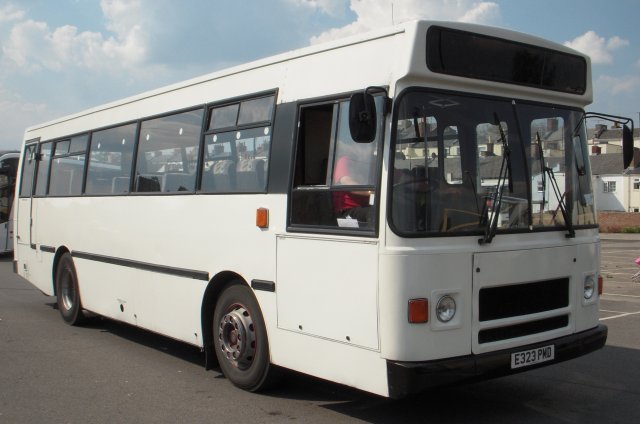
E323 PMD had a Plaxton Derwent body based on a Volvo B10M-46 chassis
similar to that of F3 BBc above. The vehicle was new to Capital of
West Drayton. |
|
|
|
|
|
|
|
FJ60 EFS |
VOLVO CAETANO
LEVANTE |
2010 |
|
|
|
|
|
|
|
 |
|
|
|
|
|
|
|
First registered on 27 October 2010, FJ60 EFS is one
of the Caetano Levante II bodied Volvo B9R coaches in the fleet of
Bennetts Coaches of Eastern Avenue, Gloucester, liveried
for National Express services and often seen en route to London Victoria
Coach Station. The Volvo B9R is a
weight-optimised chassis offering high reliability, low fuel consumption
and good environmental properties, intended for tourist and express
operations. The straightforward chassis design offers high capacity,
while the fuel-efficient driveline with Volvo's latest 9-litre engine
and automated I-Shift gear changing system contributes to low operating
costs. |
|
|
|
|
|
|
|
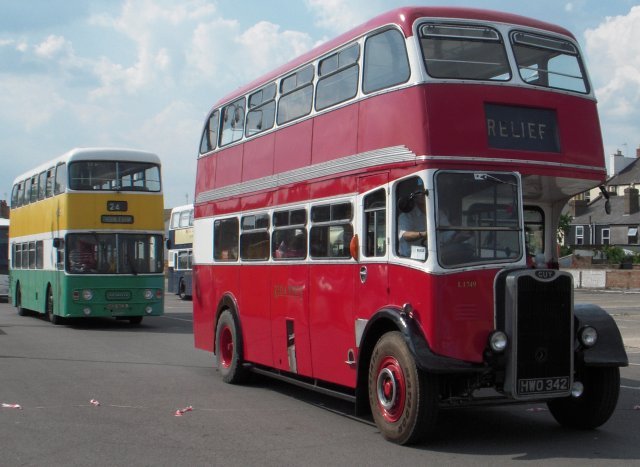
HWO 342 |
GUY ARAB DUPLE |
1949 |
|
|
|
|
|
|
|
 |
|
|
|
|
|
|
|
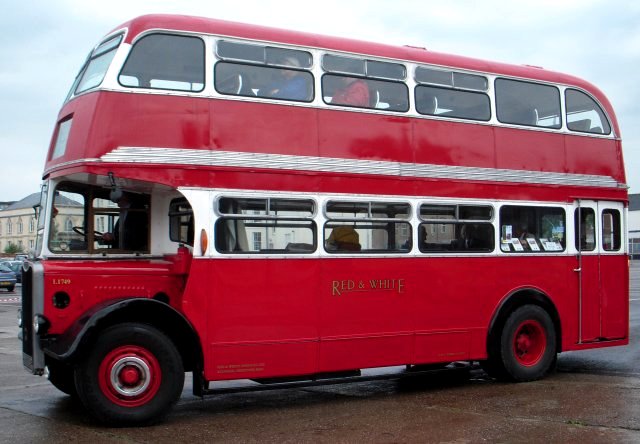
Duple bodied Guy Arab double deckers were only issued
new to Red & White and Barton and HWO 342 is the only survivor of the
Red & White batch. Mostly allocated to Chepstow depot for the long
Gloucester-Cardiff route, it was regularly crewed during 1959 and 1960
by Ken Morgan and his future wife Shirley who rescued and now own the
vehicle. Ken himself went on to drive for Associated Motorway
services, and - after leaving Red & White in 1968 - HWO 342 spent a
further three years working in Scotland before being left to deteriorate
for over 20 years. It was finally restored in 2003. |
|
|
|
|
|
|
|
 |
|
|
|
|
|
|
|
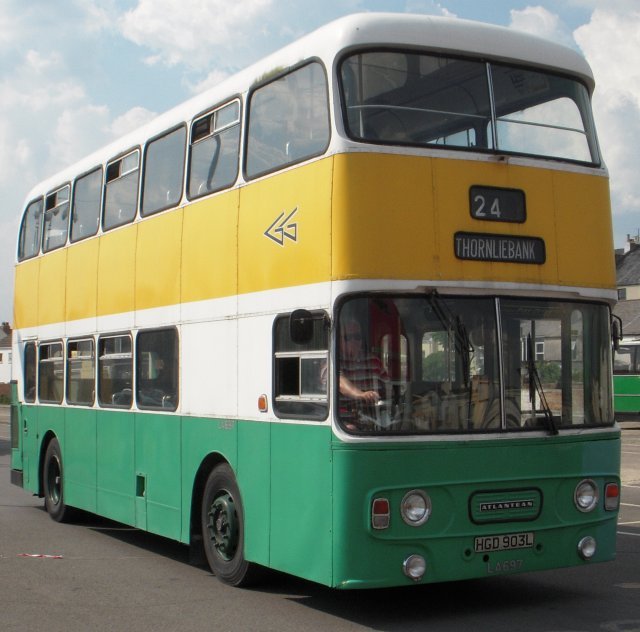
HGD 903L |
LEYLAND ATLANTEAN
ALEXANDER |
1973 |
|
|
|
|
|
|
|
 |
|
|
|
|
|
|
|
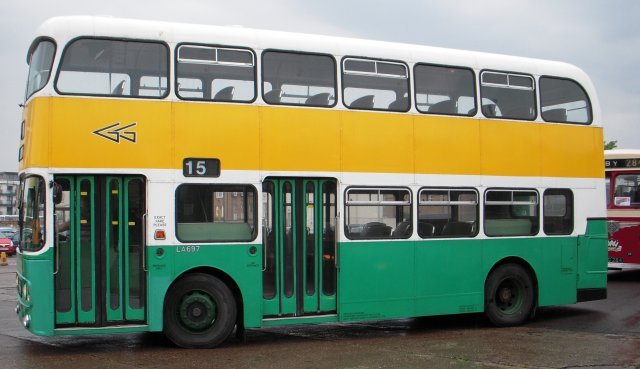
New to Glasgow Corporation in June 1973 with its
Panoramic windows, HGD 903L was one of the first Atlanteans to receive
the new Greater Glasgow Passenger Transport Executive livery of Verona
Green, Goldcup Yellow and Snowdrift White in which it is now preserved.
Withdrawn from passenger service in 1980, it survived as a training
vehicle until 1997 and was preserved by Mr Carroll of Bristol in 1998 as
the last surviving dual door bus from this era. It was also used
in the making of Peter Mullan's award winning film "Neds", looking back
at Glasgow's non-educated delinquents of the 1970s, released in January
2011. |
|
|
|
|
|
|
|
 |
|
|
|
|
|
|
|
307 WHT |
SCANIA L941B IRIZAR
CENTURY |
1998 |
|
|
|
|
|
|
|
 |
|
|
|
|
|
|
|
This 53 seat front entrance air-conditioned coach was
new in June 1998 registered as R463 YDT and joined North Somerset
Coaches in March 2012. |
|
|
|
|
|
|
|
FHW 156D |
BRISTOL MW6G ECW COACH |
1966 |
|
|
|
|
|
|
|
 |
|
|
|
|
|
|
|
A newer version of the Bristol MW based broadly on
the Bristol RE body. When new, a number of these coaches were used
to open the then-also-new Severn Bridge ( now carrying the M48)
and they also took part in a charity bus shuttle across the latest M4
Severn Bridge in 1996. On withdrawal as a Bristol Greyhound asset
in 1973, FHW 156D passed to an operator in Cornwall, then to Kimes of
Sleaford, finally entering service with Scarborough and District until
acquired for preservation in 2009 by Dr Mike Walker as part of the
Bristol Omnibus Vehicle Collection. |
|
|
|
|
|
|
|
 |
|
|
|
|
|
|
|
NAE 3 |
BRISTOL L6B ECW QUEEN MARY |
1950 |
|
|
|
|
|
|
|
 |
|
|
|
|
|
|
|
NAE 3 was one of the first batch of postwar coaches
for Bristol Tramways and was regularly seen at Cheltenham on Greyhound
services. Withdrawn in the early 1960s, it npassed to pearce of
Claverham where it remained for many years. After much
deterioration it eventually passed to Tony Brown and then to Dr Mike
Walker of BOVC. It was restored at Lathalmond in time for the
first St Margaret's Coach Station Rally in 2009. |
|
|
|
|
|
|
|
BHU 92C |
BRISTOL MW6G ECW BUS SHELL BODY |
1965 |
|
|
|
|
|
|
|
 |
|
|
|
|
|
|
|
New to Bristol Omnibus Company for Associated
Motorways services to the South Coast, BHU 92C was part of an order
diverted from Eastern National. After many years on Bristol
Greyhound express services, it later became the school bus through Wick
to Marshfield used by Rally Organiser Kelvin Amos and was preserved from
Wells Depot by Ken Horler and then Kelvin's father Ted Amos, who
restored the correct livery as seen today and took BHU 92C to rallies as
far away as Eire. On Ted's death the vehicle was sold by the Amos
family to Dr Mike Walker and became one of the first in the Bristol
Omnibus Vehicle Collection. |
|
|
|
|
|
|
|
 |
|
|
|
|
|
|
|
 |
|
|
|
|
|
|
|
A952 SAE |
LEYLAND OLYMPIAN ROE |
1984 |
|
|
|
|
|
|
|
 |
|
|
|
|
|
|
|
One of the last Olympians built at the famous Bristol
Commercial Vehicle Works at Brislington, A952 SAE is also believed to
have been the last Bristol bus operating in its home city. Used at
St Margaret's as a control vehicle, mobile model coach display and top
deck cinema, A952 SAE appeared painted in Bristol Tramways livery with
lettering to celebrate the centenary of Bristol buses from 1908 -2008
and named after Sir George White, founder of both Bristol Tramways and
the Bristol
Aeroplane Company. |
|
|
|
|
|
|
|
 |
|
|
|
|
|
|
|
DOD 518 |
BRISTOL L5G BEADLE BUS
BODY |
1939 |
|
|
|
|
|
|
|
 |
|
|
|
|
|
|
|
Originally built with a 31 seater Bristol Bus Works
body, DOD 518 entered service with Western National in 1940 in wartime
grey livery. It was repainted green and cream in 1945 and rebodied
by Beadle in 1950. After withdrawal in 1961 it was used a s a mess
room at both Launceston and Padstow but is now owned by Tim Riley of
Gloucester. |
|
|
|
|
|
|
|
 |
|
|
|
|
|
|
|
LDV 483 |
BEDFORD OB DUPLE VISTA C29F |
1950 |
|
|
|
|
|
|
|
 |
|
|
|
|
|
|
|
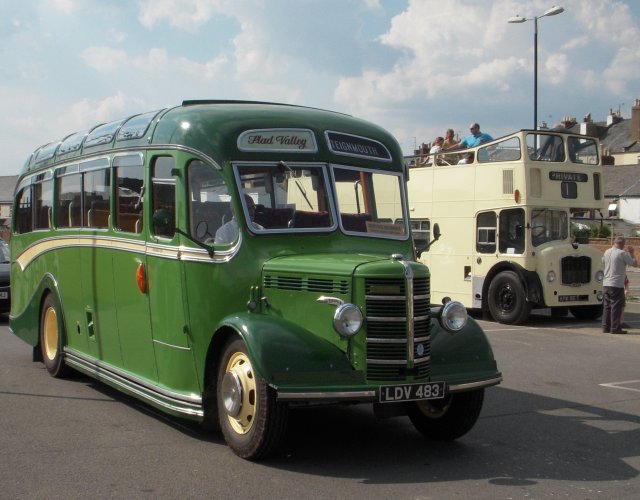
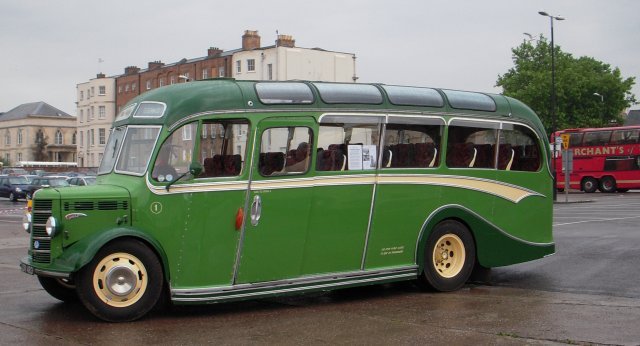
LDV 483F was delivered new to Gourds Coaches of
Bishops Steighton, Devon and used for British and Continental tours
before passing to Parsons Coaches of Holsworth, Devon. Parsons
were later taken over by Jennings of Bude, whose garage housed LDV 483F
for many years before it was preserved by Andrew Higgs and given a body
rebuild and repaint in to Slad Valley Coachway livery. |
|
|
|
|
|
|
|
 |
|
|
|
|
|
|
|
KPM 91E |
BRISTOL FLF |
1967 |
|
|
|
|
|
|
|
 |
|
|
|
|
|
|
|
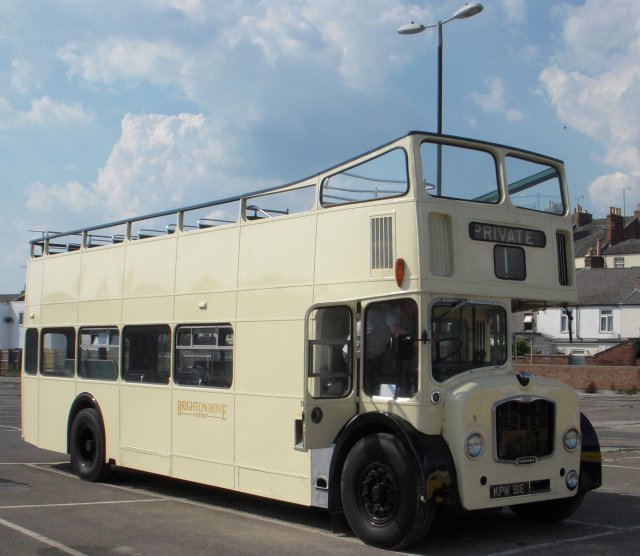
KPM 91E was new to Brighton & Hove District as a
closed top double decker bus with a high ratio axle but was then sent to
Scotland as part of the VRT/FLF exchanges, becoming Eastern Scottish
fleet number AA971. It was based at Broxburn and Edinburgh and was
the last FLF in service when it retired in its original form in 1983.
Soon afterwards converted to an open top bus, it saw little service and
was later sold to Ian Manning and Sholto Thomas of Stagecoach West, who
operate it in service today. |
|
|
|
|
|
|
|
PWS 429S |
LEYLAND LEOPARD
PLAXTON PARAMOUNT |
1978 |
|
|
|
|
|
|
|
 |
|
|
|
|
|
|
|
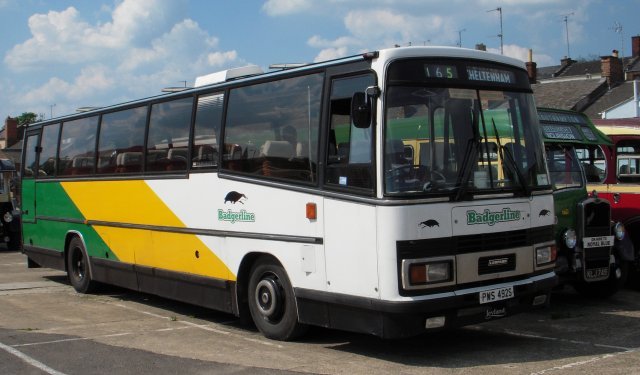
PWS 429S was originally delivered to Bristol Omnibus
Company as a full coach in National Express livery with a Plaxton
Supreme body, which caught fire and was destroyed on the M27 near
Portsmouth in 1982. In 1983 the Leyland Leopard chassis was
rebodied with a Plaxton Paramount similar to those fitted to a batch of
Leyland Tigers being delivered at the time. Remaining in service
through the Badgerline era, PWS 429S then passed to Brewers and Western
National until reaching preservation in 2003 and the ownership of Kelvin
Amos of Nailsea in 2005. |
|
|
|
|
|
|
|
 |
|
|
|
|
|