Home WORLD SHIP SOCIETY GLOUCESTER BRANCH

MEETING REPORTS 2013


  MONDAY 14 JANUARY 2013  


As well as cargo barges and scenes immediately visible from the 2005 vintage vessel, Ted also showed us images of the cathedrals - both UNESCO World Heritage sites  - at Cologne and Speyer and pictures taken on connecting coach excursions to Strasbourg in France and from Basle to Interlaken including the Swiss Eiger mountain and Lucerne's historic covered Kapellbrucke (Chapel Bridge).


  For our January meeting Committee Member Ted Tedaldi gave a powerpoint presentation on the cruise enjoyed by his wife Sandra and himself between Cologne in Germany and Basle, Switzerland, travelling both up and down the Rhine aboard the Serenade 1 which, at 110 metres long and 11.4 metres wide, just fitted the locks at the southern end of Europe's longest river.

As well as cargo barges and scenes immediately visible from the 2005 vintage vessel, Ted also showed us images of the cathedrals - both UNESCO World Heritage sites  - at Cologne and Speyer and pictures taken on connecting coach excursions to Strasbourg in France and from Basle to Interlaken including the Swiss Eiger mountain and Lucerne's historic covered Kapellbrucke (Chapel Bridge).

Thank you to Ted and Sandra for an interesting evening.


For our January meeting Committee Member Ted Tedaldi gave a powerpoint presentation on the cruise enjoyed by his wife Sandra and himself between Cologne in Germany and Basle, Switzerland, travelling both up and down the Rhine aboard the Serenade 1 which, at 110 metres long and 11.4 metres wide, just fitted the locks at the southern end of Europe's longest river.


  MONDAY 11 FEBRUARY 2013  


Hard on the heels of the 50th anniversary of the recording of the first Beatles LP, scenes of Liverpool's Pier Head and the Overhead Railway (closed in 1956) still said "Love Me Do" as did the Manchester Ship Canal, Birkenhead, Wallasey and the Mersey Ferry "Royal Iris", which has also made the journey to London and was seen moored close to the Thames Barrier in 2012, closer to the Abbey Road made famous by the Docklands Light Railway than the one with the zebra crossing outside the EMI studios.  Thanks are also due to John Mayer for projecting the slides and to Roy Cressey at the World Ship Society film library.


  In a change to the advertised programme, our February meeting revolved around the World Ship Society slide show "Maritime Mersey" with two society members very kindly providing the narration.

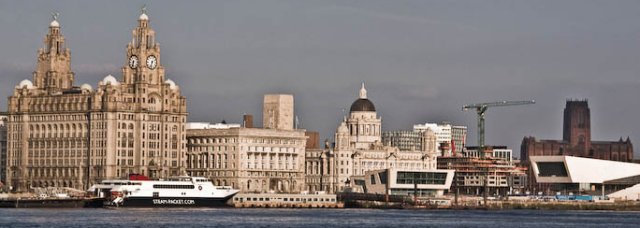
Just before the 50th anniversary of the recording of the first Beatles LP, scenes of Liverpool's Pier Head (pictured above) and the Overhead Railway (closed in 1956) still offered the audience a taste of honey as did the Manchester Ship Canal, Birkenhead, Wallasey and the Mersey Ferry "Royal Iris", which has also made the journey to London and was seen moored close to the Thames Barrier in 2012, closer to the Abbey Road made famous by the Docklands Light Railway than the one with the zebra crossing outside the EMI studios.  Thanks are also due to John Mayer for projecting the slides and to Roy Cressey at the World Ship Society film library.

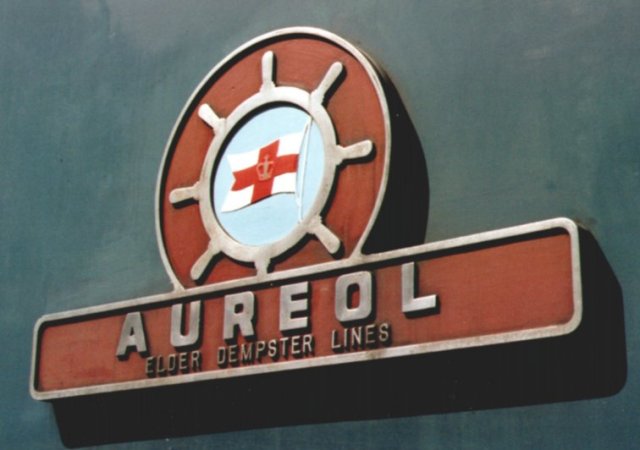
Interestingly, as many of them were used to haul trains between London Euston and Lime Street, 25 of the 200 Class 40 diesel electric locomotives built by English Electric for British Railways from 1958 to 1962 were named after ocean liners based at the Port of Liverpool.  However, as the line was electrified in 1966 and the 2 000 bhp Class 40s found other work the beautifully cast nameplates were gradually removed.

 
First No TOPS No Name Shipping Line Date named
D210 40 010 Empress of Britain Canadian Pacific May 1960
D211 40 011 Mauretania Cunard September 1960
D212 40 012 Aureol Elder Dempster September 1960
D213 40 013 Andania Cunard June 1962
D214 40 014 Antonia Cunard May 1961
D215 40 015 Aquitania Cunard May 1962
D216 40 016 Campania Cunard May 1962
D217 40 017 Carinthia Cunard May 1962
D218 40 018 Carmania Cunard July 1961
D219 40 019 Caronia Cunard June 1962
D220 40 020 Franconia Cunard February 1963
D221 40 021 Ivernia Cunard March 1961
D222 40 022 Laconia Cunard October 1962
D223 40 023 Lancastria Cunard May 1961
D224 40 024 Lucania Cunard August 1962
D225 40 025 Lusitania Cunard March 1962
D226 40 026 Media (name allocated) Cunard Plates never fitted
D227 40 027 Parthia Cunard June 1962
D228 40 028 Samaria Cunard September 1962
D229 40 029 Saxonia Cunard March 1963
D230 40 030 Scythia Cunard April 1961
D231 40 031 Sylvania Cunard May 1962
D232 40 032 Empress of Canada Canadian Pacific March 1961
D233 40 033 Empress of England Canadian Pacific September 1961
D234 40 034 Accra Elder Dempster May 1962
D235 40 035 Apapa Elder Dempster May 1962


Interestingly, as many of them were used to haul trains between London Euston and Lime Street, 25 of the 200 Class 40 diesel electric locomotives built by English Electric for British Railways from 1958 to 1962 were named after ocean liners based at the Port of Liverpool.  However, as the line was electrified in 1966 and the 2 000 bhp Class 40s found other work the beautifully cast nameplates were gradually removed.


  MONDAY 11 MARCH 2013  


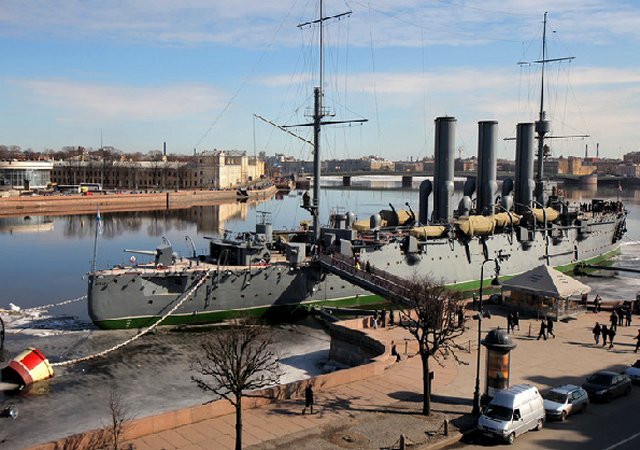
Well known buildings seen included The Hermitage winter palace with its 1 000 rooms and 3 000 000 treasures (or 3 000 per room on average) and The Church of the Spilled Blood, commemorating Tsar Alexander II who was assassinated in 1881 after a life of social reform and who almost steered Russia towards western style constitutional monarchy.  Indeed, had his life not been cut short, a blank shot fired from the pre-Dreadnought era cruiser "Aurora" (built 1900 and pictured above) might not have signalled the start of the successful Bolshevik revolution against Tsar Nicholas II in October 1917.


Our March meeting witnessed the first use of the new Powerpoint projector - kindly purchased by our Branch Chairman and Treasurer - for our Chairman's travelogue style presentation on his Baltic cruise.

First among the interesting sights that Ken encountered was Ann Frank's house in Amsterdam although afterwards the MV "Braemar" experienced a 5 hour delay in entering the Kiel Canal, linking the North Sea with the Baltic and opened by Kaiser Wilhelm II in 1895.  As such, much of the passage was in darkness, although Mr Guest's camera did alight on the famous "Transbordeur" transporter bridge at Rendsburg, Schleswig-Holstein, built in 1913.

The Braemar's first Baltic port of call was Stockholm, capital of Sweden and home to the wooden sailing warship "Wasa", which capsized on her maiden voyage in 1627 but was raised in 1961 and preserved in its own museum, much as happened to Henry VIII's "Mary Rose" two decades later.

Still afloat meanwhile were the lightship "Finngundent" (built in 1903 by Getle Mek verkstad GaVle, Sweden), 1915 vintage steel built steam powered icebreaker "Sankt Erik" (Formerly "Isbbytaren II"  and the aF Chapman, built in 1888 by the Whitehaven Shipbuilding Company and formerly the "G.D. Kennedy" of Dunboyne. This vessel has been a floating youth hostel since 1949.

After one night in port, the Braemar sailed for a two night stay in St Peterburg, formerly Petrograd and Leningrad and affectionately known as the Venice of the North due to its 65 canals.  Built on the mouth of the River Neve, Russia's second city is connected to the Baltic by a ship canal built in the late 19th Century.

Well known buildings seen included The Hermitage winter palace with its 1 000 rooms and 3 000 000 treasures (or 3 000 per room on average) and The Church of the Spilled Blood, commemorating Tsar Alexander II who was assassinated in 1881 after a life of social reform and who almost steered Russia towards western style constitutional monarchy.  Indeed, had his life not been cut short, a blank shot fired from the pre-Dreadnought era cruiser "Aurora" (built 1900 and pictured above) might not have signalled the start of the successful Bolshevik revolution against Tsar Nicholas II in October 1917.

Ken then visited Tallinn, the ancient walled capital of Estonia with Alexander Nevski Cathedral adding to the church spires on the skyline, and was able to photograph its trams, running on a gauge of 3' 6" (1067mm) which is unique in northern Europe.  The initially horse drawn system opened in 1888 with electric pantographs first being raised in 1925.  The separate shipyard route to Kopli was built by a separate company in 1915 with steam tram locomotives hauling goods trains and passengers being carried in two axle chain driven petrol trams.  These were replaced by electric vehicles in 1947 and was connected to the rest of the Tallinn system in 1952.

As of November 2011, Tallinn had four operational tram routes, each with a balloon loop at the end to avoid the current Tatra KT4 and KT6 units having to reverse.  A replica horse tram (Number 10) was built for the 1988 centenary and the other restored tram runs as Number 14 but is in fact classmate Number 47 of 1953.  Later becoming depot shunter T11, this vehicle has been put back in 1925 markings.

In the grounds of the Railway College in Tehnika Street near Tallinn's main station Ken also saw plinthed 750mm gauge 0-8-0 tender engine Kch 100, built by Skoda as their works number 2138 of 1949.

Ken's next port of call was Gdynia in Poland from whence he was able to visit Gdansk (formerly Danzig) one of the oldest and most beautiful Baltic cities and also home to the shipyards where the Polish Solidarity movement was born in 1980.

The Braemar then moored at Warnemunde, Germany, allowing Ken to catch a service train to Rostock and then proceed to Bad Doberan and visit the "Molli" narrow gauge steam railway which runs 15 Km to the popular seaside resort of Kuhlungsborn, some of the route taking the trains through the streets of Bad Doberan itself.  The 900mm gauge of the Molli was mostly used for German industrial railways and could have been chosen as its original operators also built a private line a few miles to the west to serve the local beetroot growing industry. 

The line became part of DB on Reunification but was privatized again in 1995 when freight traffic was supplanted by tourist trains formed from a fleet of 38 carriages, hauled by any one of five steam locomotives of two different classes and wheel arrangements.  Three of the Molli engines were 2-8-2Ts built by Orenstein and Koppel in 1932 while the other two were 0-8-0Ts delivered from VEB Lokomotivbau Karl Marx of Babelsburg in 1950 and 1951.

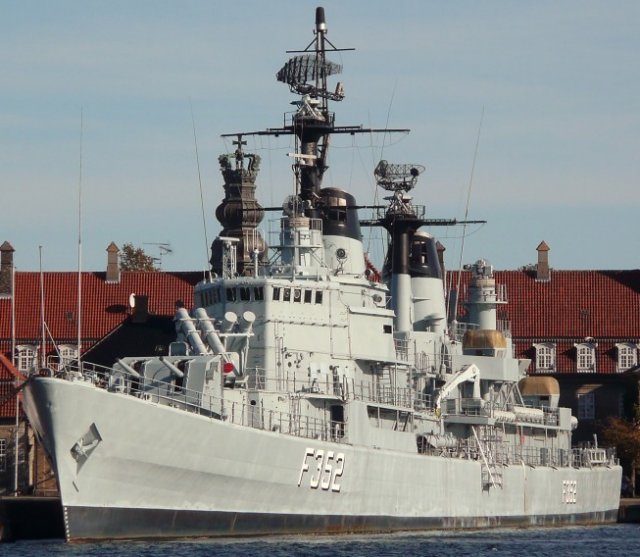
Ken's last port was Copenhagen,  with the Danish capital yielding sights of The Little Mermaid statue and Tivoli Gardens as well as the 1931 vintage diesel powered Royal Yacht "Danneborg" and the Royal Danish Navy Museum Ship "Peder Skram", bearing the pennant number F352 and in service from 1966 to 1990.

Thank you Ken for sharing your interesting cruise with us.


Ken's last port was Copenhagen,  with the Danish capital yielding sights of The Little Mermaid statue and Tivoli Gardens as well as the 1931 vintage diesel powered Royal Yacht "Danneborg" and the Royal Danish Navy Museum Ship "Peder Skram", bearing the pennant number F352 and in service from 1966 to 1990.


MONDAY 8 APRIL 2013


Displacing 69 000 gross tons, the MV Oriana is the sixth largest of seven ships currently in service with P&O Cruises. She officially entered service with the company in April 1995 and was named by Her Majesty Queen Elizabeth II.  Officially the flagship of the P&O Cruises fleet, MV Oriana holds the Golden Cockerel as the fastest ship in the fleet. She is also the longest serving ship in the fleet, as well as being the oldest.


Our April meeting was once again sourced from the World Ship Society Film Library and featured the MV Oriana on a cruise of Spain, Portugal and the Atlantic Isles. 

Displacing 69 000 gross tons, the MV Oriana is the sixth largest of seven ships currently in service with P&O Cruises. She officially entered service with the company in April 1995 and was named by Her Majesty Queen Elizabeth II.  Officially the flagship of the P&O Cruises fleet, MV Oriana holds the Golden Cockerel as the fastest ship in the fleet. She is also the longest serving ship in the fleet, as well as being the oldest. 

Her name is also a tribute to the SS Oriana - pictured below - which served first the Orient Line and then P&O from 1959 to 1986.  After a lengthy campaign, P&O Cruises were permitted to allocate the new Oriana with the call sign 'GVSN', which is the same call sign as the former SS Oriana.

The Branch's Annual Dinner was held at The Wagon and Horses, Hucclecote with a party of 18 attending on Tuesday 7 May.


Her name is also a tribute to the SS Oriana - pictured below - which served first the Orient Line and then P&O from 1959 to 1986.  After a lengthy campaign, P&O Cruises were permitted to allocate the new Oriana with the call sign 'GVSN', which is the same call sign as the former SS Oriana.


MONDAY 13 MAY 2013


  At the Branch AGM all officers were re-elected en-bloc and the Chairman then shared a Powerpoint presentation on Tugs.  


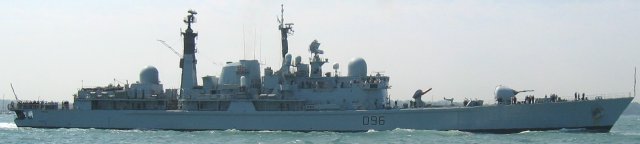
As any schoolboy could tell you, all vessels of the United Kingdom's Royal Navy are given the title Her Majesty's Ship - shortened to HMS, as in HMS Gloucester, above - but as a bonus website feature, here are the initials given to ships of some of the other Navies in the World.


  As any schoolboy could tell you, all vessels of the United Kingdom's Royal Navy are given the title Her Majesty's Ship - shortened to HMS, as in HMS Gloucester, above - but as a bonus website feature, here are the initials given to ships of some of the other Navies in the World.  


NATION

INITIALS

Australia

HMAS

Belgium BNS
Canada HMCS
China PLANS
Denmark HDMS
France FS
Germany FGS
Greece HS
India INS
Indonesia KRI
Ireland LE
Italy ITS
Japan JMSDFS
Malaysia KD
Netherlands HNIMS
New Zealand HMNZS
Norway HNoMS
Oman SOV
Pakistan PNS
Philippines BRP
Poland ORP
Portugal NRP
Russia RS
Singapore RSS
South Africa SAS
Spain SNS
Sweden HSwMS
Taiwan RCS
Thailand HMTS
Turkey TCG
United States of America USS
United States Military Sealift Command USNS


  MONDAY 9 SEPTEMBER 2013  


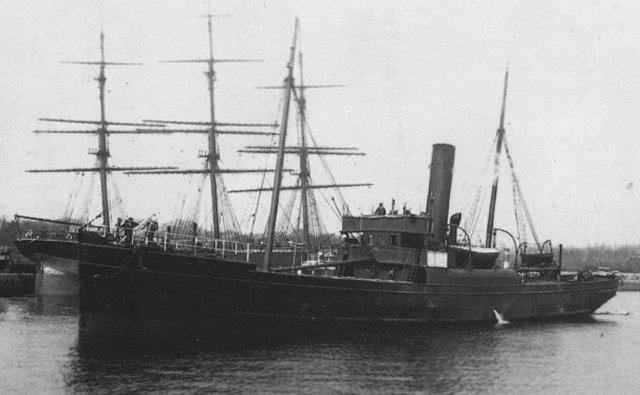
The "Clyde Valley" was temporarily  renamed "Mountjoy II" for its arrival in Larne, seen above later in the 20th Century when the port had been configured for roll on / roll off ferry traffic.  Also explained was the role of the decoy ship SS "Balmarino", which later joined the Cunard merchant fleet: much to the interest of several branch members who were able to contribute additional information.  A big thank you to Malcolm for presenting this topic, thoroughly researched in the face of very limited information.


  The 2013/14 season programme of the Gloucester Branch of the World Ship Society began with a talk by Branch Secretary Malcolm Bell on Gun Running in Larne, Northern Ireland, in 1914. 

This re-traced the route of 25 000 rifles and 216 tons of ammunition destined for the Ulster Volunteer Force from Hamburg, Germany, aboard the Steam Ships "Fanny" and - later - "Clyde Valley", as pictured below. 

The "Clyde Valley" was temporarily  renamed "Mountjoy II" for its arrival in Larne, seen above later in the 20th Century when the port had been configured for roll on / roll off ferry traffic.  Also explained was the role of the decoy ship SS "Balmarino", which later joined the Cunard merchant fleet: much to the interest of several branch members who were able to contribute additional information.  A big thank you to Malcolm for presenting this topic, thoroughly researched in the face of very limited information.


The 2013/14 season programme of the Gloucester Branch of the World Ship Society began with a talk by Branch Secretary Malcolm Bell on Gun Running in Larne, Northern Ireland, in 1914.  This re-traced the route of 25 000 rifles and 216 tons of ammunition destined for the Ulster Volunteer Force from Hamburg, Germany, aboard the Steam Ships "Fanny" and - later - "Clyde Valley", as pictured below.


  MONDAY 7 OCTOBER 2013  


Our October meeting comprised of presentations by members of the Gloucester and District Model Boat Club, each describing their own electrically-powered radio controlled vessel in terms of modelling techniques used and the history of the prototype.


  Our October meeting comprised of presentations by five members of the Gloucester and District Model Boat Club, each describing their own electrically-powered radio controlled vessel in terms of modelling techniques used and the history of the prototype.  For this we must particularly thank Ted Tedaldi, who is both a Committee Member of our branch and a member of the Gloucester and District Model Boat Club.

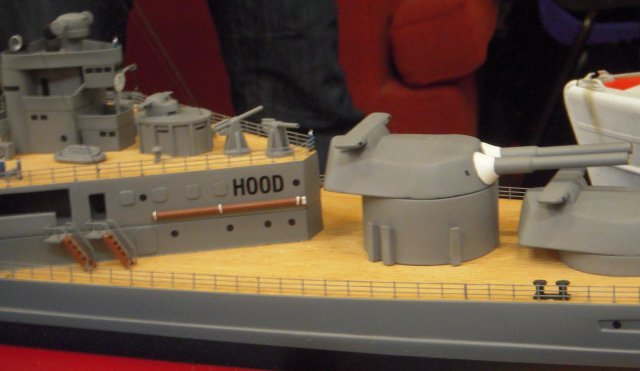
Chronologically, our model voyage through time began with a scratchbuilt 1/196 scale - and over four feet long -  representation of the Battle Cruiser HMS Hood, pictured above in 1924 at the time of her globetrotting "Empire Cruise" which did much to boost the public image of both Britain and the Royal Navy.


The Battle Cruiser concept was devised by Admiral Sir John "Jackie" Fisher, who had begun his modernisation of the Royal Navy with HMS Dreadnought, commissioned in 1906 and demonstrating the viability of a battleship with all large calibre and long range guns, heavy armour and high speed. So impressive was the design that its name become synonymous with all modern battleships.


The Battle Cruiser concept was devised by Admiral Sir John "Jackie" Fisher, who had begun his modernisation of the Royal Navy with HMS Dreadnought, commissioned in 1906 and demonstrating the viability of a battleship with all large calibre and long range guns, heavy armour and high speed. So impressive was the design that its name become synonymous with all modern battleships.

However, although most other countries could not successfully stand "toe-to-toe" with a Dreadnought equipped Royal Navy in direct engagements, Jackie Fisher realised that - in the context of total war - convoys of merchant ships bringing essential supplies to Britain from its Empire would still be vulnerable to commerce raiders.

With submarines still largely unproven and destroyers lacking armour and firepower to match their speed, Fisher conceived of a "Dreadnought armoured cruiser" - or Battle Cruiser -  to protect Britain's Merchant Navy.

These vessels would be similar in size and main armament to the Dreadnoughts, but would be significantly faster due to larger engines, for which armour would be sacrificed to preserve sea worthiness and speed.

Fisher's belief was that "speed [coupled with heavy firepower] was its own best protection.", or put another way that a Battle Cruiser should easily be able to out-run and out-gun any enemy cruiser or smaller vessel. The Battle Cruiser's armour, though thin, should be able to withstand smaller cruiser calibres and speed would be used to evade any attacking dreadnought.  However, Fisher had not thought through the idea of other navies building similar Battle Cruisers - or what would happen if such a heavily gunned but lightly armoured vessel was needed as a ship of the line against a heavily gunned and heavily armoured enemy.

Britain's first Battle Cruiser, HMS Invincible, was commissioned in March 1908 and, like her following sister ships Indomitable and Inflexible, displaced 17 000 tons, was armed with eight 12" guns and could reach speeds in excess of 17 knots.

Germany responded in 1911 with the experimental SMS Von der Tann, displacing between 19 000 and 21 700 tons, capable of 27 knots and featuring both eight 11" guns and armour thick enough to make the ship more survivable under similar calibre return fire.

 By 1912/1913 an improved class of Invincibles, led by HMS Indefatigible and including HMS Australia and HMS New Zealand, had joined the fleet, augmented in 1914 by the new 13.5" gunned Lion, Princess Royal and Queen Mary. By the start of the First World War, these were joined by HMS Tiger. Germany too, continued constructing battle cruisers such as Moltke, Goeben, Hindenburg, Derfflinger and Seydlitz.

Because of the German battle cruisers, as well as other concerns, the Admiralty began to rethink the method of their own ships' deployment. They were soon formed into battle cruiser squadrons under Rear Admiral David Beatty and although retaining their role as scouts for the main battle fleets, they would now be used, according to Commander-in-Chief Admiral Callaghan, "to engage enemy battle cruisers in a fleet action, or, if none are present, by using their speed to cross the bow of the enemy [dreadnoughts] and engage the van of his battle fleet." From this point onward they were unfortunately considered more or less ships of the line.

At Heligoland Bight on 28 August 1914 the battle cruiser squadron under Rear Admiral Beatty soundly defeated a force of German light cruisers and destroyers. The battle cruisers had been used in their original role and successfully, and once again in the Falkland Islands in December 1914 Invincible and Inflexible ambushed a German cruiser force led by Admiral Maximilian Graf Von Spee. They easily destroyed the cruisers Scharnhorst and Gneisenau as well as the life of Spee himself.

However, at Dogger Bank in January 1915: five British battle cruisers engaged a force of German battle cruisers and one armoured cruiser. Although no British ships were lost, some were heavily damaged and due to poor gunnery, poor signalling and improper tactical usage, the British allowed most of the German force to escape. The only loss was the German armoured cruiser Blücher.

Similarly, at Jutland in May 1916 three battle cruisers  - Invincible, Indefatigable and Queen Mary - were lost with only single figure survivors from each ship with over a thousand crew.  Only rapid damage control saved HMS Lion from sinking and although the Germans never sent their navy into battle in the same way again few of their ships were lost

The British battle cruisers were all struck by plunging shells which penetrated their thin deck and turret armour. Furthermore, the unstable nature of British cordite and poor safety and handling methods were also to blame. The lack of adequate fire/flash proofing also contributed to the losses.


Regardless of the failure of the battle cruisers, the Admiralty did not revise their roles and allowed more to be built. Although improved in many ways over the early vessels (15" guns, improved anti-torpedo features, extremely high speed plus improved fire/flash proofing)Renown and Repulse were still woefully lacking in armour protection. Indeed, Admiral Jellicoe, hero of Jutland, found Repulse so lacking that he ordered her back to the dockyard in 1918 for the fitting of additional armour over her critical spaces. Both vessels would live to see service in the Second World War.

In addition to the true battle cruisers listed here, some modern historians also claim the bizarre Courageous and Glorious (two turrets with twin 15" guns, but with only 3" armour), together with their half sister Furious (two turrets with single 18" guns) as being battle cruisers. However, these were officially classed as "large light cruisers" and were ultimately converted to aircraft carriers.

The final British battle cruiser to be completed was H.M.S. Hood. Designed and built during the latter part of First World War, she would boast drastic improvements over all previous battle cruisers and even some battleships.
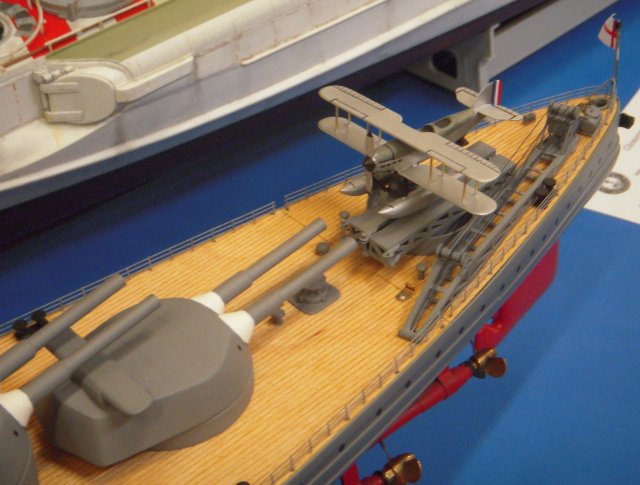


Indeed, it was pointed out that the 1/196 model depicted HMS Hood not as she was when destroyed by the German battleship Bismarck in 1941 but after her year of refitting in 1930 when a Fairey IIIF seaplane, launch catapult and recovery crane was added to the stern.  The aircraft and its associated equipment was removed in mid 1932 due to damage from high seas, one of the Faireys also being lost on launch at Weymouth on 26 June 1931.


  Originally earmarked as the first of a new "Admiral" class of battle cruisers, the box keel of HMS Hood was laid at John Brown's Shipyard on Clydebank as their job number 460 on 1 September 1916.  Designed to outweigh and outgun the anticipated new German "Mackensen" class of super battle cruisers, the Admiral class incorporated lessons learned at Jutland in terms of heavier armour and above-waterline torpedo tubes but ultimately failed to address the twin problems of low freeboard and deep draught. 

As the weight of armament, armour and engines increased, battle cruisers increasingly sat low in the water and their weight also increased their draught.  Although offering a lower and less visible profile, this meant that battle cruisers were increasingly unable to navigate shallow coastal waters and were more prone to the sea washing over their lower decks and the weapons systems placed there - a problem that particularly affected HMS Hood as her slender 860' long hull needed to be strengthened - and increased in weight  - to carry her proposed equipment.  Not for nothing was "The Mighty Hood" - launched on 22 August 1918 and commissioned on 15 May 1920 - later known as the largest submarine in the Royal Navy!

Indeed, it was pointed out that the 1/196 model depicted HMS Hood not as she was when destroyed by the German battleship Bismarck in 1941 but after her year of refitting in 1930 when a Fairey IIIF seaplane, launch catapult and recovery crane was added to the stern.  The aircraft and its associated equipment was removed in mid 1932 due to damage from high seas, one of the Faireys also being lost on launch at Weymouth on 26 June 1931.

Also visible in the picture above are two of the four propellers and shafts of HMS Hood.  On this model, only two of the propellers actually work and the rudder as fitted is oversized compared with the real ship, but necessary for the handling of the model on restricted waterways.


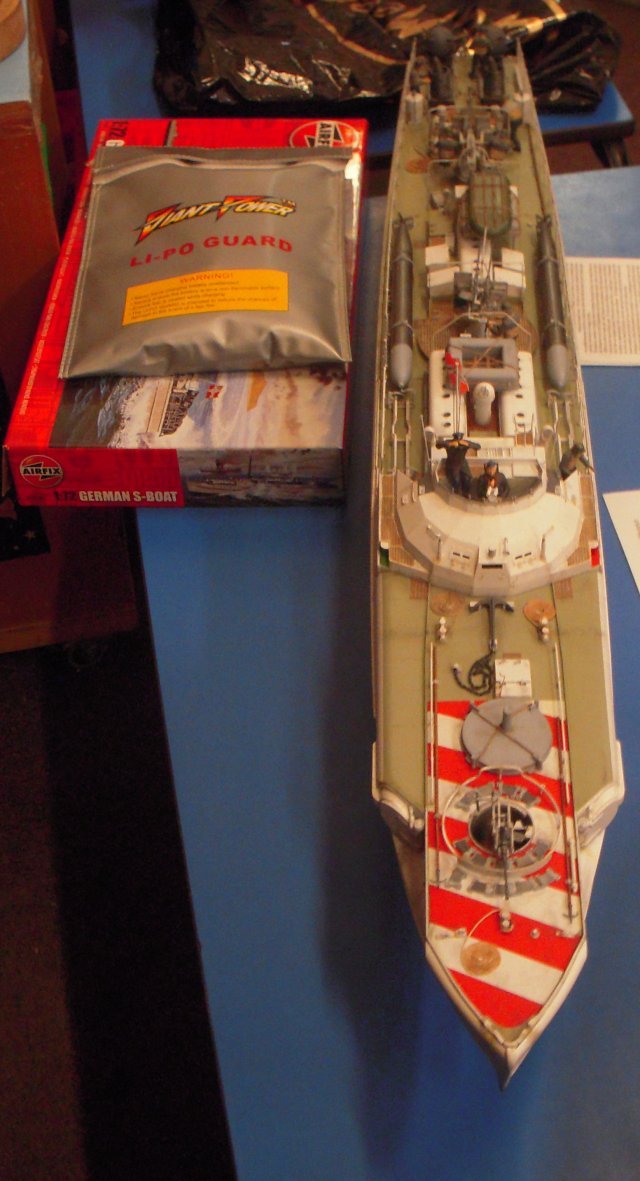
An alternative to scratchbuilding was explored in the discussion of this 1/35 scale German S100 class Schnellboot ( also known as S-Boat or E-Boat ) constructed from the Italeri static display kit and posed here next to the box of a 1/72 scale Airfix kit of an earlier mark of S-boat, itself supporting the bag needed to keep the 1/35 scale model's Lithium Polymer (Li-Po) batteries from getting wet.


  An alternative to scratchbuilding was explored in the discussion of this 1/35 scale German S100 class Schnellboot ( also known as S-Boat or E-Boat ) constructed from the Italeri static display kit and posed here next to the box of a 1/72 scale Airfix kit of an earlier mark of S-boat, itself supporting the bag needed to keep the 1/35 scale model's Lithium Polymer (Li-Po) batteries from getting wet.

Indeed, a common theme from all the modellers was that a combination of modern Li-Po batteries and highly efficient brushless electrical motors have greatly reduced the size and weight of the "gubbins" needed to make a boat move - and in many cases made them cheaper.  For this reason alone, converting such a 1/35 scale static display kit is now more feasible than it used to be, although the relatively flimsy hull requires additional strengthening and waterproofing.

The German Schnellboot was approximately twice as large as its American and British contemporaries and far better suited for the open sea. It could run at full speed in very high seas and ranged up to 700 nautical miles - not possible in any of the Allied patrol boats.

The S-boats were so fast due to their hull design the Lurssen Effect - created when two small rudders, known as Lurssen rudders, situated on either side of the main rudder are turned toe in and heel out. This lowers the bow and also reduces the wake, making the S-boat less visible when moving and yielding 40 knots when the same  2 500 bhp Mercedes Benz powerplant could only make 36 knots without the Lurssen Effect.

This particular S100 was finished in a Black Sea 1943 scheme with the striking red and white air identification stripes - later to be covered in tarpaulins when the war in the East went against the Third Reich.


The German Schnellboot was approximately twice as large as its American and British contemporaries and far better suited for the open sea. It could run at full speed in very high seas and ranged up to 700 nautical miles - not possible in any of the Allied patrol boats.


British fast patrol craft meanwhile were represented by this 1/24 scale 70' Vosper Motor Torpedo Boat, scratch built out of plastic card although the real thing was constructed at Portchester with three 300 bhp American Packard petrol engines giving a top speed of 33 knots.


  British fast patrol craft meanwhile were represented by this 1/24 scale 70' Vosper Motor Torpedo Boat, scratch built out of plastic card although the real thing was constructed at Portchester with three 300 bhp American Packard petrol engines giving a top speed of 33 knots. 

MTB 58 was ordered on 26 February 1940, commissioned on 8 December 1941 and sold out of RN use in October 1944, before which she would have had a complement of twelve men and have been armed with two 21" diameter torpedo tubes and a 20mm anti-aircraft gun mounting.


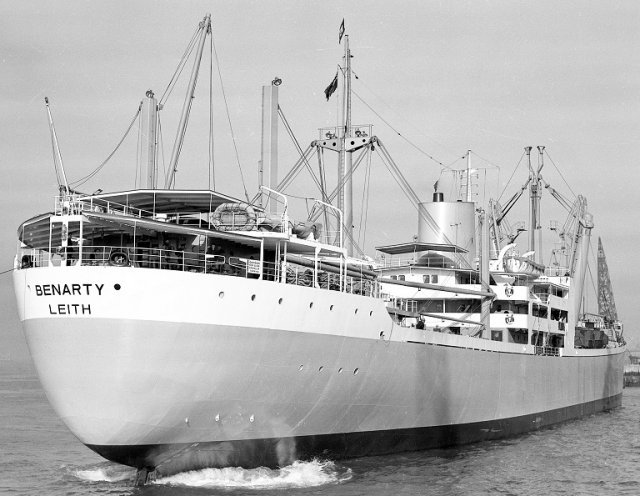
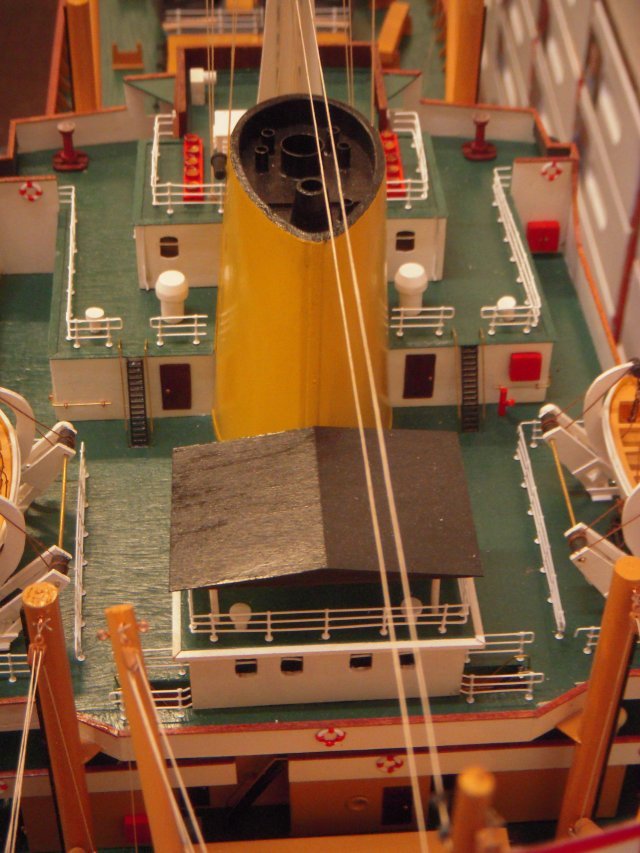
With its yellow funnel bringing some sunshine on Leith, the heavy lift merchantman SS Benarty was the subject of a 1/64 scale wooden model again powered by a brushless motor powered and regulated by compact modern equipment.


  With its yellow funnel bringing some sunshine on Leith, the heavy lift merchantman SS Benarty was the subject of a 1/64 scale wooden model again powered by a brushless motor powered and regulated by compact modern equipment.

Ben Line can be traced back to 1839 with the completion of the sailing ship "Carrara" for William and Alexander Thomson to import marble from Italy. In 1847 Alexander Thomson retired from the partnership and William Thomson & Company, Leith was founded. The main trade at this time was coal to Canada, returning with cargoes of timber. In 1859 the first voyage to Singapore, China and Japan took place and eventually the Far East became the company's major trade route. Routes were extended to the Baltic and Mediterranean, and the Canadian timber trade ceased in the mid-1880s.

In 1919 the company became Ben Line Steamers Ltd and in 1927 the last of the Baltic Sea ships was sold. In 1976 Sheaf Steam Shipping Co, Newcastle was taken over, but by 1991 with the decline in British shipping, Ben Line combined with East Asiatic Company of Copenhagen to operate a weekly service to the Far East and the following year sold their remaining ships. By 1996 their only remaining maritime asset was an oil rig.


In the years after the Second World War Ben Line had taken a specific interest in ships capable of heavy lifts and the SS Benarty - launched on 12 October 1962 and completed in February 1963 as the sixth of seven Ben Line ships to bear the name - was a prime example of this.  She was completed by Caledon Ship Building and Engineering Limited in Dundee as yard number 534 with a Stulcken derrick capable of lifting 180 tons and similar equipment for lifting ten and five ton loads.  Other distinctive features included folding McGregor hatches and a hydrofoil stored at the stern as the Captain's gaff.


In the years after the Second World War Ben Line had taken a specific interest in ships capable of heavy lifts and the SS Benarty - launched on 12 October 1962 and completed in February 1963 as the sixth of seven Ben Line ships to bear the name - was a prime example of this.  She was completed by Caledon Ship Building and Engineering Limited in Dundee as yard number 534 with a Stulcken derrick capable of lifting 180 tons and similar equipment for lifting ten and five ton loads.  Other distinctive features included folding McGregor hatches and a hydrofoil stored at the stern as the Captain's gaff.

Gross registered tonnage of the ship with the International Maritime Organisation number 5401625 was 10 294 compared with 12 420 tons dwt, propulsion coming from a 9 000 bhp  six cylinder Sulzer diesel supplied by D. Rowan and Company of Glasgow acting on a single screw propeller and yielding a top speed of 17 1/2 knots.

In 1981 the Benarty was sold to Pacific International Lines Pte Ltd of Singapore to become their "Kota Petani" and was broken up by the Guo Feng Steel Enterprise Company at Kaohsiung on 9 December 1985.


Gross registered tonnage of the ship with the International Maritime Organisation number 5401625 was 10 294 compared with 12 420 tons dwt, propulsion coming from a 9 000 bhp  six cylinder Sulzer diesel supplied by D. Rowan and Company of Glasgow acting on a single screw propeller and yielding a top speed of 17 1/2 knots.


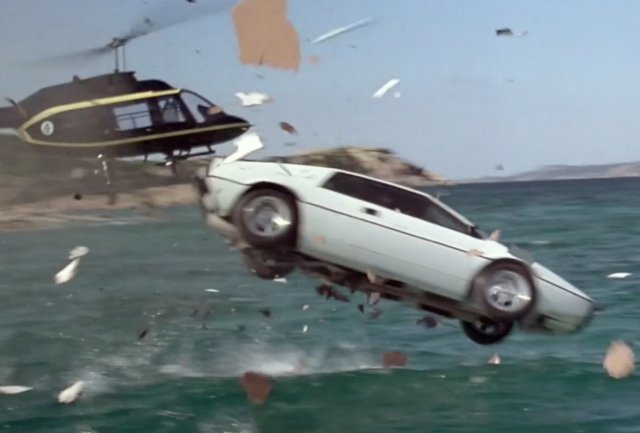
The selection of the Esprit was due to Don McLaughlan, then head of public relations at Lotus Cars, taping over all Lotus branding on the prototype and parking it outside the Eon offices at Pinewood Studios.  Eon, the company behind the Bond films, was so impressed that they asked to borrow it to shoot chase sequences in Sardinia before a mock-up shell was propelled off a jetty - as seen above - by compressed air cannon.


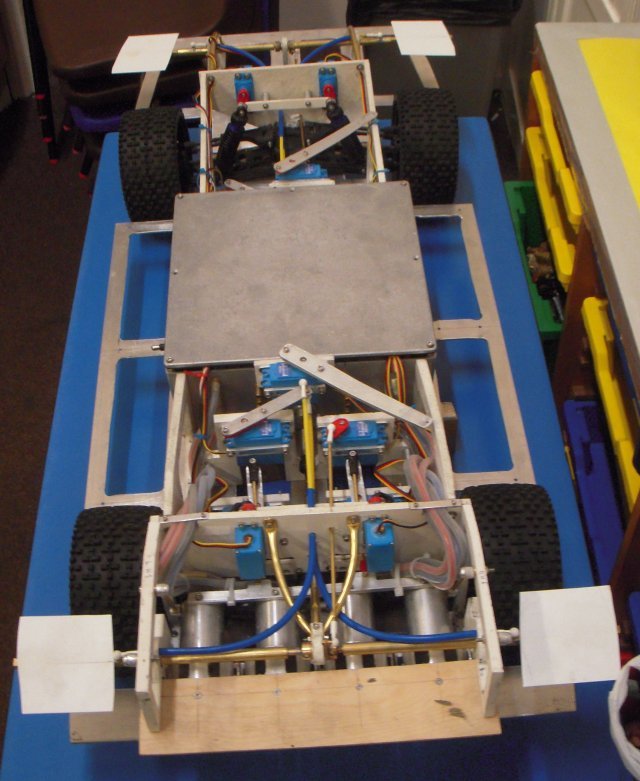
  The largest - single digit in fact - scale model of the evening however was the chassis of a famous car that was also the submarine of a secret agent - 007 James Bond no less!

"Wet Nellie" appeared in the 1977 Gilbert Lewis-directed film "The Spy Who Loved Me" first as a road-going Lotus Esprit and then - with wheels retracted and diving planes and propellers deployed - as a submersible fitted with missiles that Bond used to shoot down the helicopter pursuing him -  "flown" by Caroline Munro.

The selection of the Esprit was due to Don McLaughlan, then head of public relations at Lotus Cars, taping over all Lotus branding on the prototype and parking it outside the Eon offices at Pinewood Studios.  Eon, the company behind the Bond films, was so impressed that they asked to borrow it to shoot chase sequences in Sardinia before a mock-up shell was propelled off a jetty - as seen above - by compressed air cannon.

For the underwater sequences, seven different models were filmed in Nassau, Bahamas to represent each stage of the transformation from car to submarine during which Alka-Seltzer tablets were used to create air bubbles. 

The truly submersible "Wet Nellie" was a fully mobile submarine equipped with an engine built by Miami-based Perry Submarines and was sold at auction in London in September 2013 for £ 550 000.  The new owner was South African born Paypal and SpaceX entrepreneur Elon Musk who said "I was disappointed to learn that it can't actually transform.  What I'm going to do is upgrade it with a Tesla electric power train and try to make it transform for real."


However, the creator of the model shown to World Ship Society members - already having built a number of amphibious vehicles - aims to go one better than Bond by making a single vehicle function as both a car on land and a submarine in the water.  To this end the sensitive power and control mechanics are housed in a central waterproof box, the wheels retract upwards and the planes tilt to permit dynamic diving - allowing the car to surface when not moving forward.


  However, the creator of the model shown to World Ship Society members - already having built a number of amphibious vehicles - aims to go one better than Bond by making a single vehicle function as both a car on land and a submarine in the water.  To this end the sensitive power and control mechanics are housed in a central waterproof box, the wheels retract upwards and the planes tilt to permit dynamic diving - allowing the car to surface when not moving forward.

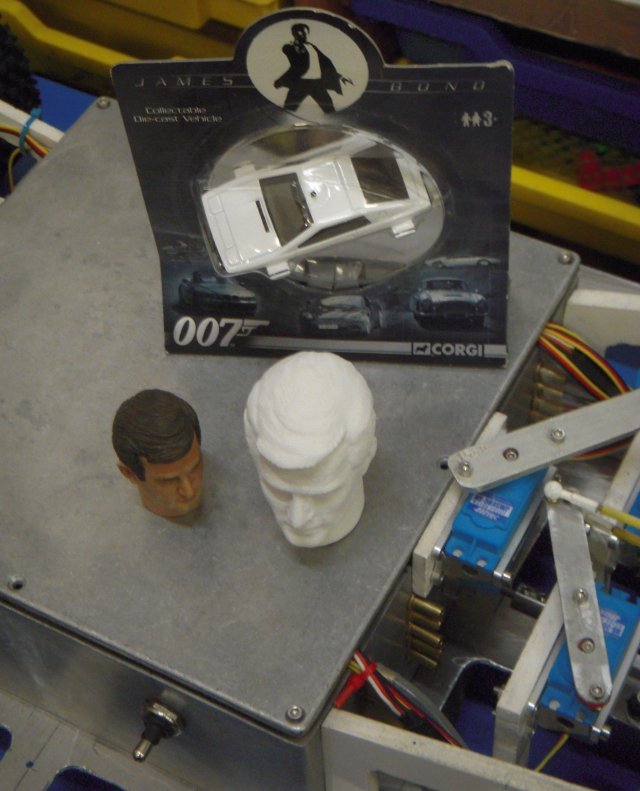
We thank the members of the Gloucester and District Model Boat Club for a fascinating evening, and remain confident that any future presentations will, like the 3D printed head of Roger Moore, seen below, continue to raise some eyebrows!


We thank the members of the Gloucester and District Model Boat Club for a fascinating evening, and remain confident that any future presentations will, like the 3D printed head of Roger Moore, seen below, continue to raise some eyebrows!


  MONDAY11 NOVEMBER 2013  


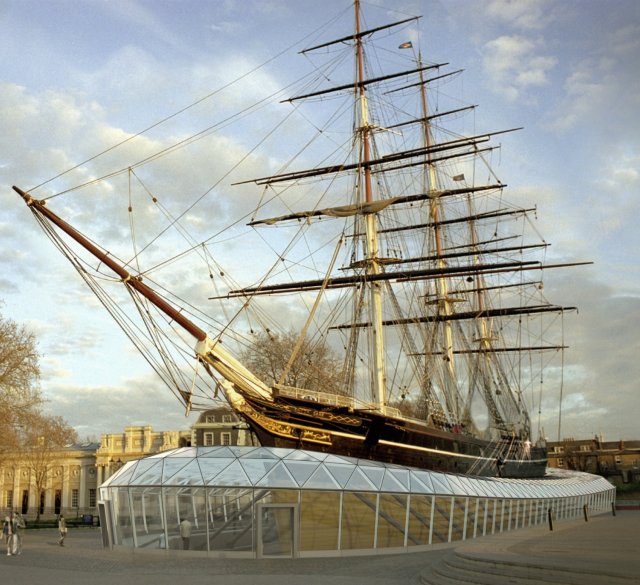
  Ken treated us to a world wide variety of locations and types of shipping including lifeboats of Tyne and Severn Class, the Cutty Sark before and after its fire, Cunard liners, sailing ships and Royal Yachts of at least three different countries.  


  For our November meeting our chairman Ken Guest offered a Powerpoint presentation entitled "General Shipping" - but this title did not do justice to his show. 

Ken treated us to a world wide variety of locations and types of shipping including lifeboats of Tyne and Severn Class, the Cutty Sark before and after its fire, Cunard liners, sailing ships and Royal Yachts of at least three different countries.

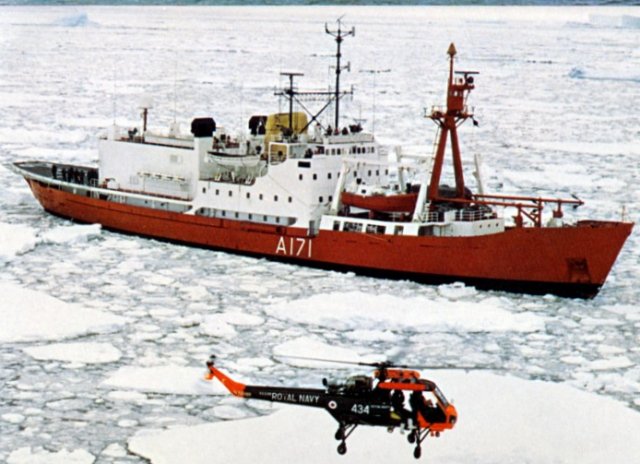
Ken has travelled with his camera over six of the seven seas, and Antarctica was represented by a red hulled research vessel arriving at Portsmouth.

Thank you Ken for a varied selection of shipping and a carefully researched commentary.  Thanks also go to our projectionist John Mayer.  A very enjoyable evening was had by all.


Ken has travelled with his camera over six of the seven seas, and Antarctica was represented by a red hulled research vessel arriving at Portsmouth.


  MONDAY11 NOVEMBER 2013  


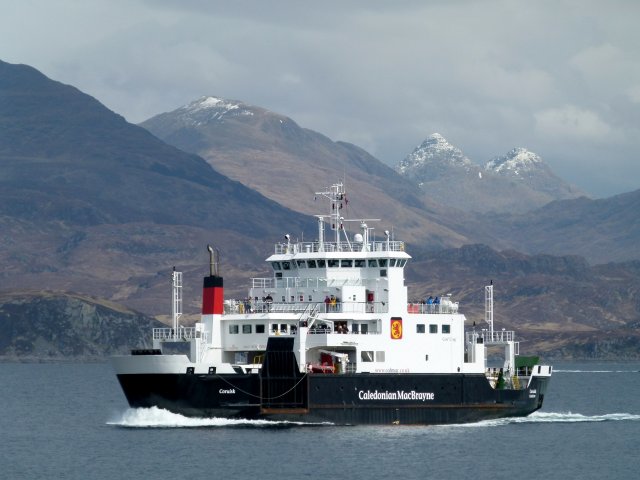
December marked our annual photographic competition which comprised of groups of four or less prints.  In the first round of judging we selected the best of each group of entries.  Then in the second round of judging we had to choose the best of the thirteen to win the Les Tibbets Memorial Shield.  Congratulations to the winner, our Chairman Ken Guest with a photo of the Caledonian MacBrayne ferry 'Coruisk' sailing in the Sound of Sleat from Mallaig to Armadale on the Isle of Skye in May 2013.


  December marked our annual photographic competition which comprised of groups of four or less prints.  In the first round of judging we selected the best of each group of entries.  Then in the second round of judging we had to choose the best of the thirteen to win the Les Tibbets Memorial Shield.  Congratulations to the winner, our Chairman Ken Guest with a photo of the Caledonian MacBrayne ferry 'Coruisk' sailing in the Sound of Sleat from Mallaig to Armadale on the Isle of Skye in May 2013. 

As the poem has it

"The earth and sea it is the Lord's,
And all that it contains,
Excepting for the Western Isles -
That's Caledonian MacBrayne's."

Thanks to everyone who made then evening a success and the food was most enjoyable.