Home |
MODELLING N GAUGE STEAM PUSH-PULL YESTERDAY, TODAY AND TOMORROW |
|||||||||||||||||||||||||||||||||||||||||||||||||||||||||||||||||||||||||||||||||||||||||||||||||||||||||||||||||||||||||||||||||
| |
||||||||||||||||||||||||||||||||||||||||||||||||||||||||||||||||||||||||||||||||||||||||||||||||||||||||||||||||||||||||||||||||||
| INTRODUCTION | ||||||||||||||||||||||||||||||||||||||||||||||||||||||||||||||||||||||||||||||||||||||||||||||||||||||||||||||||||||||||||||||||||
![]() |
||||||||||||||||||||||||||||||||||||||||||||||||||||||||||||||||||||||||||||||||||||||||||||||||||||||||||||||||||||||||||||||||||
| As described on other pages of this website, my N Gauge layout Terminal 1
was designed to be used soley by trains with locomotives top and tail,
multiple unit trains, railcars and push-pull formations. Thanks to the pioneering preservationists of the Great Western Society at Didcot and model manufacturers such as Airfix ( in 00 gauge) Dapol and Langley, the combination of 14xx 0-4-2T and auto coach - as pictured above - is what most railway enthusiasts envision when they think of a steam powered push-pull train. However, the Great Western Railway - although pioneers of steam railmotors and streamlined diesel railcars - were not the first company to use such semi-fixed formations. | ||||||||||||||||||||||||||||||||||||||||||||||||||||||||||||||||||||||||||||||||||||||||||||||||||||||||||||||||||||||||||||||||||
![]() | ||||||||||||||||||||||||||||||||||||||||||||||||||||||||||||||||||||||||||||||||||||||||||||||||||||||||||||||||||||||||||||||||||
| The
North Eastern and Midland Railways had both been using push-pull sets
since about 1905 and driving trailers were also in use on the Glasgow
& South Western, Great Eastern (from 1914) and London Brighton
& South Coast and London & South Western Railways. The Midland Railway branch line "motor train" comprising Third Class Luggage Brake 0500, Johnson 0-6-0T 1632 and Composite Luggage Brake 3567 above was photographed on 6 April 1908 while below is one of four Midland Railway Pullman autocar sets. These were made from four Midland & Great Northern Joint Railway 4-4-0Ts ( exchanged for three Midland built 0-4-4Ts) and four American Pullman carriages which by 1905 had been demoted from main line express passenger work. This particular train was used on the Wirksworth branch from Derby while others were used on the Hemel Hempstead to Harpended and Ripley branches. The Hudswell Clarke built M&GNJR 4-4-0Ts remained on the Midland Railway until 1912. In this article I hope to survey Britain's steam powered push-pull trains away from the Paddington-Swindon axis, examine some modelling techniques, highlight available ready to run models and kits and hopefully stimulate manufacturers to do even more for the push-pull enthusiast modelling in N gauge. | ||||||||||||||||||||||||||||||||||||||||||||||||||||||||||||||||||||||||||||||||||||||||||||||||||||||||||||||||||||||||||||||||||
![]() | ||||||||||||||||||||||||||||||||||||||||||||||||||||||||||||||||||||||||||||||||||||||||||||||||||||||||||||||||||||||||||||||||||
| BASIC PRINCIPLES | ||||||||||||||||||||||||||||||||||||||||||||||||||||||||||||||||||||||||||||||||||||||||||||||||||||||||||||||||||||||||||||||||||
| The law requires that the driver of a push-pull train keep a good look
out in the direction of travel and the most logical way to do this when
running carriage first was to incorporate a small driving cab at the
non-powered end of the vehicle, equipped with bell and other control
gear. The Furness Railway however had a driving trailer with a narrow coach body but a cab at the locomotive end built out to the full width of the loading gauge, producing a T-shaped vehicle similar in style to the BR Class 20 locomotive. Windows in the rear outer cab bulkhead allowed the driver to see along the sides of the coach to observe lineside signals despite leaving a blind spot directly ahead. As they were usually built to serve rural lines, push-pull driving trailers often featured only a single central door on each side, commonly equipped with a set of folding steps to allow level crossings to be used as a 'halt' without the expense of building a platform and shelter. In some cases the halt consisted of sleepers laid beside the track to form a ground level 'platform'. | ||||||||||||||||||||||||||||||||||||||||||||||||||||||||||||||||||||||||||||||||||||||||||||||||||||||||||||||||||||||||||||||||||
| METHODS OF CONTROL | ||||||||||||||||||||||||||||||||||||||||||||||||||||||||||||||||||||||||||||||||||||||||||||||||||||||||||||||||||||||||||||||||||
![]() | ||||||||||||||||||||||||||||||||||||||||||||||||||||||||||||||||||||||||||||||||||||||||||||||||||||||||||||||||||||||||||||||||||
| For push-pull operation a second remote-control regulator was often
added to the engine and companies using air brakes (notably the London
& South Western Railway then the Southern) employed compressed air
from the Westinghouse pump to control the regulator on the engine.
Those companies using vacuum brakes (including the LMS and its Midland
and London & North western Railway constituents and the LNER)
favoured a vacuum system and others (including the GWR) used a
telescopic metal rod arrangement. Push pull fitted London Midland 0-4-4Ts - such as 2P 41908 - seen here on Longsight shed (9A) in August 1955 - were noted with vertically separated twin vacuum pipes on the buffer beam. The right hand pipe ( nearest the camera) was mounted high, as normal for working with coaching stock, while the left hand pipe was mounted much lower down, running across the buffer beam. This arrangement, with the brake pipe higher than the control pipe, seems to have been standard at one point, engines with both pipes mounted on the front of the buffer beam also had the brake pipe mounted higher and and close to the centreline, with the control pipe set lower and offset to the left. Introduced in 1932, all ten 2P 0-4-4Ts numbered 41900 to 41909 were fitted for push-pull working but all had been withdrawn by 1962. | ||||||||||||||||||||||||||||||||||||||||||||||||||||||||||||||||||||||||||||||||||||||||||||||||||||||||||||||||||||||||||||||||||
![]() | ||||||||||||||||||||||||||||||||||||||||||||||||||||||||||||||||||||||||||||||||||||||||||||||||||||||||||||||||||||||||||||||||||
| On Bletchley-allocated
ex London & North Western 2F 0-6-2T "Coal Tank" 58887, pictured
above at Leighton Buzzard on Dunstable Branch train in July 1951,
however, both vacuum brake and vacuum control pipes are of an
equal height above the buffer beam, a practice perpetuated on more
modern LMS and BR Standard push-pull fitted steam tank engines. The 43
ton 15 cwt "Coal Tanks" were designed by Francis William Webb and
introduced in 1882, with 58887 being numbered 27596 by the LMS.
Sister locomotive 58926 was subsequently preserved by the
National Trust. | ||||||||||||||||||||||||||||||||||||||||||||||||||||||||||||||||||||||||||||||||||||||||||||||||||||||||||||||||||||||||||||||||||
| PUSH-PULL LOCOMOTIVES | ||||||||||||||||||||||||||||||||||||||||||||||||||||||||||||||||||||||||||||||||||||||||||||||||||||||||||||||||||||||||||||||||||
| ||||||||||||||||||||||||||||||||||||||||||||||||||||||||||||||||||||||||||||||||||||||||||||||||||||||||||||||||||||||||||||||||||
| GENERIC PUSH-PULL CARRIAGES | ||||||||||||||||||||||||||||||||||||||||||||||||||||||||||||||||||||||||||||||||||||||||||||||||||||||||||||||||||||||||||||||||||
![]() | ||||||||||||||||||||||||||||||||||||||||||||||||||||||||||||||||||||||||||||||||||||||||||||||||||||||||||||||||||||||||||||||||||
| Ivatt 2-6-2T 41288 displays the fitments associated with LMS style push pull working as it heads the Locomotive Club of Great Britain's North West Push-Pull Farewell tour at Earlstown on 5 February 1966. | ||||||||||||||||||||||||||||||||||||||||||||||||||||||||||||||||||||||||||||||||||||||||||||||||||||||||||||||||||||||||||||||||||
| Outside
of the Western, other British Railways Regions converted Big Four era
stock to replace the pre-grouping stock converted by the SR, LMS and
LNER. Typically, a former brake coach would be used to create a
driving trailer with a normal passenger coach - with suitable air
or vacuum piping - as the intermediate. Such a formation would retain
most of the luggage space of the brake coach and offer plenty of
seating for passengers. Modelling a generic rather than specific steam hauled push-pull services is therefore not really a problem in N Gauge. For example a Graham Farish 'suburban' brake coach could suffice as the driving coach with the look-out duckets removed (these could be either sanded flat or drilled and carved out to produce droplight cab-side windows) and two or three windows added to the end, all of which could be done by boring through with the tip of a pointed modelling knife and carving away the sides of the hole until the requires size is reached. There was usually a sun-shade mounted above the drivers window and on some coaches there was a shade above each of the windows. These were either a flat metal plate sticking out at right angles or a thin sheet metal 'hood' with tri-angular sides. Both options could be created either with 10/1000 plastic card in 2mm deep strips ( with similar gauge stiffening above and below) or by sanding a piece of 40/1000" into a wedge section. The seating supplied with the Farish coaches holds the side glazing in place but the glazing for the end windows would need to be glued on (a blob of Milliput on the inside would serve well for this). Such a brake coach, with a composite coach as the intermediate would provide a suitable set for LMS, LNER or SR era trains. | ||||||||||||||||||||||||||||||||||||||||||||||||||||||||||||||||||||||||||||||||||||||||||||||||||||||||||||||||||||||||||||||||||
| SOUTHERN PUSH-PULL CARRIAGES | ||||||||||||||||||||||||||||||||||||||||||||||||||||||||||||||||||||||||||||||||||||||||||||||||||||||||||||||||||||||||||||||||||
| Southern
Railway push-pull sets had an un-lined all-over green livery, including
the ends, and stock converted to push-pull working included former
South East and Chatham Railway bogie coaches. These coaches used a
three-pipe compressed air system to operate the locomotive controls
from the driving trailer. As with the LNER and LMS the Southern Railway
and BR Southern Region produced intermediate coaches, so they could run
a loco with a two-coach or three-coach rake on one side. For branch line duties on the Isle of Wight the SR had a pair old London Chatham and Dover Railway six wheelers, modified to four wheelers and altered for push pull working in 1924. This pair, a driving trailer and an intermediate coach, ran as a set on the Merstone-Ventnor West branch behind (or ahead of) an auto-fitted Terrier 0-6-0 tank engine. These were withdrawn in 1938 (and spent some time as bungalows) but have now been restored by the IoW Steam Railway and placed back in service. Unfortunately these coaches did not resemble the standard Farish offerings (either the four wheelers or cut down bogie coaches) so modelling them accurately would be problematic. For a freelance line however something similar could be produced using Farish four wheelers or 'suburban' coach bodies cut down to about five compartments in length. This would produce a very short train, only slightly longer than a single coach and loco. They would not I think serve for a 'light railway' as the cost of the modified locomotive would probably have prevented such a service on these notoriously impoverished lines. For the chassis you could either cut and shut a pair of Peco 15' wheelbase brakevan chassis (the chassis is only long enough for a four compartment coach using Farish body parts), the preserved examples have no lower footboard so a pair of cut down standard Peco 15' chassis could be used to produce a suitable chassis for each coach. In the late 1950s BR Southern Region modified 20 sets of Maunsell coaches to produce two-coach push-pull trains. The driving trailer was a former brake end coach with the gangway connection was removed and plated over, a window was added to either side of the end for the driver and the look-out duckets on the sides were then replaced by drop-lights. The intermediate coach was converted from a standard all third coach. These sets regularly ran with an M7 locomotive and were used to replace elderly SR and even pre-grouping vehicles still in service. One specific location for such a train would be the now-preserved line from Wareham to Swanage via Corfe Castle, once the haunt of auto-fitted M7 30667. Such a push-pull train could have the driving end displaying both the Southern Railway 'loco at the front' white lamp with red lens or the 'coach at the front' single white disk (SR stopping passenger train headcode). However there exists at least one photograph of such a set with both the disc and lamp in place as shown. | ||||||||||||||||||||||||||||||||||||||||||||||||||||||||||||||||||||||||||||||||||||||||||||||||||||||||||||||||||||||||||||||||||
![]() | ||||||||||||||||||||||||||||||||||||||||||||||||||||||||||||||||||||||||||||||||||||||||||||||||||||||||||||||||||||||||||||||||||
| More
firmly on ex London Brighton and South Coast Railway metals meanwhile,
former South Eastern and Chatham Class H 0-4-4Ts powered three carriage
push-pull trains between Guildford and Horsham via Christ's Hospital up
to 1956, after which more conventional Ivatt 2-6-2Ts began serving
Bramley and Wonersh, Cranleigh, Baynards, Rudgwick and Slinfold on the
line that had started out as the Horsham & Guildford Direct
Railway. This opened as part of the LBSCR on 2 October 1965 and
was closed by British Railways on 14 June 1965, although the line
between Horsham and Christ's Hospital ( opened in 1902 in anticipation
of a never-built housing estate ) remains operational today. Wainwright Class H 0-4-4Ts - including numbers 31522, 31543 and 31544 also pushed and pulled 2 coach trains between Tunbridge Wells West and Oxted via Ashurst, Cowden, Hever and Edenbridge as late as 1961, the final part of their journey into Oxted being along an LBSCR and SECR Joint Line. Class H 31517 meanwhile pushed and pulled between Stoke Junction on the Hundred of Hoo Railway and Allhallows-on-Sea on the Thames Estuary while 31516 was at work on the one time Cranbrook and Paddock Wood Railway in 1956 | ||||||||||||||||||||||||||||||||||||||||||||||||||||||||||||||||||||||||||||||||||||||||||||||||||||||||||||||||||||||||||||||||||
| LONDON MIDLAND PUSH-PULL CARRIAGES | ||||||||||||||||||||||||||||||||||||||||||||||||||||||||||||||||||||||||||||||||||||||||||||||||||||||||||||||||||||||||||||||||||
![]() | ||||||||||||||||||||||||||||||||||||||||||||||||||||||||||||||||||||||||||||||||||||||||||||||||||||||||||||||||||||||||||||||||||
| The driving trailer at the other end of 41288 at Earlstown, Lancashire on 5 February 1966. | ||||||||||||||||||||||||||||||||||||||||||||||||||||||||||||||||||||||||||||||||||||||||||||||||||||||||||||||||||||||||||||||||||
| The
LMS actually had 'Pull & Push' ( or just P&P) marked on the cab of their driving
trailers (just below the left hand window in lettering about four
inches high) and this marking was retained into the 1960s on ex LMS
stock. Such carriages would have been all over maroon with maroon
ends and a single driving trailer in unlined maroon would have
been coupled up to an Ivatt 2MT 2-6-2 engine on the Holywell Town
branch in the 1960s or an ex LNWR Webb "Coal Tank" before that.. However, from a colour photograph of the Northampton - Wellingborough push pull set on its last day it is apparent that he driving trailer coach is maroon with a black driving end, and black-cream-black lining on the sides (the coach between the driving trailer and the loco is plain maroon). The two window LMS push-pull coaches were the earlier pre-Grouping Midland stock modified by the LMS. As described in "LMS Coaches" by Essery and Jenkinson, these coaches were all modified from standard 57' and 54' stock with three windows on the driving ends. Once the generic model has been created using the methods detailed above, the more specific two-pipe LMR vacuum operating and braking system can be represented by drilling holes just above the buffer beam and gluing in either proprietary vacuum pipes or short lengths of coiled steel guitar string. A third hose, on the buffer beam itself, would represent the steam heating connection. Were the model locomotive and carriage(s) to be permanently coupled, it would be prototypical to have the regulator operating and brake pipes crossing over one another to form an X shape. An accurate London Midland push-pull train would also feature diaphragms associated with the vacuum operating system mounted on either side of the smokebox. In addition, there would be an RCS lighting jumper connection on the bufferbeam (as used today for Time Division Multiplex working with Driving Van Trailers). This was used to send signals from the driving trailer to the loco cab, via an electric gong. A plate listing the signal codes was mounted in the cab. The horn above the driver's window, meanwhile, can be represented by a track pin and by stroking the paint over the head you can build up the coned shape and this also gives a raised lip around the end. When the locomotive is leading a red bodied red lamp should be mounted on the autocoach lamp bracket. This would have been transferred to the loco when travelling with the loco to the rear and replaced by two white lamps, one on each of the brackets. The LMS operated two-coach (very occasionally three-coach) push-pull units, with both coaches usually on one side of the locomotive. Intermediate coaches were converted from standard non-corridor composites and all thirds. As well as the locomotives mentioned in the table above, a Webb LNWR 2-4-2T might have operated earlier push-pull trains while on GWR/LMS joint lines either LMS or GWR push-pull sets could have appeared. | ||||||||||||||||||||||||||||||||||||||||||||||||||||||||||||||||||||||||||||||||||||||||||||||||||||||||||||||||||||||||||||||||||
| LONDON MIDLAND PUSH-PULL LOCOMOTIVES | ||||||||||||||||||||||||||||||||||||||||||||||||||||||||||||||||||||||||||||||||||||||||||||||||||||||||||||||||||||||||||||||||||
![]() | ||||||||||||||||||||||||||||||||||||||||||||||||||||||||||||||||||||||||||||||||||||||||||||||||||||||||||||||||||||||||||||||||||
| Fowler 3MT 2-6-2T is seen here at Hull Botanic Gardens (53B) in August 1954 | ||||||||||||||||||||||||||||||||||||||||||||||||||||||||||||||||||||||||||||||||||||||||||||||||||||||||||||||||||||||||||||||||||
![]() | ||||||||||||||||||||||||||||||||||||||||||||||||||||||||||||||||||||||||||||||||||||||||||||||||||||||||||||||||||||||||||||||||||
| Ivatt "Mickey Mouse" 2MT 2-6-2T 41210 pictured at Warrington ( 8B) in 1955 | ||||||||||||||||||||||||||||||||||||||||||||||||||||||||||||||||||||||||||||||||||||||||||||||||||||||||||||||||||||||||||||||||||
![]() | ||||||||||||||||||||||||||||||||||||||||||||||||||||||||||||||||||||||||||||||||||||||||||||||||||||||||||||||||||||||||||||||||||
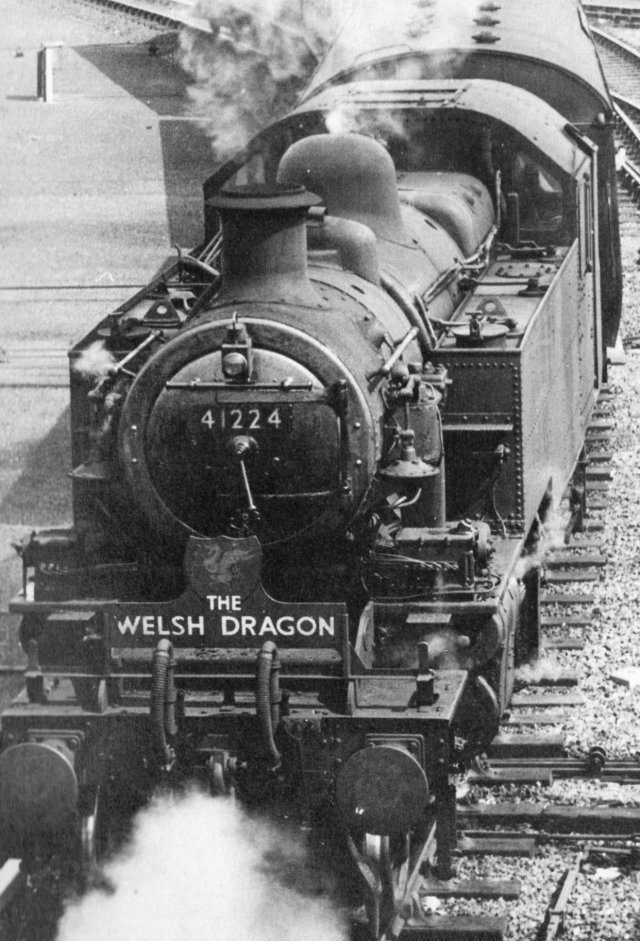
| The Welsh Dragon was given to the Rhyl-Llandudno push-pull shuttle service introduced in the late 1950s to serve the coastal resorts. The unusually shaped headboard was mounted on the outer buffer beam lamp brackets and the three suburban carriages carried matching roof boards. Provision of motive power was the responsibility of Rhyl shed (6K) and 41224 is seen here approaching Llandudno Junction for Rhyl. | ||||||||||||||||||||||||||||||||||||||||||||||||||||||||||||||||||||||||||||||||||||||||||||||||||||||||||||||||||||||||||||||||||
![]() | ||||||||||||||||||||||||||||||||||||||||||||||||||||||||||||||||||||||||||||||||||||||||||||||||||||||||||||||||||||||||||||||||||
| The right hand vacuum regulator control gear can be seen close up in this June 1963 view of 41226 at Bangor with an Amlwch push-pull train. | ||||||||||||||||||||||||||||||||||||||||||||||||||||||||||||||||||||||||||||||||||||||||||||||||||||||||||||||||||||||||||||||||||
![]() | ||||||||||||||||||||||||||||||||||||||||||||||||||||||||||||||||||||||||||||||||||||||||||||||||||||||||||||||||||||||||||||||||||
| 41289 is seen above at Fenny Stratford on the Bedford-Bletchley line. | ||||||||||||||||||||||||||||||||||||||||||||||||||||||||||||||||||||||||||||||||||||||||||||||||||||||||||||||||||||||||||||||||||
![]() | ||||||||||||||||||||||||||||||||||||||||||||||||||||||||||||||||||||||||||||||||||||||||||||||||||||||||||||||||||||||||||||||||||
| 41324 was allocated to Bangor depot for a short while in 1953. | ||||||||||||||||||||||||||||||||||||||||||||||||||||||||||||||||||||||||||||||||||||||||||||||||||||||||||||||||||||||||||||||||||
| BRITISH STANDARD PUSH-PULL LOCOMOTIVES | ||||||||||||||||||||||||||||||||||||||||||||||||||||||||||||||||||||||||||||||||||||||||||||||||||||||||||||||||||||||||||||||||||
![]() | ||||||||||||||||||||||||||||||||||||||||||||||||||||||||||||||||||||||||||||||||||||||||||||||||||||||||||||||||||||||||||||||||||
![]() | ||||||||||||||||||||||||||||||||||||||||||||||||||||||||||||||||||||||||||||||||||||||||||||||||||||||||||||||||||||||||||||||||||
![]() | ||||||||||||||||||||||||||||||||||||||||||||||||||||||||||||||||||||||||||||||||||||||||||||||||||||||||||||||||||||||||||||||||||
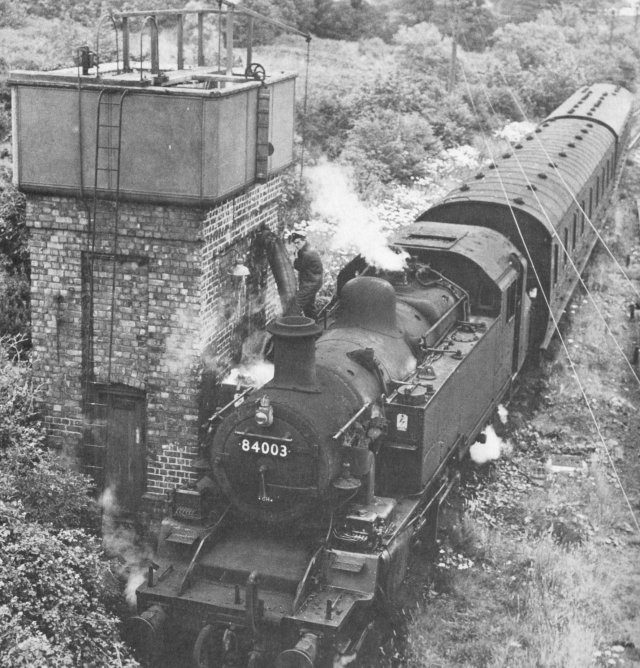
| Designed at Derby and introduced in 1953, 84003 was a member of the smallest of British Standard 2-6-2T classes and owed much to the previous LMS Ivatt "Mickey Mouse" tank engines. The top picture in this section shows it running chimney first with The Welsh Dragon past Foryd Junction, Rhyl, where the Ruthin branch diverged, on 6 August 1962. In the middle is its push-pull set on Anglesea's Amwlch branch in March 1964 and the final picture, taken at the Amwlch water tank, dates from July 1964. | ||||||||||||||||||||||||||||||||||||||||||||||||||||||||||||||||||||||||||||||||||||||||||||||||||||||||||||||||||||||||||||||||||
| LONDON MIDLAND PUSH-PULL OPERATIONS | ||||||||||||||||||||||||||||||||||||||||||||||||||||||||||||||||||||||||||||||||||||||||||||||||||||||||||||||||||||||||||||||||||
![]() | ||||||||||||||||||||||||||||||||||||||||||||||||||||||||||||||||||||||||||||||||||||||||||||||||||||||||||||||||||||||||||||||||||
![]() | ||||||||||||||||||||||||||||||||||||||||||||||||||||||||||||||||||||||||||||||||||||||||||||||||||||||||||||||||||||||||||||||||||
| London
Midland push-pull trains could be found, among other places, working on
the former London & North Western line between Buckingham, Verney
Junction and Bletchley until 1960 and also between Harrow and Wealdstone
and Belmont and Stanmore, where motive power was by Ivatt 2-6-2Ts. Similar 1946 designed Ivatt 2-6-2Ts , like 41219, seen above near Morcott, pushed and pulled Stamford and Seaton via Ketton, Luffenham and Marcott and along the branch from Seaton to Uppingham, closed in 1960. The more conventional steam trains to Stamford from Essendine on the East Coast Main Line - last run on 13 June 1959 - were meanwhile often hauled by 1891 vintage ex Manchester, Sheffield and Lincoln Railway N5 0-6-2Ts, close relatives of the Class N5/2 locomotive mentioned in the table above. | ||||||||||||||||||||||||||||||||||||||||||||||||||||||||||||||||||||||||||||||||||||||||||||||||||||||||||||||||||||||||||||||||||
![]() | ||||||||||||||||||||||||||||||||||||||||||||||||||||||||||||||||||||||||||||||||||||||||||||||||||||||||||||||||||||||||||||||||||
| For
those wishing to pursue a more specific London & North Western
push-pull train, the Oldham-Delph branch in Lancashire was operated by
Diagram M49 open third driving trailers (a large scale model of which is pictured above) with recessed
centrally-positioned double doors above a set of steps reaching the
ground. One of these was eventually numbered M3416M and could work with
a non driving trailer - built to Diagram M47 - and featuring a high
elliptical roof and recessed end doors, again with steps. The LNWR carriage inventory also included an earlier Diagram M15 driving saloon and M52 50' Corridor Third with the driver to one side of the central gangway connection. Diagram M12 meanwhile was for a non-driving trailer with sliding doors in the manner of an an LNWR Oerlikon electric multiple unit. All these vehicles would have run on either 8ft Bulbiron or 9ft Deepframe bogies. Click on picture above for more information | ||||||||||||||||||||||||||||||||||||||||||||||||||||||||||||||||||||||||||||||||||||||||||||||||||||||||||||||||||||||||||||||||||
![]() | ||||||||||||||||||||||||||||||||||||||||||||||||||||||||||||||||||||||||||||||||||||||||||||||||||||||||||||||||||||||||||||||||||
| London Midland driving trailer M24425M offers an alternative view of vacuum control piping | ||||||||||||||||||||||||||||||||||||||||||||||||||||||||||||||||||||||||||||||||||||||||||||||||||||||||||||||||||||||||||||||||||
| LONDON NORTH EASTERN PUSH-PULL CARRIAGES | ||||||||||||||||||||||||||||||||||||||||||||||||||||||||||||||||||||||||||||||||||||||||||||||||||||||||||||||||||||||||||||||||||
| The LNER inherited at least one former NER clerestory roofed push-pull coach,
which I believe worked as a single coach and loco combination. Langley offer a
kit for this LNER clerestory push-pull coach, shown in their catalogue as 'teak'
although the NER painted their coaches a deep red similar to Midland red. A former LNER brake end coach was also converted into a push-pull driving trailer and was recorded along with an all third intermediate coach, behind a Class G5 engine at South Howden station in 1955. | ||||||||||||||||||||||||||||||||||||||||||||||||||||||||||||||||||||||||||||||||||||||||||||||||||||||||||||||||||||||||||||||||||