| Home |
CHELTENHAM GWR MODELLERS GROUP
|
||
| |
|||
| SPONSORED BY | |||
|
|
|||
 |
|||
|
|
|||
|
THE NEXT EXHIBITION WILL BE HELD ON SATURDAY 25 AND SUNDAY 26 OCTOBER 2014 |
|||
| |
|||
|
Click here for Introduction and future exhibition information |
|||
| |
|||
|
|
|||
| |
|||
| |
|||
|
|
|||
| |
|||
| |
|||
|
|
|||
| |
|||
|
|
|||
| |
|||
 |
|||
| |
|||
|
|
|||
| |
|||
| |
|||
|
|
|||
| |
|||
|
|
|||
|
|
|||
|
|
|||
| |
|||
|
|
|||
| |
|||
| |
|||
|
|
|||
| Click on picture for review of October 2009 | |||
|
|
|||
| Click on picture for review of April 2010 | |||
|
|
|||
|
|
|||
|
|
|||
|
|
|||
|
|
|||
|
|
|||
|
|
|||
|
|
|||
|
|
|||
|
|
|||
|
|
|||
|
|
|||
|
LAYOUT AND ATTRACTION REVIEW |
|||
| |
|||
| FIGGES MARSH
TMD
by Dennis Stevens
0 Gauge 7mm Scale |
|||
| |
|||
|
|
|||
| |
|||
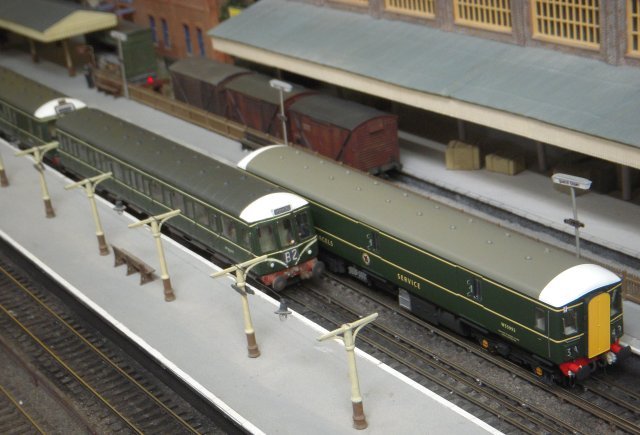
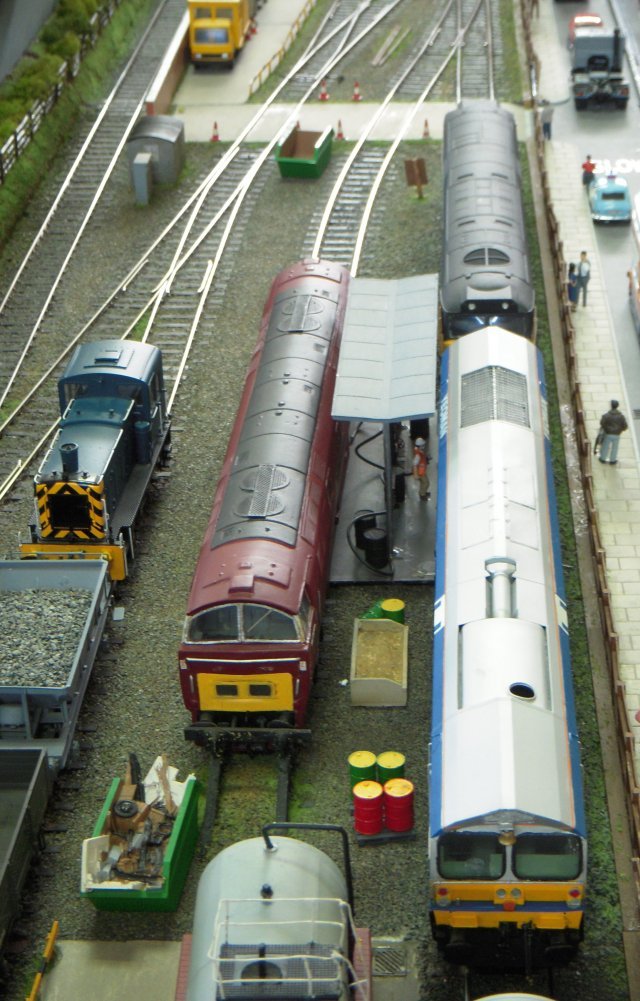
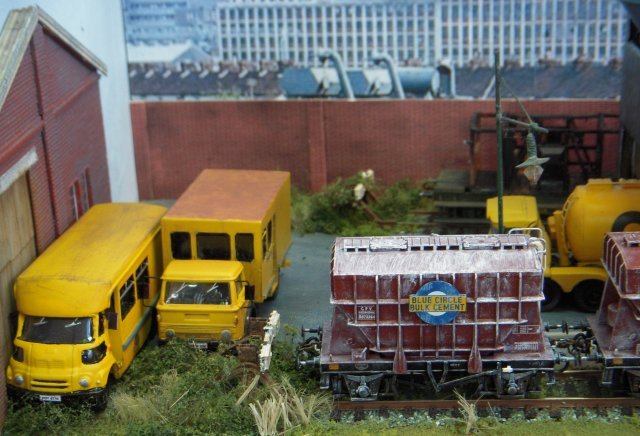
| Figges Marsh TMD was a small DCC
layout featuring diesel locomotives from maroon Warships and
Westerns to blue and large logo British machines and the first
General Motors Class 59. The buildings were either kit or
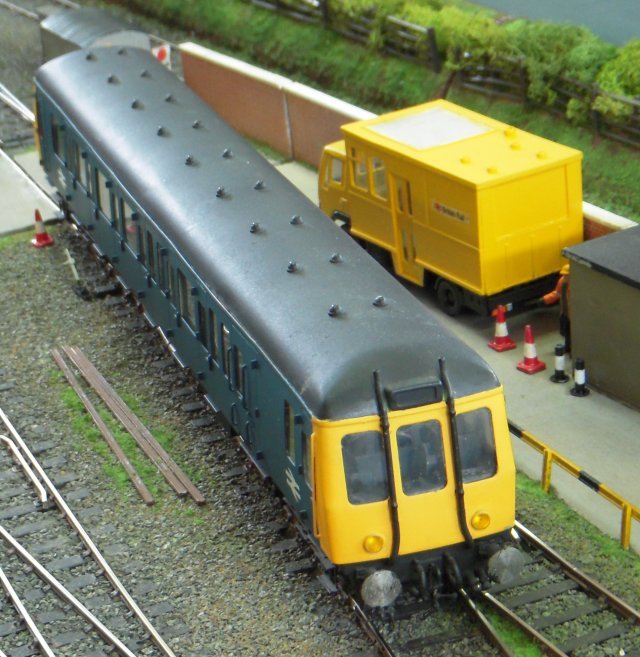
scratchbuilt. A number of the locomotives were also fitted with sound chips, and for connoisseurs of the Gloucester Railway Carriage and Wagon Company Limited a Class 122 diesel railcar complete with directional running lights also made an appearance. Similarly, the street at the front of Figges Marsh displayed an impressive range of 1/43 scale figures and matching die cast road vehicles, some of which were from the Oxford DieCast range. |
|||
|
|
|||
|
|
|||
|
|
|||
| CUMBERLAND
MINERAL RAILWAY
by Peter Bailey
0-16.5 Gauge 7mm Scale |
|||
|
|
|||
|
|
|||
|
|
|||
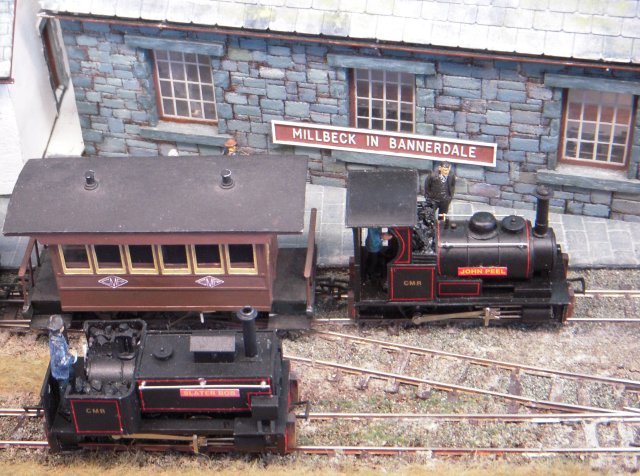
| Using 00 (16.5mm) Peco gauge track to
represent a narrow gauge in the 7mm scale originally associated with
7mm (1/43 scale) model railways, the fictional Cumberland Mineral
Railway operated in a quiet corner of the northern Lake District,
transporting slate, coppiced timber, bobbins from a mill, general
merchandise and passengers from Millbeck in Bannerdale to a junction
with the main line at Greystoke. In the years following the
closure of the Cumberland Mineral Railway Bannerdale was flooded to
create Bannermere Reservoir. Apart from the track, all other structures and vehicles were scratchbuilt including the four-coupled saddle tank locomotives "Slater Bob" and "John Peel" seen above and the Tralee and Dingle Railway inspired multiple unit seen below. In an inversion of the format used by British Rail's tilting Advanced Passenger Train, the Model T Ford engines are at the extreme ends of the train with room in the pitched roof centre car for newspapers and mail. |
|||
|
|
|||
|
|
|||
|
|
|||
| TEIGL TRAMWAY
by Rowland Binns
0-14 Gauge 7mm Scale |
|||
|
|
|||
|
|
|||
|
|
|||
|
There is a valley
called Cwn Teigl situated south east of Bleanau Ffestiniog which
seemed a good place to set an imaginary narrow gauge railway
that would have connected to the Festiniog Railway. There was a
junction on the main line from which a tramway branch climbed
steeply, partly following the road before entering a ledge on the
rocky hillside. Passing a slate quarry it disappeared into a tunnel
to serve the higher part of the valley. A slate works and a woollen
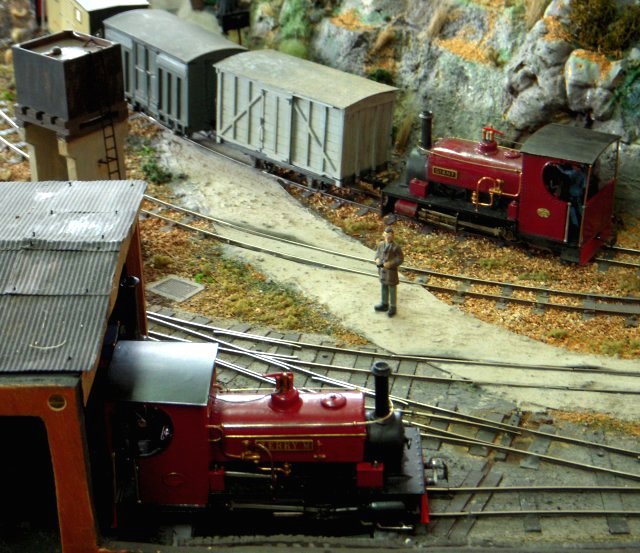
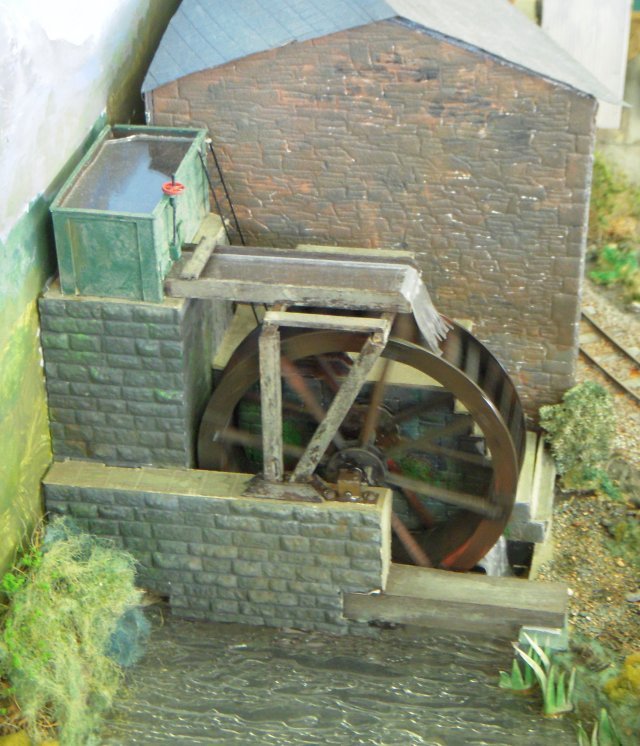
mill ( complete with operational water wheel) were also served by the main line. Teigl Tramway was built to 7mm scale ( the same as for 0 gauge ) but used 14mm gauge track to give the correct representation of 1' 11 1/2" gauge track used on the Festiniog, Penrhyn and Welsh Highland Railways. This choice of gauge - rather than commercially available 00 gauge 16.5mm track with wide spaced sleepers - meant that all trackwork had to be scratchbuilt and all rolling stock modified to run on it. Among the pleasant and remarkable scenic touches were the transparent sided locomotive shed complete with visible lathes and milling machines and the use of clear tape to represent the overshoot on the water wheel. |
|||
|
|
|||
|
|
|||
|
|
|||
|
WHEAL ELIZABETH by
Andrew Ullyott P4 Gauge 4mm Scale |
|||
|
|
|||
|
|
|||
|
|
|||
|
Built in response
to a challenge set up by the DEMU and Scalefour Societies, front
operated Wheal Elizabeth portrayed aspects of the Cornish china clay
industry including a slurry loading point based at Burngullow, a
bagged store similar to Ponts Mill and a coal fired dry and linnay,
emulating Great Wheal Prosper at Carbis Wharf. This coal
fired clay works closed in 1989 and was virtually unchanged since
the 1950s.
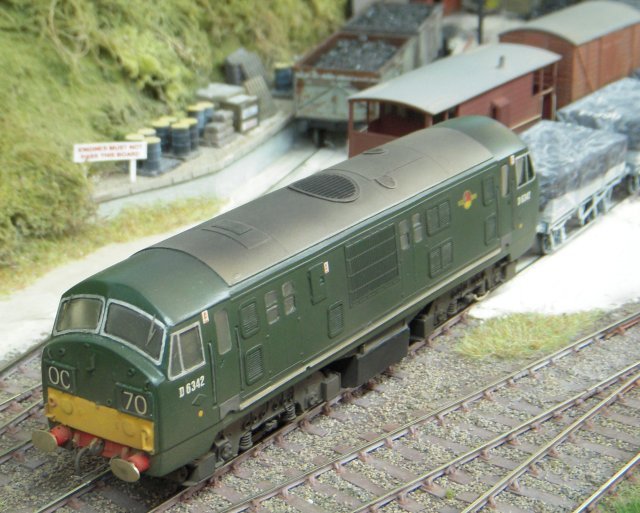
All locomotives modelled on Wheal Elizabeth (Cornish for Elizabeth Works) had been photographed on a clay train somewhere and in model form were hauling era-appropriate rolling stock. As such, motive power ranged from Beattie well tanks (such as 30587, seen above) circa 1958 through North British Class 22s ( like D6342, pictured below) to class 08s and 37s in the early 80s. Also appearing were diesel electric Types 2 and 3 on trip workings and a number of Type 4 mainline engines on running-in turns from St Blazey Depot. A public wharf (siding) also allowed some variety of rolling stock while the track was made using the ply and rivet method, C&L components and hybrid ply and plastic. |
|||
|
|
|||
|
|
|||
|
|
|||
| BISHOPSMEAD
by Ted Olney 00 Gauge 4mm Scale |
|||
|
|
|||
|
|
|||
|
|
|||
| Bishopsmead represented a busy
station located somewhere on the Western / Central division of the
LMS in the mid 1930s. In effect it was a terminus both for the main
part of the branch from the main line at the fictitious Castlebury
Junction and also for the trailing sub-branch to Smallcombe. Thus
all trains between Castlebury and Smallcombe had to reverse at
Bishopsmead - including some Great Western interlopers! Castlebury
and Smallcombe were represented by fiddle yards, a connection to an
industrial area at Bishopsmead was modelled and all buildings
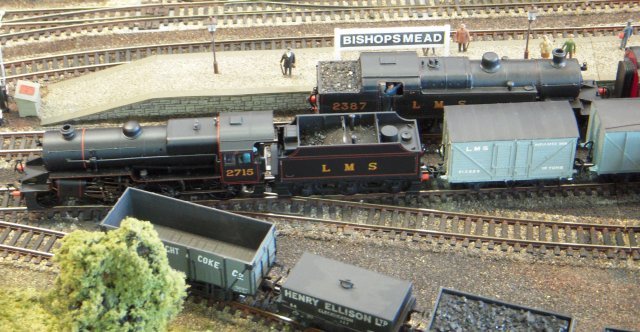
and rolling stock were either kit, modified kit or scratch built. LMS 2-6-0 2715 was the 00 gauge Bachmann equivalent of the N gauge 42806 sometimes featured on Terminal 1 and described in October Skies on this website while 1927 vintage Fowler designed 2-6-4T 2387 was the ancestor of the 80000 series British Standard tank engines. |
|||
|
|
|||
|
|
|||
|
|
|||
| GAS LANE
by Bob Vaughan 00 Gauge 4mm Scale |
|||
| |
|||
|
|
|||
| |
|||
| Following Condicote, which
featured in Issue 7 of Hornby Magazine, Bob Vaughan went on to build
Gas Lane to portray goods operation in an industrial setting.
This was inspired by a visit to England's last complete - but non
operational - gas works at Fakenham in Norfolk and the 1 435 x 406mm
compact layout can represent a wide variety of eras with different
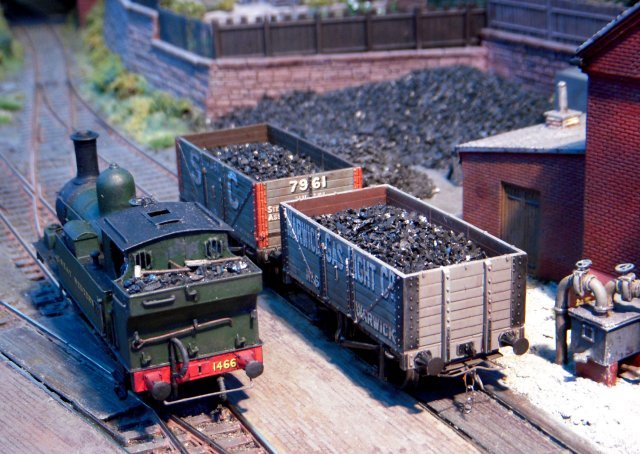
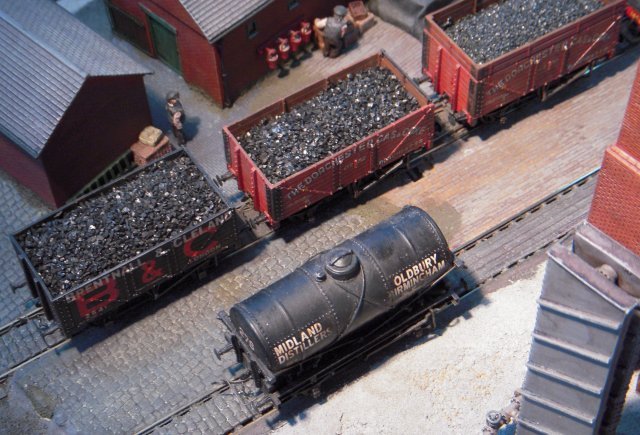
rolling stock. The green and white palette of the gas works manager's elevated house and garden made a pleasing contrast to the red and grey tones of the gas works itself and rail traffic included both open wagons to deliver the coal to the retorts and tank wagons, such as the Midland Distillers vehicle seen below next to the grey diagonally piped cooling stack, to take away the by products of the gas production process. A more detailed discussion of the coal gas works at Beckton can be found in The Pug Sextet on this website. Similarly, GWR 0-4-2T 1466 is further described in the context of the Dapol N gauge model on Terminal 1. |
|||
|
|
|||
|
|
|||
| |
|||
|
PALLET LANE
by Rob Owst
00 Gauge 4mm Scale |
|||
| |
|||
|
|
|||
| |
|||
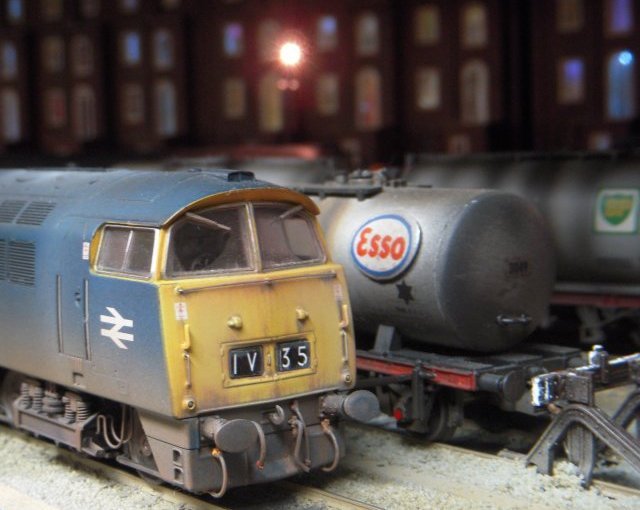
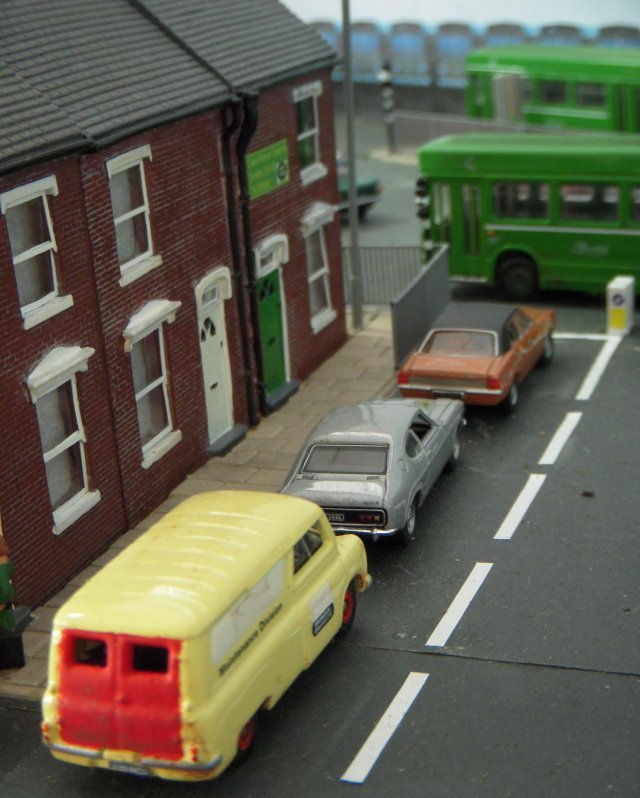
| Pallet Lane was an imaginary BR station set around 1977, inspired by the Severn Beach to Bristol branch and built on baseboards recovered from two forklift pallets. The line would have continued beyond Pallet Lane in pre Beeching times but nearby factories and oil and cement terminals ( pictured above) justified its continued survival and that of a DMU passenger service. Already known for his modelling demonstrations at St Margaret's Hall, Rob Owst had made a particularly fine job of the "distressed" scenery at Pallet Lane, especially the corrugated iron platform shelter which was weathered with real rust! The cement terminal was based on that at nearby Lawrence Hill and the fuel oil siding on the 8'6" x 1'6" layout was similar to ones around Shirehampton. However, the location of Pallet Lane can vary with the weathered BR blue stock used and a welcome addition for this show was the town area, including the Land Rover enthusiast's back yard behind the green door on the street pictured below. | |||
|
|
|||
|
|
|||
| |
|||
| THOMAS by Cheltenham GWR Modellers 00 Gauge 4mm Scale | |||
|
|
|||
|
|
|||
|
|
|||
| On this occasion, courtesy of a
repaint by Robert Webb, Thomas the Tank Engine had a new friend -
Mike the Mogul! Bearing the number 71 - the same age as show
organiser Mike Walker - the blue 2-6-0 was based on the LMS
Ivatt introduced in 1946 and forming the basis for the Derby
designed
British Standard 2MTs. While Sir William Stanier’s brief when he was appointed Chief Mechanical Engineer of the LMS in 1932 was to resolve the shortage of high powered locomotives available to the company, by the time of George Ivatt’s appointment as the CME of the LMS in 1945, some of the less powerful locomotive classes had come to the end of their useful lives and needed to be replaced.
With a low axle loading of 13
tons 15 cwt, this design was intended for cross country
and branch line working. The covered tender with inset coal bunker
was designed to provide good visibility and weather protection for
the crew when running tender first.
Crewe continued
to build Class 2s with 15 locomotives completed in 1948 and 30
in 1950 with a cut down cab and standard BR fittings. Darlington
then built 38 Ivatt moguls in 1951/52 for service on the Eastern and North Eastern
regions while Swindon built 25 locomotives for the Western Region in
1952/53.
The class was withdrawn from service during the
period 1961 to 1967 and seven British Railways built examples have
been preserved. |
|||
| |
|||
|
BARTON HILL by Stan Potter
N Gauge 2mm Scale |
|||
| |
|||
|
|
|||
| |
|||
| Until
recently, if you were travelling either North or East from Bristol
Temple Meads and looked out of the carriage window you would have
seen the English, Welsh and Scottish Railways Depot at Barton Hill.
This is now hidden by more recent buildings, but just a few years
ago it was a Rail Express Services Depot hosting a range of red
liveried postal rolling stock.
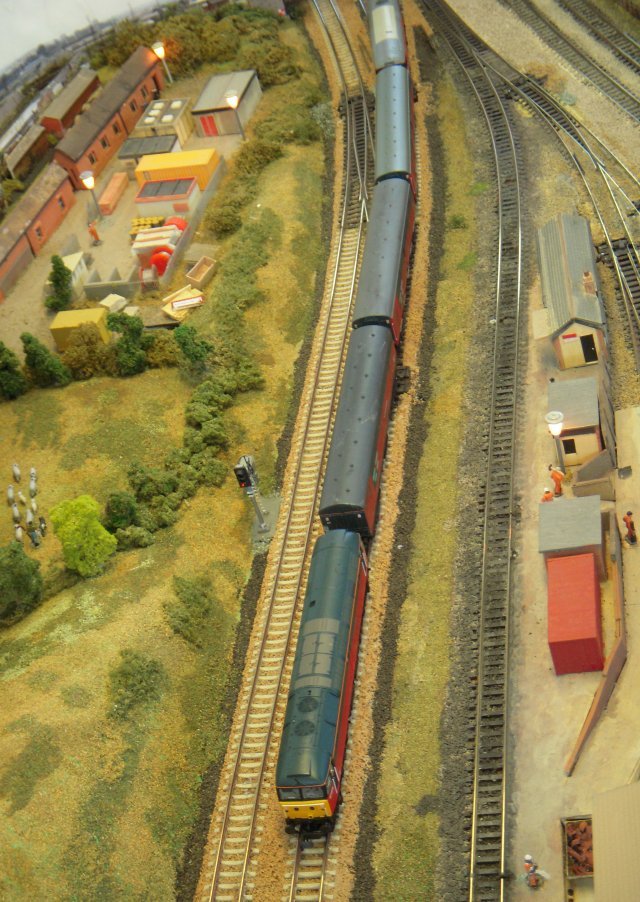
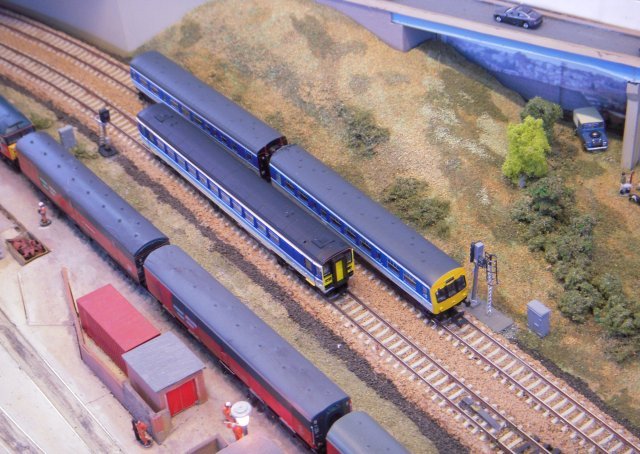
The baseboard of this layout was made of plywood with PECO track ( with PECO electrics ) laid on a cork base and the DG couplers on the in-depot RES rolling stock could be worked with in-track electromagnets, as could the home made couplings on the Railfreight wagons. Now that Barton Hill - originally built more than five years ago by Don Dickson of Nailsea & District MRC - is owned by Stan Potter the trompe d'oeil elevated road bridge has been extended into a third dimension to carry model vehicles and new buildings and working lights have been fitted to the depot itself. |
|||
|
|
|||
|
|
|||
|
|
|||
| POLPENDRA
by Simon Addelsee
N Gauge 2mm Scale |
|||
|
|
|||
|
|
|||
|
|
|||
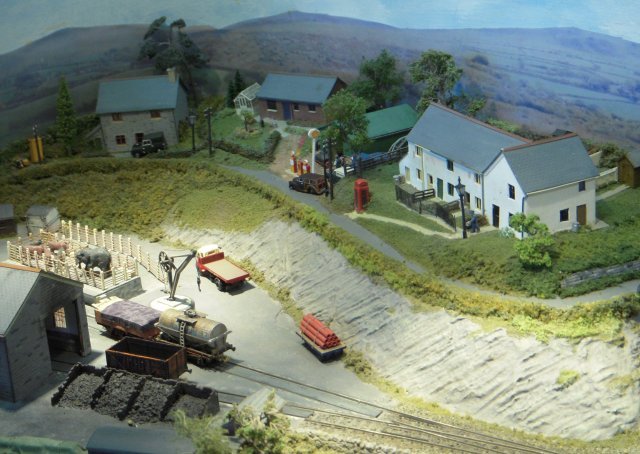
| Polpendra was a small terminus
station at the end of a Y shaped track formation somewhere west of
Dartmoor in Devon. One arm of the Y led to the main line -
over which both Southern and Western Region trains operate - and the
other to a small china clay works, hence the china clay trains
running in and out of Polpendra with the locomotives uncoupling and
changing ends. In an echo of Wheal Elizabeth described above, some of the four wheel open china clay wagons were hauled by North British Class 22 diesel hydraulics while one animal pen in the goods yard played host to an elephant. As late as the 1960s circus animals were often transported by rail and one of my lasting childhood experiences is of my father taking me as a toddler to see the elephants arriving at the bay platform at the western end of Gloucester Central. Having walked down the ramp at the end of their covered van, the elephants then proceeded through the City to the big top at The Oxlease, each one holding the tail of the pachyderm in front with its trunk. |
|||
|
|
|||
|
|
|||
|
|
|||
|
RED RIVER by Tony Comber
N Gauge 2mm Scale |
|||
|
|
|||
|
|
|||
|
|
|
||
|
|
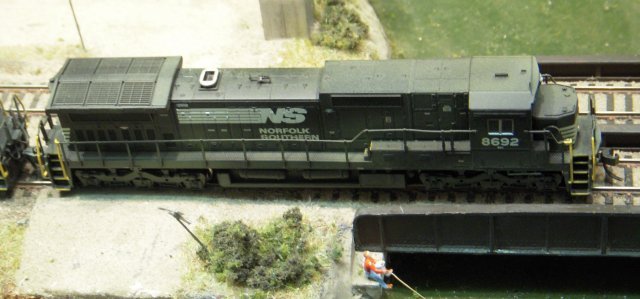
Set in the coal mining region of
the Appalachians, Red River represented scenes from the last decade
or so on what is now the Norfolk Southern (NS) railroad. The NS was
the result of a merger between the Norfolk and Western and Southern
Railroads. The Southern Railroad was noted for the efficiency of
its operations and the Norfolk and Western for its coal hauling.
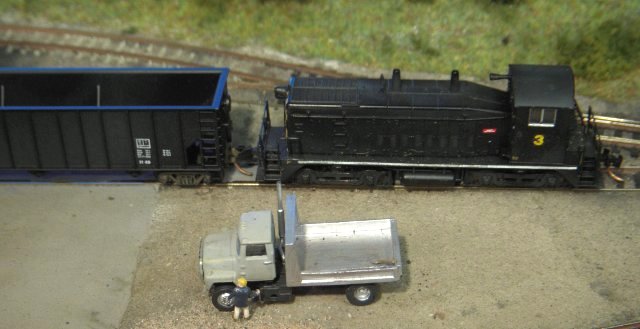
The mine on the upper level was typical of an older type of installation during the last days of its life loading bottom-discharge hopper cars bound for the few industries that still needed this type of unloading. The cars were taken from the mine and eventually reached an interchange with the main tracks on the lower level. On the lower level could be seen the modern unit coal trains which need rotary tipplers to empty them as they do not have bottom doors. These cars run in long block trains from the mines to the power stations or other big users. Other trains to be seen included those carrying wood chips in very large gondolas, roadrailers, manifests ( mixed trains to us Brits! ), intermodal workings and MoW ( Maintenance of Way, or engineer's ) trains. Red River featured in the January and February 2005 editions of Continental Modeller. First built for Union Pacific in the late 1980s by General Electric, DASH 8-40C diesel electrics like Norfolk Southern's 1990 vintage 8692 pictured above were identified by an enlarged exhaust stack and the mounting of the dynamic brake grids in a quadrilateral unit behind the cab, which housed an enlarged equipment blower fan. These six-axle, 4,000 hp engines are still in service today in North America. |
||
|
|
|||
|
|
|||
| |
|||
| MODEL BUS FEDERATION represented by Paul Mellor 4mm Scale | |||
| NATIONAL
ASSOCIATION OF ROAD TRANSPORT MODELLERS
represented by David Mellor 4mm Scale |
|||
| |
|||
|
|
|||
| |
|||
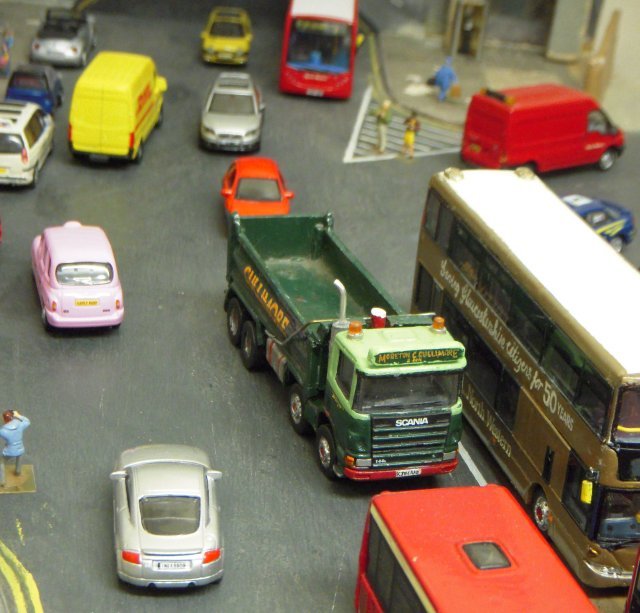
| With transport enthusiasts out in
force to take pictures just outside Brocklecote Bus Station, the
North Western Road Car Company (Glos) Golden Jubilee commemorative
double decker bus was overtaken at a bus stop by the
Moreton C.
Cullimore 8x2 rigid chassis tipper scratchbuilt by
The Mellor Brothers. This featured a single exhaust stack
behind the cab and automatic sheet loader to enable the aggregate
load to be covered with just the movement of a control in the cab as
modern Health and Safety laws forbid drivers to climb on their loads
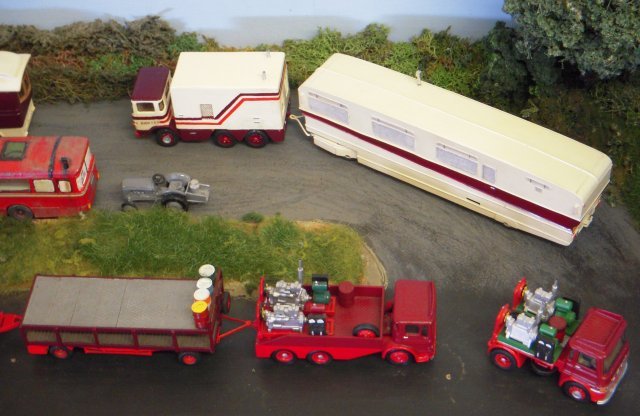
or even open the tailgate manually. The
generous spirit of Paul and David Mellor was also displayed by
allowing some of Robert Webb's fairground vehicles to be posed next
to Jen's Red Hot Food Bus on the
diorama that they have now
named Drewett's Lane Layby. Thanks Guys! |
|||
| |
|||
|
|
|||
| |
|||
| TRAVEL 2000 LTD by Andy Peckham 4mm Scale ( Sunday only ) | |||
| |
|||
|
|
|||
| |
|||
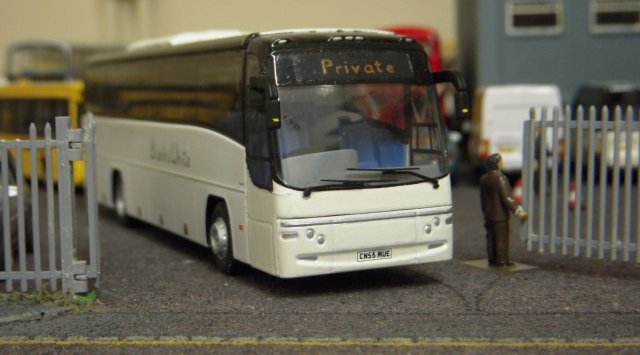
| Through the gates of Travel 2000
Ltd in April 2012 came both a brand new Plaxton Panther bodied Volvo
B12B in the
markings of Black and White luxury coaches and one of the denizens of
the Provincial Road Car Company long distance fleet from the 1970s, now lovingly
restored by historic coach enthusiasts and making a sentimental
return. Its Bristol RE body has a high floor with a 6 cylinder Gardner diesel engine and luggage space over a coach interior fitted with 42 seats, a toilet, front entrance and American type slanted windows - hence the designation REMH C42FT6G. It was originally designed for long motorway journeys between Glasgow, Edinburgh and London. |
|||
|
|
|||
|
|
|||
| |
|||
| THE GRUMMAN STORY by Alan Drewett 4mm scale | |||
| |
|||
|
|
|||
| |
|||
|
The Grumman Aircraft Engineering Corporation was founded on 5 December 1929 by Leroy Grumman and four of his fellow former Loening Aircraft Engineering Corporation employees when Loening was bought by the Keystone Aircraft Corporation and operations moved from Long Island, New York, to Bristol Pennsylvania. Starting work on 2 January 1930, Grumman began welding aluminium tubes for truck frames - with motor vehicle and canoe building becoming profitable alternatives to aircraft manufacture until Grumman merged with Northrop in 1994. However, Leroy Grumman's long association with the United States Navy began with his design for the first practical seaplane floats with retractable wheels, followed by his first complete aircraft, the FF-1 biplane also with retractable wheels. During World War II Grumman became known for its F4F Wildcat and F6F Hellcat fighters as well as the Avenger torpedo bomber and Gosling twin engined amphibious flying boat. The F9F Panther of 1949 marked Grumman's entry into the jet age followed by the swept wing Cougar and variable geometry F-14 Tomcat of "Top Gun" film fame. Also serving with the US Navy were the A-6 Intruder and EA-6 Prowler jets along with the piston engined anti-submarine S-2 Tracker and turboprop E-2 Hawkeye flying radar stations. Grumman also built the Lunar Excursion Module which landed twelve Apollo astronauts on the Moon as well as the wings and vertical stabiliser of the Space Shuttle orbiter as sub-contractor for Rockwell. In 1969 the company changed its name to Grumman Aerospace Corporation, and in 1978 it sold the Grumman-American Division to Gulfstream Aerospace. In 1990 the Outboard Marine Corporation bought Grumman's boat building division and after the last Grumman designed canoe was produced in 1996 former Grumman executives formed the Marathon Boat Group to keep the name and design - as seen in the film "Deliverance" - alive. Meanwhile Grumman Olson P-600 and P-6800 aluminium stepvan bodies were produced for parcel carrier UPS as well as Firecat fire engines and the 1986 vintage Long Life Vehicle for United States Postal Service deliveries. Unfortunately for all concerned, Sunday 15 April saw the popular trader Castle Trains of Warwick break down en route to the Cheltenham GWR Modeller's Exhibition. However, this allowed the Lunar Module pictured below to be moved on to a vacant table on the stage and thus alert visitors to the other Grumman aircraft on show. |
|||
|
|
|||
|
|
|||
| |
|||
|
MODELLING DISPLAYS
by Steve Adcock, Mark Begley, Andi Dell and Steve Harrod |
|||
| |
|||
|
|
|||
| |
|||
|
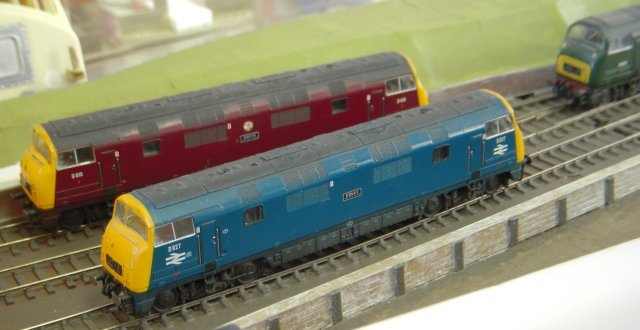
What a difference a year makes! The 2mm finescale Warship diesel hydraulics looked just as good but the scenery of their diorama was now complete. |
|||
| |
|||
| Also in attendance were
Cheltenham
Model Centre (Saturday)
,Clive
Reid (RCSW Models) Iron Horse Videos, Railway Resprays (Jason
Hannant),
Penduke Models,
Stewart Blencowe
railway books, timetables and photographs and
Robbie's Rolling
Stock (Saturday). DVDs of the Cheltenham GWR Modellers Exhibitions from 2006 onward are now available from Richard Pretious of Iron Horse Video Productions based at 77 Tilney Close, Alton, Hampshire, GU34 2BG. |
|||