| Home |
CHELTENHAM GWR MODELLERS GROUP
|
||
| |
|||
| SPONSORED BY | |||
|
|
|||
 |
|||
|
|
|||
|
THE NEXT EXHIBITION WILL BE HELD ON SATURDAY 25 AND SUNDAY 26 OCTOBER 2014 |
|||
| |
|||
|
Click here for Introduction and future exhibition information |
|||
| |
|||
|
|
|||
| |
|||
| |
|||
|
|
|||
| |
|||
| |
|||
|
|
|||
| |
|||
|
|
|||
| |
|||
 |
|||
| |
|||
|
|
|||
| |
|||
| |
|||
|
|
|||
| |
|||
|
|
|||
|
|
|||
|
|
|||
| |
|||
|
|
|||
| |
|||
| |
|||
|
|
|||
| Click on picture for review of October 2009 | |||
|
|
|||
| Click on picture for review of April 2010 | |||
|
|
|||
|
|
|||
|
|
|||
|
|
|||
|
|
|||
|
|
|||
|
|
|||
|
|
|||
|
|
|||
|
|
|||
|
|
|||
|
|
|||
|
|
|||
|
|
|||
|
|
|||
|
LAYOUT AND ATTRACTION REVIEW |
|||
|
|
|||
| BILLINGHAM
STREET
by Les Williams 0 Gauge 7mm Scale |
|||
|
|
|||
|
|
|||
|
|
|||
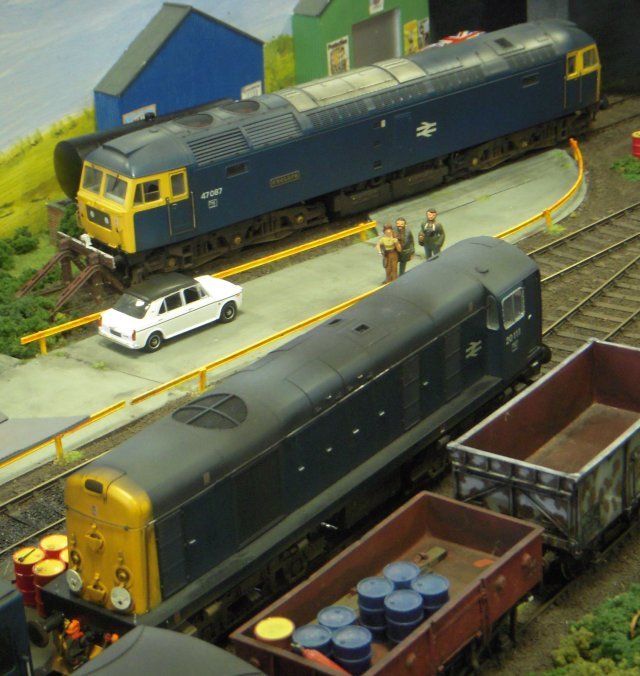
| Billingham Street was a small stabling point near Billingham in the North East of England servicing collieries in the area. The layout was built to show how much 0 Gauge layout can fit into a small space and featured ready to run and kit built rolling stock by Heljan, Bachmann, DJH alongside Lansdown, Vanguard and Corgi road vehicles. | |||
|
|
|||
|
|
|||
| |
|||
| |
ABERCYNON FACH
by Brian Tucker (Saturday Only) 00 Gauge 4mm Scale |
||
|
|
|||
|
|
|||
|
|
|||
| When Brian Tucker was a lad of about seven in 1962, his father used to take him to work delivering petrol to garages in the Welsh valleys. One forecourt was above Abercynon shed (88E) and this 48" x 16" DCC sound layout with 75 SMP track offered a flavour of his memories during 1957 to 1967 with ex Great Western and British Standard tank engines working alongside diesel classes 37, 14 and 08. | |||
|
|
|||
|
|
|||
|
|
|||
|
BUDEMOOR JUNCTION by
Barrie Blackmore 00 Gauge 4mm Scale |
|||
|
|
|||
|
|
|||
|
|
|||
|
Budemoor was a fictitious junction on the borders of North Devon and
Cornwall, just off the Exeter / Okehampton / Plymouth line to Bude
and Bude Harbour, busy with the export of stone, slate and minerals
and the import of high quality Welsh coal for the static steam
engines of the Cornish mines. Steep gradients meant that many
branch lines had weight restrictions requiring two manned brake vans
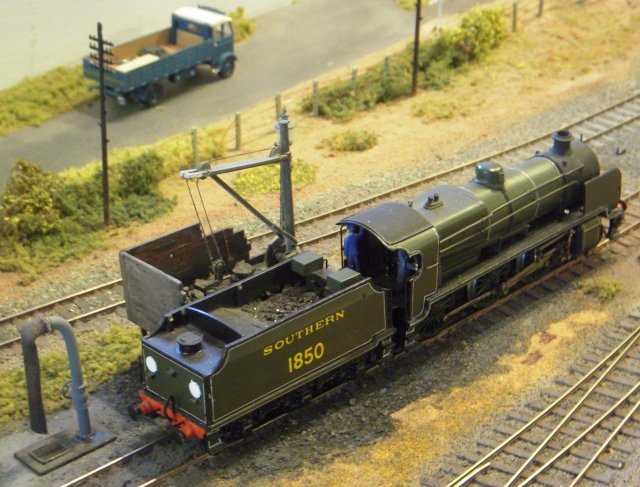
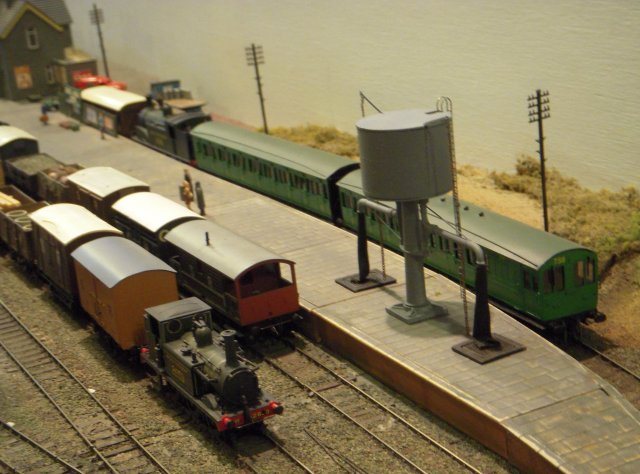
for trains of more than ten goods wagons. Locomotives and rolling stock were visible from all over the Southern Railway and its pre Grouping constituents in an era before Nationalisation and the closures that created the Southern Region's "Withered Arm" in the far west. In particular I liked the green two-car push-pull set powered by Drummond Class M7 0-4-4T 249, seen below alongside a peripatetic Brighton Terrier, and Maunsell designed Class N 2-6-0 1850, seen taking on coal above |
|||
|
|
|||
|
|
|||
|
|
|||
|
EVERBURY
by Mike Kelly 00 Gauge 4mm Scale |
|||
|
|
|||
|
|
|||
|
|
|||
| Everbury was a fictitious
location near to Shepton Mallet on the Somerset and Dorset section
of British Railway's Western Region. It was assumed that this
railway - made famous by the photographs of Ivo Peters - was not
closed in 1966 for political and strategic reasons but survived
mainly as a single line over the Mendips from Bournemouth to Bath.
As in the days of steam, trains had to negotiate many viaducts and
tunnels and 47 404 "Hadrian" - so named between 1982 and 1987-
is seen below with a train of Mark 1 stock on the main line towards
Bath. The parallel viaduct in the background carried a branch line
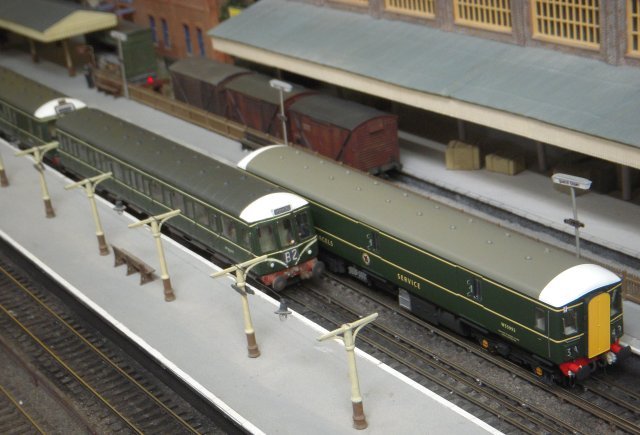
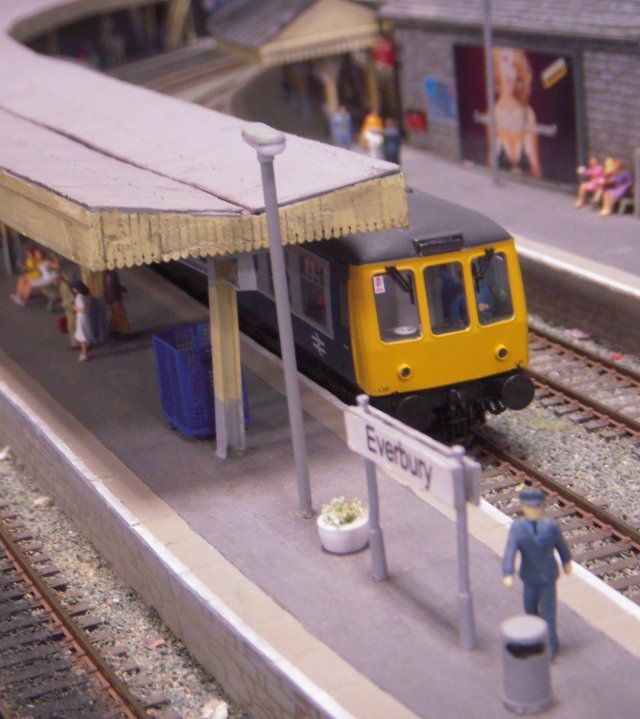
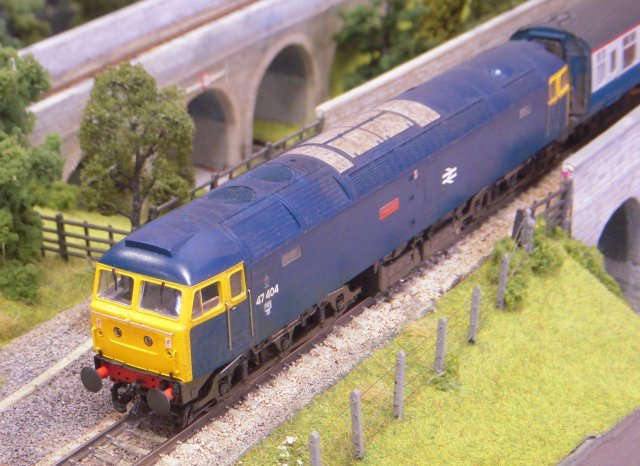
down to Highbridge. The sound-chipped DCC layout portrayed the "Slow and Dirty" as it might have been in the 1970s and 80s with trains of the time still following a largely 1960s timetable. Buildings were scratchbuilt with two different designs of platform canopies - those on the Up side being based on Glastonbury with the Down side modelled on the Art Deco style of Templecombe. I particularly enjoyed the lighting and composition on the shot above, with the front of the first generation DMU and platform canopy end on the focal plane and the girl in the white dress just to their left being given a painterly, Jack Vettriano type illumination. Just as on Terminal 1, an advertisement featuring Eva Herzigova helps establish the limits of the background. |
|||
|
|
|||
|
|
|||
|
|
|||
|
UNIVERSAL WORKS IN "FUNNY BUSINESS"
by Alan Drewett
00 Gauge 4mm scale |
|||
|
|
|||
|
|
|||
|
|
|||
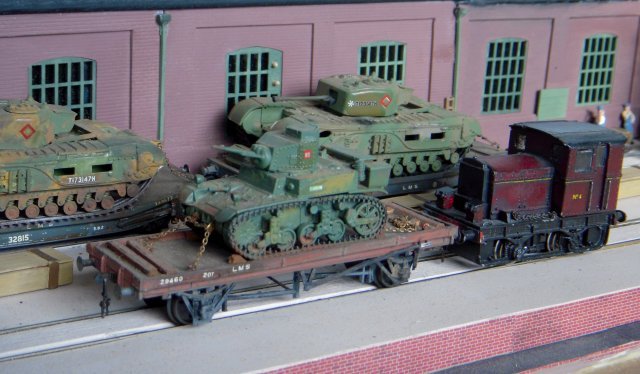
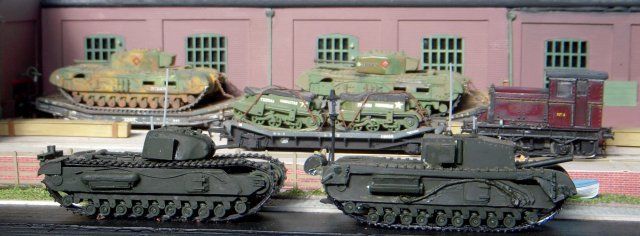
| In the closing months of the Second World War much of British industry was busy producing vehicles for the final assault on Hitler's Festung Europa. Universal Works had specialised in repairing gun tanks and modifying some of them into specialist machines following the lead of Major General Sir Percy Hobart and his so called "Funnies" which helped make the D-Day landings in Normandy a success. As a result, a convoy of tracked armour was ready to leave the road outside while other weapons and vehicles moved around the works courtesy of the motive power available at the time. Click here for more details. | |||
|
|
|||
|
|
|||
|
|
|||
| NEPTUNE ROAD
by George Kinsman 00 Gauge 4mm Scale |
|||
|
|
|||
|
|
|||
|
|
|||
|
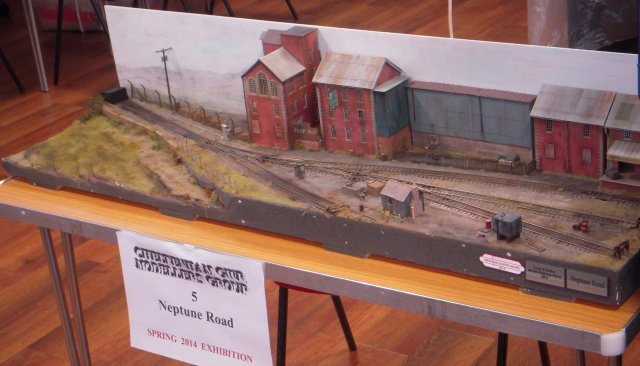
Neptune Road was a small sound-chipped DCC
operated inglenook shunting puzzle with steam and diesel motive
power from the 1960s, put perhaps more remarkably it was made from a
single sculpted block of expanded polyurethane stiffened on the
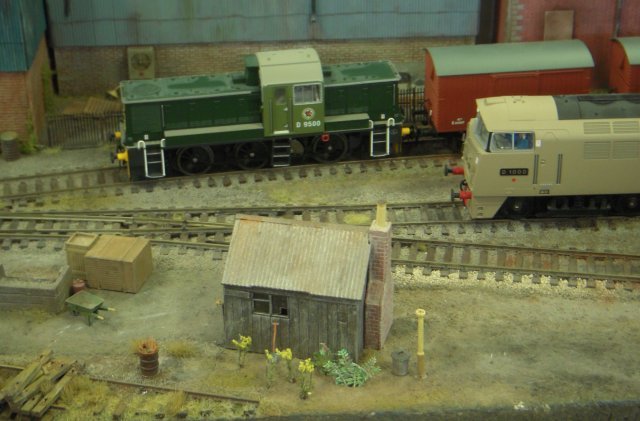
underside with wood. For this reason I stood back to capture the entire layout - and its front-control wire-in-tube point rodding - in one frame as well as photographing the lead engines of Classes 14 and 52 below next to the platelayer's garden. |
|||
|
|
|||
|
|
|||
|
|
|||
| RANELAGH BRIDGE
by Paul Rolley 00 Gauge 4mm Scale |
|||
| |
|||
|
|
|||
| |
|||
| Ranelagh Bridge was a
representation of the Western Region stabling point situated on the
approach to Paddington Station set firmly during the reign of the
Hydraulics. Corporate blue was the only colour seen - further
narrowing the epoch to 1965-1977 - but DCC sound was also evident on
an atmospheric layout set at night with its evocative mix of
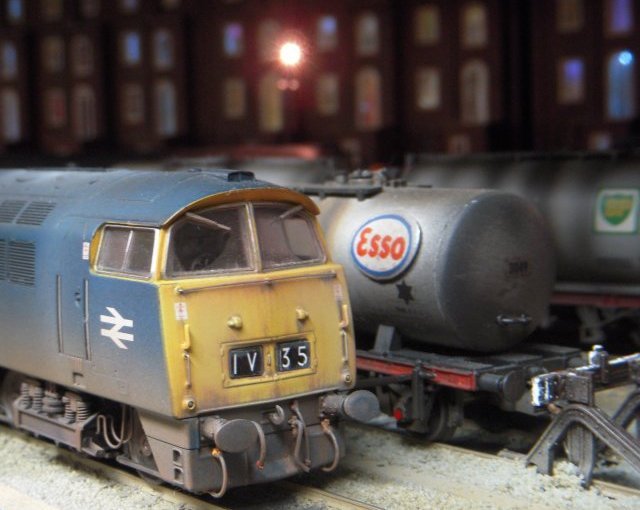
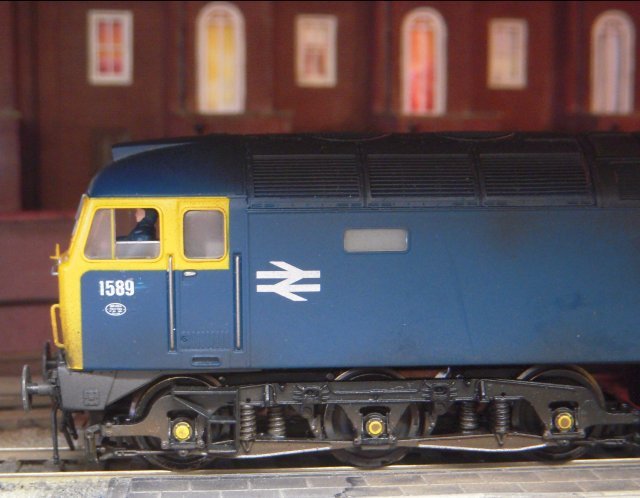
tenement window and yard illumination. D1034 "Western Dragoon" was the last member of its class to be built at Crewe rather than Swindon, being outshopped with Maroon livery on 15 April 1964 and only changing to Monastral Blue with full yellow ends on 18 March 1969, markings it would keep until withdrawal on 8 October 1975. 1589 - the D prefix having been dropped with the end of steam in 1968 - was also built at Crewe and entered traffic on 29 May 1964. It was renumbered as 47 465 in February 1974 and acquired the unofficial name "Minerva" at Tinsley on 6 March 1991 before withdrawal in 1994 and scrapping in 1997. |
|||
|
|
|||
|
|
|||
| |
|||
|
STUDLEY ROAD
by Richard Webb 00 Gauge 4mm Scale |
|||
| |
|||
|
|
|||
| |
|||
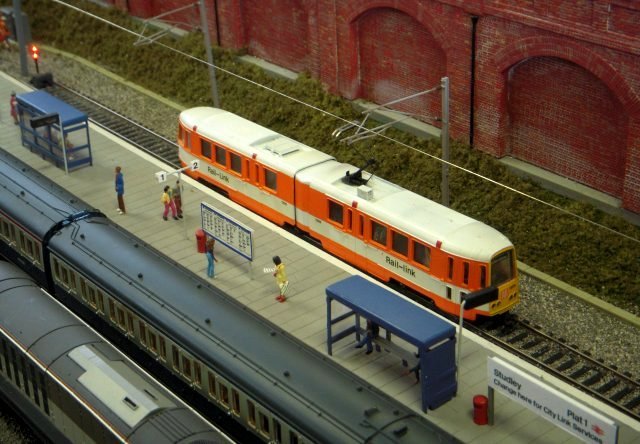
| Studley Road has been associated with Richard Webb on and off for almost a decade now and appeared at Cheltenham representing diesel multiple unit services in the north west of England during the Sectorised era of British Rail. New features included a Light Rapid Transit system, extended platforms, new bridge and industrial units and a car dealership covering the fiddle yard. | |||
|
|
|||
|
|
|||
|
|
|||
| THOMAS by Cheltenham GWR Modellers 00 Gauge 4mm Scale | |||
|
|
|||
|
|
|||
|
|
|||
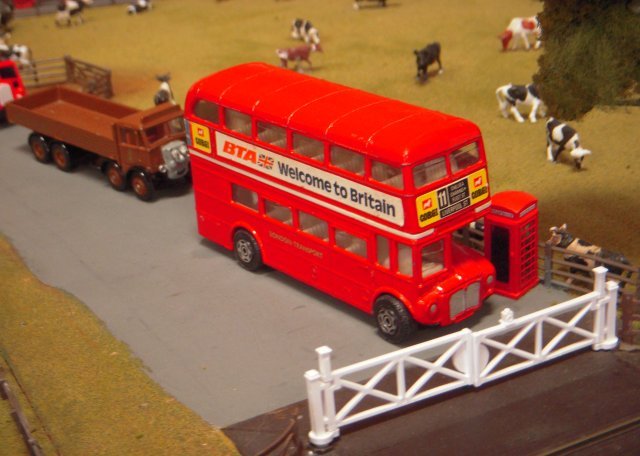
| Once again very popular with the younger visitors, the Thomas layout included a Furness Railway liveried saddle tank engine at the had of a freight train mainly composed of road vehicles on flat cars as well as a Corgi model of a London AEC Routemaster bus next to another classic British design, Sir Giles Gilbert Scott's red telephone kiosk. Rather spookily, a few days after the show, I received a birthday card with a picture of the exact same pairing! What were the odds of that coincidence? Rather than the route 11 on Sodor however, The Heart of the Garden Ltd's London Calling depicted a Routemaster on the Number 13 from Finchley Road to Golder's Green Station. | |||
|
|
|||
|
|
|||
|
|
|||
|
|
|||
|
|
|||
| BAD HORN
by Richard Bucknall H0 Gauge 3.5 mm Scale |
|||
|
|
|||
|
|
|||
|
|
|||
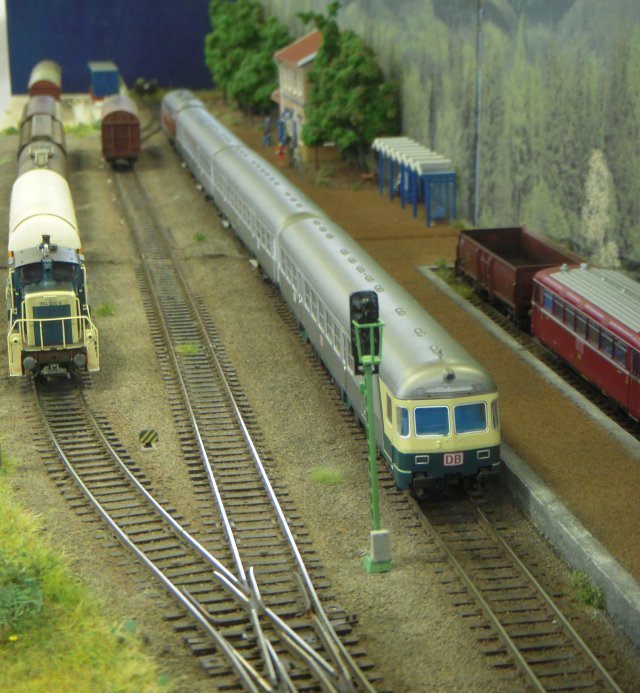
| Bad Horn represented a branch
line terminus in the Teutoburg Forest in the Central German Uplands
around the year 2000. The stations saw passenger trains from
Paderborn formed of railcars or push-pull coaches as well as
wagonload freight services. Although the railways of Germany
had been unified a few years previously, the rolling stock was still
predominantly of Bundesbahn origin and still carrying West German
liveries. The trackwork was by Piko, the working signals by
Viessmann and DCC train control by Roco. The layout can also
be operated with Deutsche Reichsbahn stock to represent the Ore
Mountains in Saxony although strictly speaking the signals would be
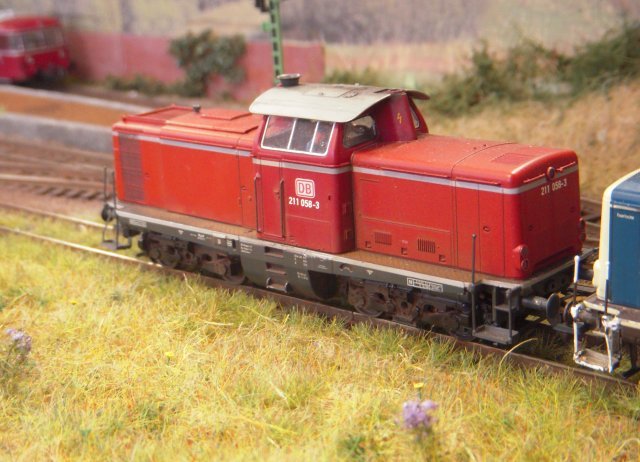
incorrect for this area. A German railfan from Bad Driburg near Paderborn has since commented: "The builder of that layout has a profound knowledge of German railways! It is very accurate for a layout showing the early 1990s in West Germany. Even the small shelter for the passengers has the right colours. "Bad Horn" is an interesting name indeed. A place nearby is called "Horn - Bad Meinberg". It is the station for the two small towns of "Horn" and "Bad Meinberg" - the word "Bad" meaning Spa." |
|||
|
|
|||
|
|
|||
| |
|||
| ASHBROOK
by John Thomas TT Gauge 3mm Scale |
|||
| |
|||
|
|
|||
| |
|||
| This fictitious 1950s layout was based on the concept that the Midland & South Western Junction Railway continued as a secondary route through the Cotswolds despite the Great Western Railways endeavours to rationalise it during previous years. Trains of former LMS and GWR stock could thus be seen on the 11'6" long by 20" scenic section between fiddle yards. | |||
|
|
|||
|
|
|||
|
|
|||
| ELMFIELD
by David Westwood N Gauge 2mm Scale |
|||
|
|
|||
|
|
|||
|
|
|||
|
Elmfield was a small town in
north Worcestershire on the edge of the Black Country, which kept itself
very much to itself until coal was discovered in the early 19th Century.
It was then dragged kicking and screaming into the industrial revolution
by the arrival first of the canal and then by the railway in the 1880s
by way of a branch from the Oxford, Worcester and Wolverhampton at
Stourbridge Junction. The coal ran out in the 1920s but by then
large deposits of fireclay had been found, and the production of
firebricks and pipes had become the main industry. Elmfield depicted the station and exchange sidings in the early 1960s before the Beeching Axe removed the passenger services in 1964. The use of firebricks and clay pipes was also in severe decline at this juncture and goods traffic ceased completely on the closure of the works in 1967. |
|||
|
|
|||
|
|
|||
|
|
|||
|
OWZAT
by John Malpus N Gauge 2mm Scale |
|||
|
|
|||
|
|
|||
|
|
|
||
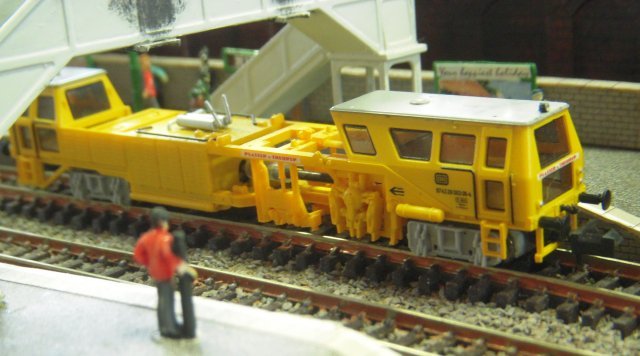
| Owzat was a scenic N gauge layout that showed how much could be seen in a 4' x 2' space - namely a station on the figure of eight single track with passing loop serving a village complete with playground, church and local cricket team. Among the small trains were DMUs, Thomas and Percy and a Hobbytrain Plasser Theurer Duomatic on-track machine. | |||
|
|
|||
|
|
|||
| |
|||
| MODEL BUS FEDERATION represented by Paul Mellor 4mm Scale | |||
| NATIONAL
ASSOCIATION OF ROAD TRANSPORT MODELLERS
represented by David Mellor 4mm Scale |
|||
| |
|||
|
|
|||
| |
|||
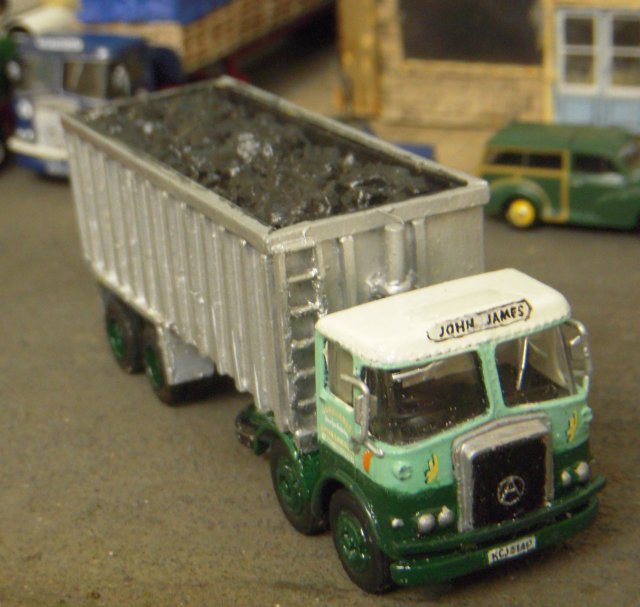
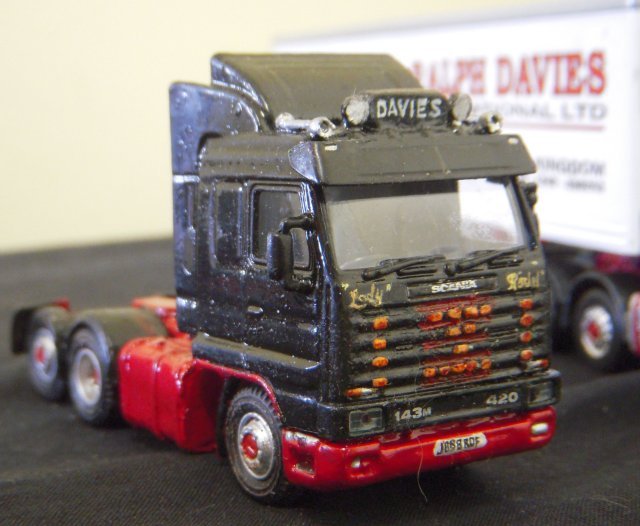
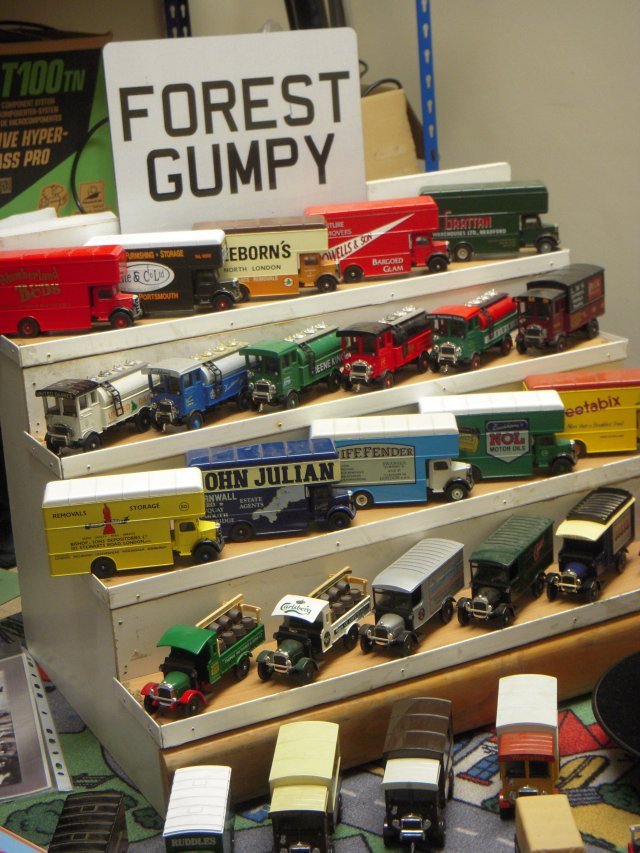
| Among the Mellor Brother's displays of Gloucestershire lorries were a tipper bodied Atkinson Defender in the colours of John James of Upper Lydbrook - seen leaving the River View Cafe - and a Scania 143 6x4 day cab unit in the markings of Cheltenham based Ralph Davies. | |||
| |
|||
|
|
|||
| |
|||
| TRAVEL 2000 LTD by Andy Peckham 4mm Scale ( Sunday only ) | |||
| |
|||
|
|
|||
| |
|||
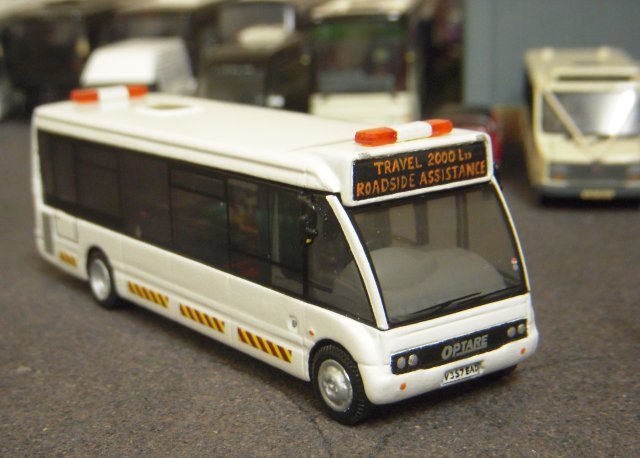
| Meanwhile, an Optare Solo specially equipped as a travelling workshop for the roadside assistance of broken down PSVs was a new addition to the Travel 2000 fleet. | |||
|
|
|||
|
|
|||
|
|
|||
| TONY'S TOYS by Tony Ingram 1/50 Scale | |||
|
|
|||
|
|
|||
|
|
|||
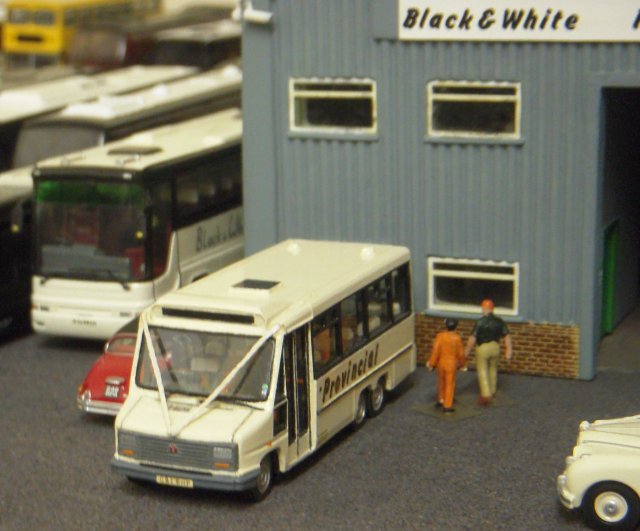
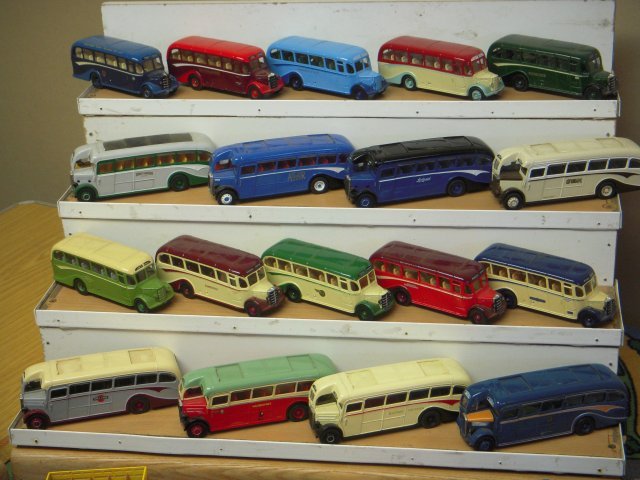
| Making a welcome return to St Margaret's Hall for CLIC Sargeant and also well known on the outdoor vintage transport show scene was Churchdown based Tony Ingrams with his 1/50 scale display of buses and lorries. | |||
|
|
|||
|
|
|||
|
|
|||
|
MODELLING DISPLAYS
by Mark Begley, Andi Dell, Trevor Hale and Steve Harrod |
|||
| |
|||
|
|
|||
| |
|||
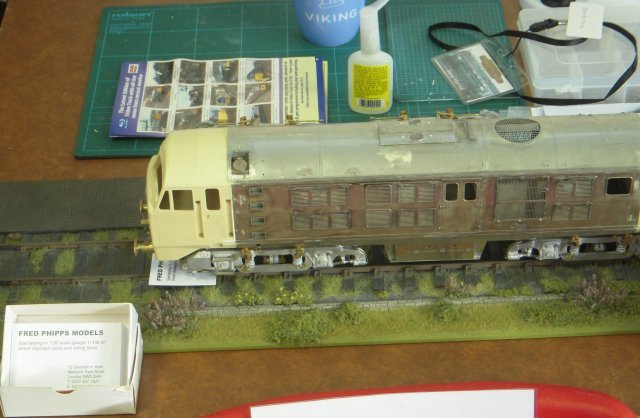
| With the ready to run Dapol 00 Class 22 B-B finding homes on a number of layouts at St Margaret's Hall it was interesting to see a much larger scale version continuing to be built as part of the traditional modelling demonstration. The card is for Fred Phipps Models ( 1/32 scale Gauge 1 British locomotive and rolling stock kits ) of 15 Silverbirch Walk, Maitland Park Road, London NW3 2HH 0207 267 7527 fphippsz@yahoo.co.uk | |||
| |
|||
| Also in attendance were
Cheltenham
Model Centre (Saturday)
, Castle Trains
(Sunday) Clive Reid (RCSW Models), Iron Horse Videos( Saturday
only),
Penduke Models ,
Stewart Blencowe
railway books, timetables and photographs,
Robbie's Rolling
Stock (Saturday only) and the Festiniog Railway as
well as a stand-alone display case of
Wynn's Transport DVDs of the Cheltenham GWR Modellers Exhibitions from 2006 onward are now available from Richard Pretious of Iron Horse Video Productions based at 77 Tilney Close, Alton, Hampshire, GU34 2BG. |
|||
|
|
|||
| AND FINALLY | |||
|
|
|||
|
|
|||
|
|
|||
| Model railway exhibitions bring
like minded people together, and once again I was pleased to host
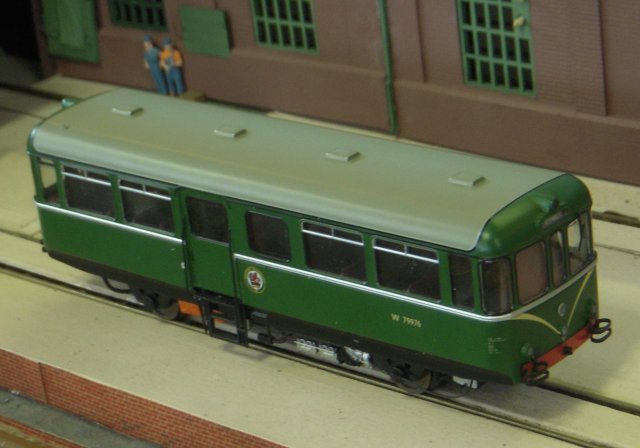
some of Roger Webb's new motive power on Universal Works. The Heljan model of AC Cars W79976 (pictured above) and Hornby's 4wDM Sentinel Diesel Shunter (seen in NCB markings, below) were both familiar sights on Britain's railways in the 1960s and both powerful models ran well on my simple layout. W79976 was built by AC Cars in 1958 and delivered to the Western Region for staff training in August of that year. Alongside classmates W79975, W79977 and W79978, it was put to work on the Kemble-Cirencester Town and Kemble-Tetbury branch lines from February 1959 until closure in April 1964. W79976 and W79975 were used on services between Yeovil Town and Yeovil Junction starting from December 1964. When Yeovil Town closed in October 1966 the services continued through to Yeovil Pen Mill but the railbuses soon found themselves displaced by larger DMUs. As with the other AC Cars railbuses, W79976 was transferred to Scotland in January 1967 and operated around Ayr, chiefly on the branch line to Kilmarnock. However it did not last long in service and in January 1968 it was officially withdrawn. Following withdrawal from BR and storage at Ayr TMD it has spent time at Bleadon and Uphill station museum, the Bodmin & Wenford Railway, County School Station Mid Norfolk, the Colne Valley Railway, and finally to the Great Central Railway where it is at last under serious restoration and may one day see use on the Mountsorrel branch at Swithland. Sentinel meanwhile commenced business in 1906 and initially produced steam road wagons and steam locomotives. Their first diesel shunters were introduced in 1963 and were powered by Rolls-Royce engines delivering their torque to road wheels via either chains or outside cranks. Designed for industrial use many of these locomotives can now be seen on heritage railways. I might even consider one for 1960s British use on Universal Works myself... |
|||
|
|
|||
|
|
|||